0330 123 4609
Menu
Before buying the iPhone 17, here’s what to consider first.

Written by Sneha Kashyap, Content and PR Executive | Conscious Consumption and Tech Trends
Last updated on 28 August 2026
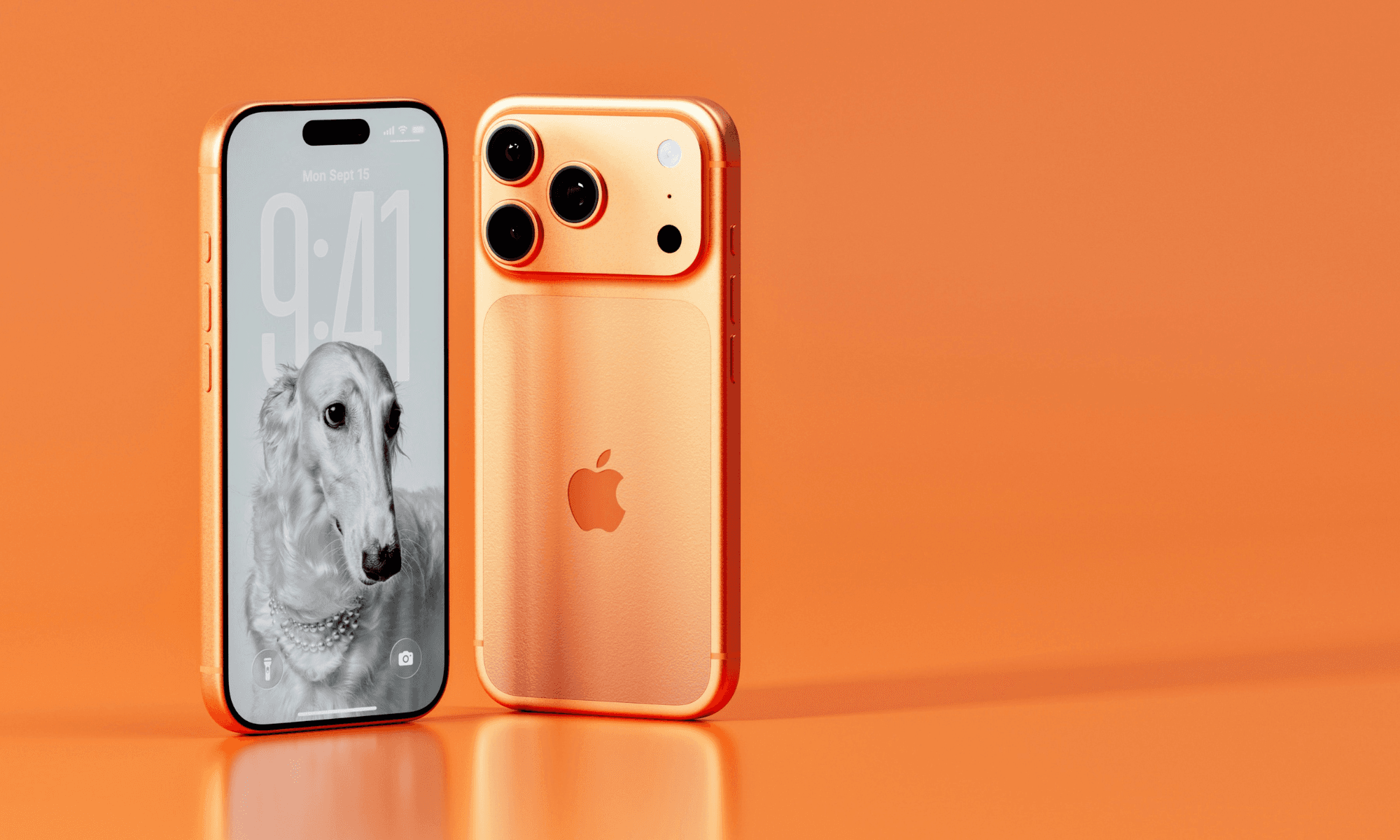
Apple has just unveiled the iPhone 17, and as always, the buzz is impossible to ignore. With promises of cutting-edge features, sleek design upgrades, and even more AI integration, it’s tempting to rush out and buy the latest iPhone. But before you make the leap, there are a few things worth considering.
If you’re wondering when to buy the iPhone 17, which model you should get, or what’s actually new, this guide answers the questions that matter - before you spend your money.
Here’s what’s actually new on the iPhone 17:
120Hz ProMotion display on all models
New A19 chip with better performance and efficiency
Significantly improved battery life
Faster wired and MagSafe charging
Camera upgrades across the lineup, not just Pro
New colours: Lavender, Sage, and Cosmic Orange
iOS 26 out of the box
This year’s theme is Pro features becoming standard, which changes the buying decision more than usual.
Yes, but whether it’s worth upgrading depends on what you’re coming from.
Compared to the iPhone 16, the iPhone 17 offers:
A more durable Ceramic Shield
Noticeably smoother performance thanks to 120Hz displays
Up to 8 more hours of battery life
Much faster wired charging
If you’re upgrading from an iPhone 13 or earlier, the jump will feel substantial. If you already own an iPhone 16, the difference is still noticeable but not essential unless battery life or display smoothness matters to you.
Timing is crucial when buying a new phone, especially if you’re looking to get your hands on Apple’s latest offering. Here’s when we recommend getting the iPhone 17:
At launch: Best if you want the newest features immediately
3–4 months after launch: Small discounts begin appearing
After the next iPhone announcement: Depreciation is highest in the first year after being released in the market, so you’ll save the most money if you wait till a year after its launch.
If you’re upgrading from an iPhone 13 or older, and need better battery life or performance now, buying early makes sense. But if you’re not in a rush, waiting at least a few months can save money without sacrificing much.
This depends on how you use your phone.
Choose the base iPhone 17 if:
You want the best balance of price and features
You don’t shoot professional-grade video
You value battery life, smooth display, and camera quality
Choose the iPhone 17 Pro or Pro Max if:
You shoot a lot of video or photos
You game heavily or edit video on your phone
You want the absolute best camera system Apple offers
For most people, the base iPhone 17 is the smartest buy this year - a shift from previous generations.
The 120Hz ProMotion display on the iPhone 17 is one of the most noticeable upgrades. Scrolling feels smoother, animations are more fluid, and gaming responsiveness improves significantly.
Brightness has also increased to 3,000 nits outdoors, making the phone a lot more easier to use in direct sunlight.
Screen size is up from 6.1 inches on the iPhone 16 to 6.3 inches. But, slimmer bezels on the iPhone 17 makes the phone feel less bulky, even with the increased display size.
There have been decent improvements in battery life and charging across the iPhone 17 lineup. These include:
Up to 30 hours of video playback on iPhone 17
Up to 37 hours on Pro models
50% wired charge in just 20 minutes
Faster MagSafe charging across all models
The new A19 chip improves both speed and efficiency. Everyday tasks feel instant, and demanding workloads like gaming or video editing benefit from:
A stronger GPU
A new vapour chamber to prevent overheating
Less performance throttling under heavy use
For power users, this is one of the strongest iPhone performance jumps in recent years.
For filmmakers and content creators, certainly as the Pro models support:
4K Dolby Vision recording
ProRes RAW
GenLock for multi-camera setups
Advanced heat dissipation for long recording sessions
But, if you normally use your iPhone camera to take a photo here and there and never touched the shutter speed settings, you might not need the advanced video features of the Pro models as the base iPhone 17 still offers good value. The base model already comes with an improved ultra-wide camera lens and a better front camera. On top of that, the Dual Video Capture feature allows you to record videos with both rear and front camera simultaneously, perfect for concerts or sports matches and everyday use in general.
The iPhone Air is defined almost entirely by its thinness. While visually impressive, it offers fewer practical advantages compared to the base iPhone 17. Unless design is your top priority, the standard iPhone 17 delivers better overall value for less money.
Apple isn’t done with the physical SIM-card just yet. The iPhone 17 is shipped with a SIM-card slot in most countries, with the exception of a few e-SIM only regions, namely, Bahrain, Canada, Guam, Japan, Kuwait, Mexico, Oman, Qatar, Saudi Arabia, the United Arab Emirates, the United States, and the US Virgin Islands. The iPhone Air, on the other hand, has an e-SIM only design.
The iPhone 17 series is undeniably impressive, especially since premium features are no longer locked behind Pro pricing. But buying a new phone is not just about the latest specs or aesthetics. You really have to ask the right questions to know when it’s the best time for you to upgrade, and which model to go for. We always recommend buying refurbished as it’ll save you a lot of money on a device that’s just as good as an unboxed one; plus it’s kinder to the earth.
Once you have decided to buy an iPhone in 2026, you should check out how long it will be supported for. And while you do that, don’t let your old phone gather dust. Consider trading it in, donating it, or recycling it responsibly. Every device kept out of the landfill makes a difference.
iOS 27 is here! Check out key features and whether your iPhone is compatible.

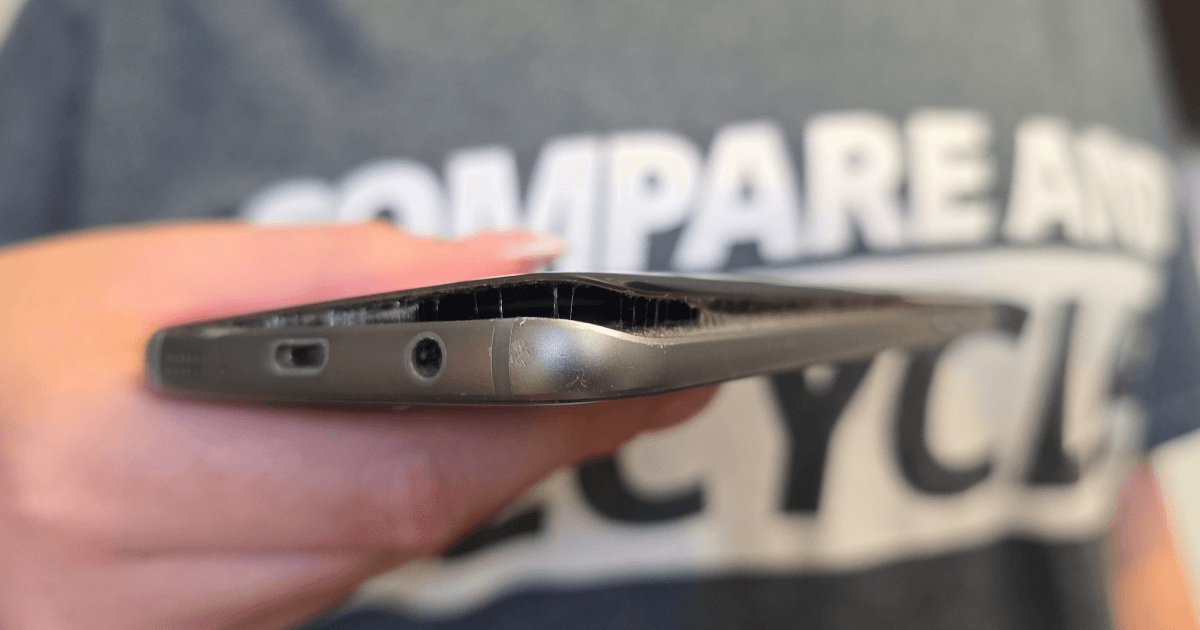
Storing old phones isn’t as harmless as it seems. Here’s why it’s worth digging out your old phone to avoid a hazardous situation.

In this first part of our Holiday Mode On series, we’ll cover essential accessories you need to pack to protect your phone from mishaps when on holiday.