0330 123 4609
Menu
Debating whether to upgrade? Here are the telltale signs to help you decide if you're due an upgrade.

Written by Sneha Kashyap, Content and PR Executive | Conscious Consumption and Tech Trends
Last updated on 12 August 2026
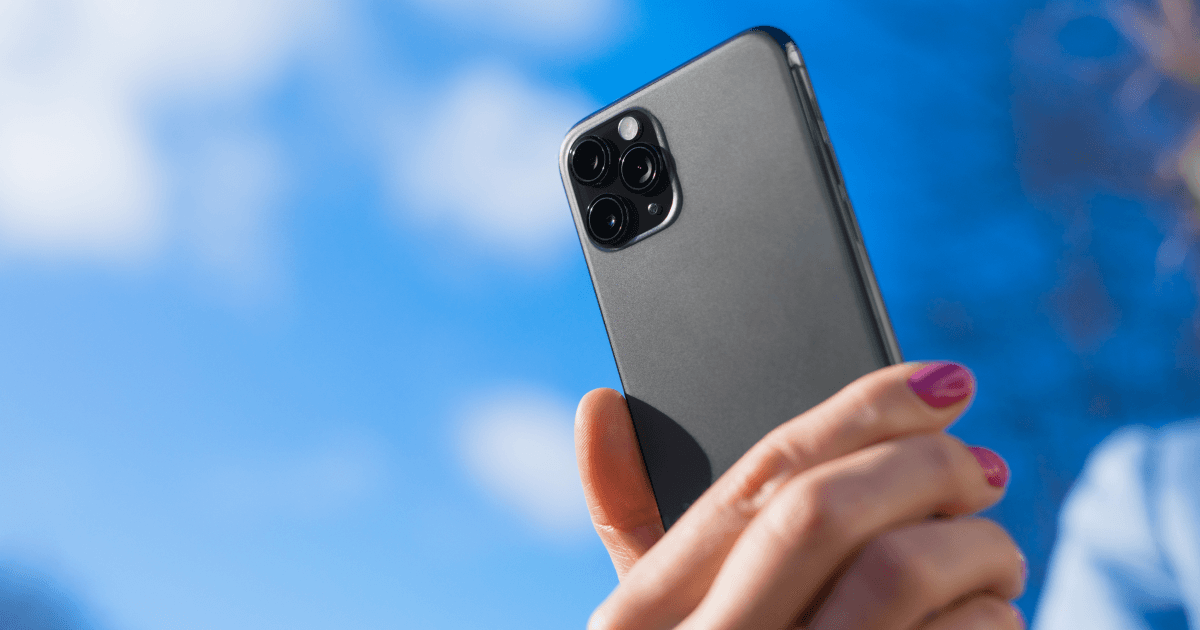
The best time to upgrade your phone is when your current device no longer meets your needs. Whether your battery barely lasts until lunchtime, you've stopped receiving important security updates, or your phone has become frustratingly slow, there are several clear signs that it may be time for a replacement.
Before making that decision, it's also worth considering what your current handset is worth. Trade-in and recycling prices can vary significantly between buyers, so comparing offers before you upgrade could leave you with more money towards your next phone.
There is no fixed rule on how often you should upgrade your phone, although the average lifespan is currently at 4.1 years according to our recent study. Instead of focusing on age alone, ask yourself a few simple questions:
Is my phone still receiving software and security updates?
Does the battery comfortably last a full day?
Is it fast enough for everyday tasks?
Would repairing it cost more than it's worth?
Am I constantly running out of storage?
Does it still support the apps and features I rely on?
If you've answered "no" to several of these questions, your phone may be due for an upgrade.
Find the Best Price for Your Old Phone
Before you upgrade, compare offers from leading UK phone buyers and make sure you don't sell your device for less than it's worth.
Not every issue means you need a new device immediately. Some problems are easily fixed, while others suggest your phone has reached the end of its useful life.
Here are the biggest warning signs to look out for:
This is arguably the most important sign that it's time to upgrade.
Most Android and Apple phones receive software and security updates around 5 to 7 years. Past this point, your phone may still continue to work but your data will be at risk. You could face a host of issues like security threats, malware attacks, app compatibility issues, online banking restrictions, and general performance lag.
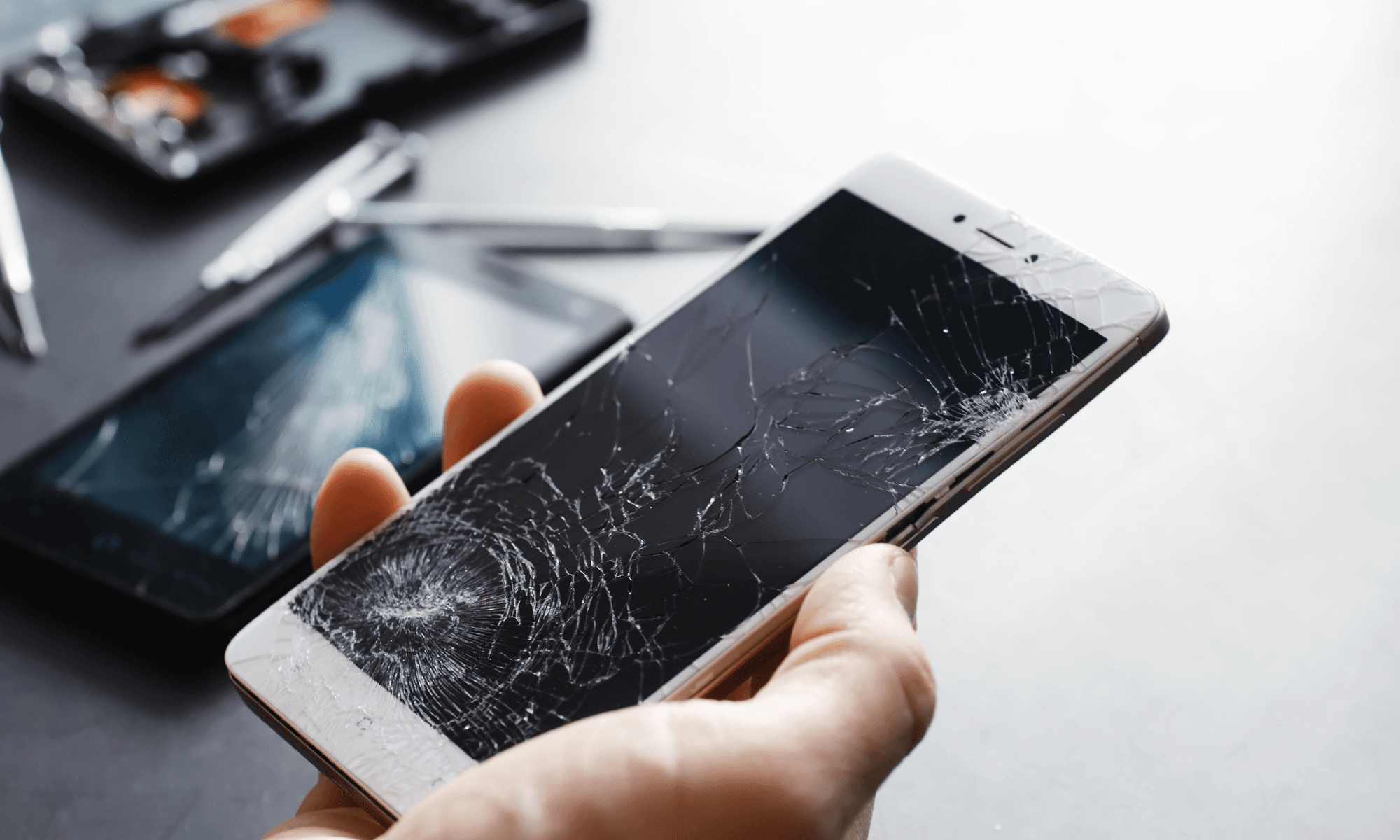
A cracked screen or worn-out charging port doesn't automatically mean you need a new phone. In many cases, repairing your device can be the cheaper option, especially if it's still receiving software updates and performs well. However, replacement often becomes the better choice if:
The screen, battery and camera all need replacing
The phone has suffered significant water damage
Internal components have failed
Repair costs approach the value of buying a refurbished replacement
As a general rule, if major repairs cost a large proportion of what a newer refurbished phone would cost, upgrading is usually the smarter long-term investment. But, a broken phone can still be sold, so make sure you check out how much yours is worth before disposing of it.
If you’re constantly seeing the “Storage Almost Full” notification despite deleting apps and files, you might be due for an upgrade. Just remember to back up your data and perform a factory reset before selling. Clearing cache, uploading to cloud, using an external drive or a microSD card are some easy fixes you could implement in the meantime.
If battery life is compelling you to upgrade your phone, you need to look at why it has declined. Lithium-ion batteries naturally lose capacity over time so it's normal for your phone to hold less charge than it did when it was new. But, if the battery doesn’t last till the end of the day, needs charging multiple times daily, randomly shuts down, gets unusually hot while charging, or charges much more slowly than before, it could simply need a new battery rather than a completely new phone.
Phones naturally slow down over time, but they shouldn't make everyday tasks frustrating. If your phone regularly takes ages to open apps, freezes or crashes, struggles with multitasking, lags when typing, restarts unexpectedly, it could be reaching the end of its usable lifespan.
Before replacing it, try restarting your phone, installing the latest software updates, removing unused apps, freeing up storage. If performance is still poor afterwards, a new phone might simply be the answer to your problems.
Some faults are relatively inexpensive to repair. Others signal that your phone may no longer be worth fixing. Examples include:
Water damage
Faulty charging ports
Broken cameras
Non-responsive buttons
Microphone or speaker failure
Display issues that affect usability
If multiple components have failed or the phone has suffered severe liquid damage, replacing it is often the more practical solution. But even if your handset no longer works properly, don't assume it's worthless. Many recyclers buy damaged devices for refurbishment or spare parts.
Consider the following before you decide:-
If the battery is poor but everything else works well, replace the battery.
If the battery is poor and the phone is slow, consider upgrading.
If the battery is poor and software support has ended, upgrade your phone.
If the battery is poor and repair costs are high, buy refurbished.
Replacing the battery can often add another year or two to your phone's life, making it a most cost-effective solution. However, if battery issues are just one of several problems, investing in a newer handset is usually the better long-term decision.
Ready to Upgrade? Don't Miss Out on Your Phone's Value
The older your phone gets, the more its trade-in value is likely to decline. Compare offers from trusted UK phone buyers before you upgrade.
People often assume that an old phone isn't worth very much when in reality, some models can fetch a small fortune, especially if they’re vintage or recent flagship models.
Your phone's value depends on several factors, including:
Age: Newer devices generally command higher prices.
Condition: Cracks, dents and heavy wear reduce resale value.
Storage capacity: Higher-storage models are often worth more.
Battery health: Better battery performance can increase buyer interest.
Network status: Unlocked phones typically appeal to more buyers.
Demand: Popular models often retain their value for longer.
One important point to remember is that trade-in values usually decrease over time. If you're already planning to upgrade in the next few months, comparing prices sooner rather than later could help you secure a better offer.
Not all recyclers pay the same amount for the same phone. That's why it's worth comparing offers before accepting the first price you see. When comparing buyers, consider more than just the headline price. Look at:
The amount offered for your exact model.
Whether the buyer accepts damaged phones.
Free postage or courier collection.
Payment methods and timescales.
Customer reviews and ratings.
Spending a few extra minutes comparing buyers could result in a significantly higher payout, helping reduce the cost of your next phone.
Compare Phone Trade-In Prices
Don't settle for the first offer. Compare prices from trusted UK buyers and maximise the value of your old phone before upgrading.
Buying the latest flagship phone isn't the only way to upgrade. There are several ways you can cut back on the cost of upgrading:
Compare trade-in prices before selling your current phone.
Buy a refurbished phone, which can offer excellent value while reducing electronic waste.
Choose a SIM-only plan if your current contract has ended.
Shop around major sales events, such as Black Friday or seasonal promotions.
Consider last year's flagship model, which often offers premium performance at a much lower price.
By combining a competitive trade-in price with a refurbished device, you can upgrade for significantly less than buying the latest handset brand new.
If you're still unsure whether it's time to replace your smartphone, these frequently asked questions should help you make an informed decision.
Yes, although your options depend on your mobile network. Some providers allow you to upgrade a few months before your contract expires, while others may require you to pay an early upgrade fee or settle the remaining balance on your device. Before agreeing to an early upgrade, compare the total cost with switching provider or buying your next phone outright.
Absolutely! Once you've fulfilled the terms of your current contract, you're free to move to another provider if you find a better deal. Shopping around can often save money, particularly if you combine a competitive SIM-only plan with a refurbished or discounted handset.
An upgrade usually means replacing your current phone with a newer model, either through your existing provider or by switching networks. A SIM-only plan, on the other hand, lets you keep your existing phone while paying only for your calls, texts and data. If your current phone still performs well, moving to a SIM-only contract can significantly reduce your monthly costs.
Don't Let Your Old Phone Lose Value
Ready to upgrade? Compare offers from trusted UK phone recyclers and trade-in companies to get the best price for your old handset.
✔ Free comparison
✔ Multiple trusted buyers
✔ Fast payment
There's no universal answer to when you should upgrade your phone. The right time depends on how well your current device performs, whether it still receives software updates, and if it still meets your everyday needs.
If your phone has become slow, the battery no longer lasts, repairs are becoming expensive or software support has ended, upgrading is often the smartest option. On the other hand, if a simple battery replacement or repair will keep it running for another year or two, you could save money while reducing electronic waste.
Whenever you decide the time is right, don't overlook the value of your current handset. Comparing trade-in and recycling prices before upgrading can help you maximise its resale value and reduce the cost of your next phone.
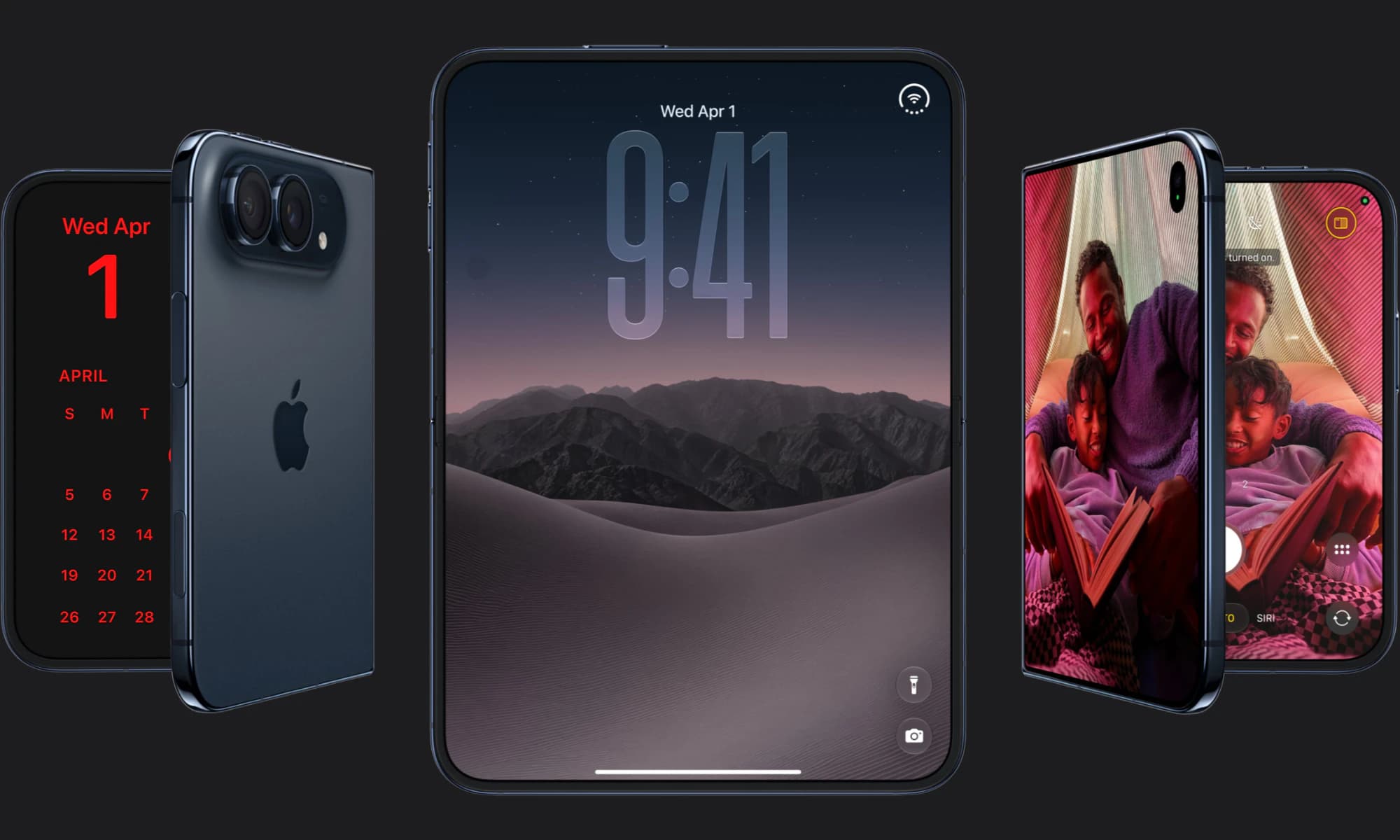
Apple has finally joined the foldable party after seven years, but was it right to wait?

iOS 27 is here! Check out key features and whether your iPhone is compatible.

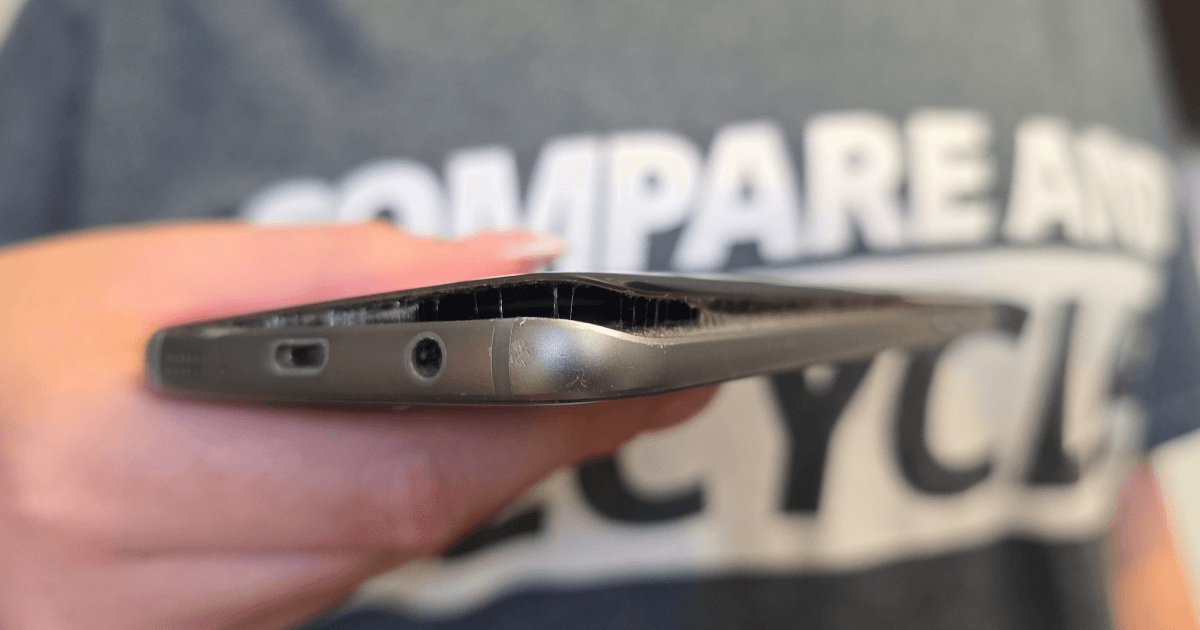
Storing old phones isn’t as harmless as it seems. Here’s why it’s worth digging out your old phone to avoid a hazardous situation.