0330 123 4609
Menu
We debunk six common misconceptions about refurbished phones.

Written by Sneha Kashyap, Content and PR Executive | Conscious Consumption and Tech Trends
Last updated on 20 March 2026

Smartphones are getting more expensive, and with fewer innovations each year, many buyers are wondering if it’s worth paying the full price anymore. That’s why more people are considering refurbished phones, but misconceptions still hold some of them back.
If you’ve ever wondered whether refurbished phones are safe, if they work well, or why they’re so cheap, you’re not alone.
We’re here to bust the 6 most common myths about refurbished phones, so you can make a smart, sustainable, and money-saving choice with confidence.
A refurbished phone is a pre-owned smartphone that has been returned, inspected, repaired if necessary, and restored to full working order before being sold again. When people ask what refurbished means when it comes to phones, it's simply refers to a device that has gone through a professional refurbishment process to ensure it functions as it should.
A refurbished smartphone typically goes through several quality-control steps, including:
✅ Full functional testing to check the screen, battery, camera, buttons, and connectivity
✅ Secure data wiping so the previous owner's information is completely removed
✅ Replacement of faulty parts such as batteries, screens, or internal components
✅ Professional cleaning and cosmetic grading (for example: Pristine, Very Good, or Good)
✅ Resale with a warranty and return policy for added buyer protection
Unlike buying a used phone from a private seller, a professionally refurbished phone has been tested and verified by technicians, so you know exactly what condition and performance to expect.
For many buyers, choosing a refurbished phone is a smart way to get the same features as a new device at a lower price. It also helps reduce electronic waste and carbon emissions by extending the life of existing smartphones.
Many regard refurbished phones as being unsafe in comparison to new phones which is a false belief. As long as the model is supported, a refurbished phone will receive software and security updates, just like a new one.
According to Apple, your iPhone will be supported for at least five years since its release date. Updates for Android phones vary by manufacturer, although models are typically supported around three to five years. Both Google and Samsung now offer seven years of updates on their latest flagships.
Whenever you buy a phone, whether it’s new or refurbished, it’s important to be aware of how long it will be supported so you can upgrade before it becomes obsolete and avoid data breaches.
It’s easy to confuse “used” with “refurbished,” but there’s a big difference:
✅ Quality
Refurbished phone: Sold by a reseller, retailer, or manufacturer, which means the phone will be graded, professionally repaired if needed, and tested to ensure it is in fully working condition and data-wiped.
Used phone: Sold by its previous owner, which doesn’t guarantee complete functionality, and it might come with faults, network or activation lock.
✅ Warranty
Refurbished phone: Comes with at least 12-month warranty offering a peace of mind that it can be repaired, in case it develops a functionality fault over time.
Used phone: Likely to have an expired warranty which can’t be renewed when the phone changes hands between owners.
✅ After Sale Support
Refurbished phone: Offers return policies, customer support, and full refunds in case you’re not happy with your purchase as well as proof of purchase.
Used phone: Buying on a peer-to-peer marketplace is an unregulated transaction and can be a hit and miss with no contact, refund, or support after the purchase.
Performance is a common concern among buyers, but multiple tests show that refurbished phones perform just as well as new ones. Battery health of refurbished phones is at least at 80% of its original capacity, and models go through extensive checks and necessary replacements before being put on the market.As we mentioned previously, refurbished phones have return policies provided by the retailer which helps if you’re not happy with the phone received and gives you the option to return or exchange it.
Another belief surrounding refurbished phones is that the phone sold is not an original unit and could have been stolen. This is not true - these devices are genuine Apple or Android models that have been legally purchased from their previous owner, an insurance company or retailer.
Upon the purchase, IMEI numbers of these units are checked against the blacklist database to ensure they haven’t been reported as lost or stolen, because this will render the device unusable. If a phone needs a refurbishment of some level, genuine parts are used to ensure compatibility and functionality.
The most important thing when buying refurbished is to choose a reputable retailer with good customer reviews and a clear returns policy.
Quality can vary, but only in cosmetic condition, not in performance. Refurbished phones are graded depending on their cosmetic condition in order to indicate the physical appearance of the phone. When buying a refurbished phone, paying attention to the listed condition is important, because it determines what the buyer will expect when the phone arrives.
Refurbished phone retailers recommended by Compare and Recycle grade refurbished phones from Pristine (almost like new) to Average (with noticeable wear and tear) in order to manage buyer expectations. Prices on refurbished phones will vary depending on the condition of the phone, so you can choose to go for a lower grade to save more.
Refurbished phones are sold at much lower prices than brand new phones. This is because of lower production costs as they don’t need to be manufactured from scratch, rather than due to lower quality.
This also means that choosing a refurbished phone over a brand new smartphone saves 77.59kg of carbon dioxide.
With Compare and Recycle, you can save 20%-50% when buying refurbished - that’s up to £200 off for a phone that works just as well as a new one.
Refurbished phones are a smart choice, not just for your wallet, but for the planet too. Choosing refurbished means you’ll get a fully functional phone with the same specs, warranty and customer support (with reputable sellers), and a smaller carbon footprint.
Once you’ve upgraded, don’t forget to sell your old phone to get even more value and keep tech in circulation.
iOS 27 is here! Check out key features and whether your iPhone is compatible.

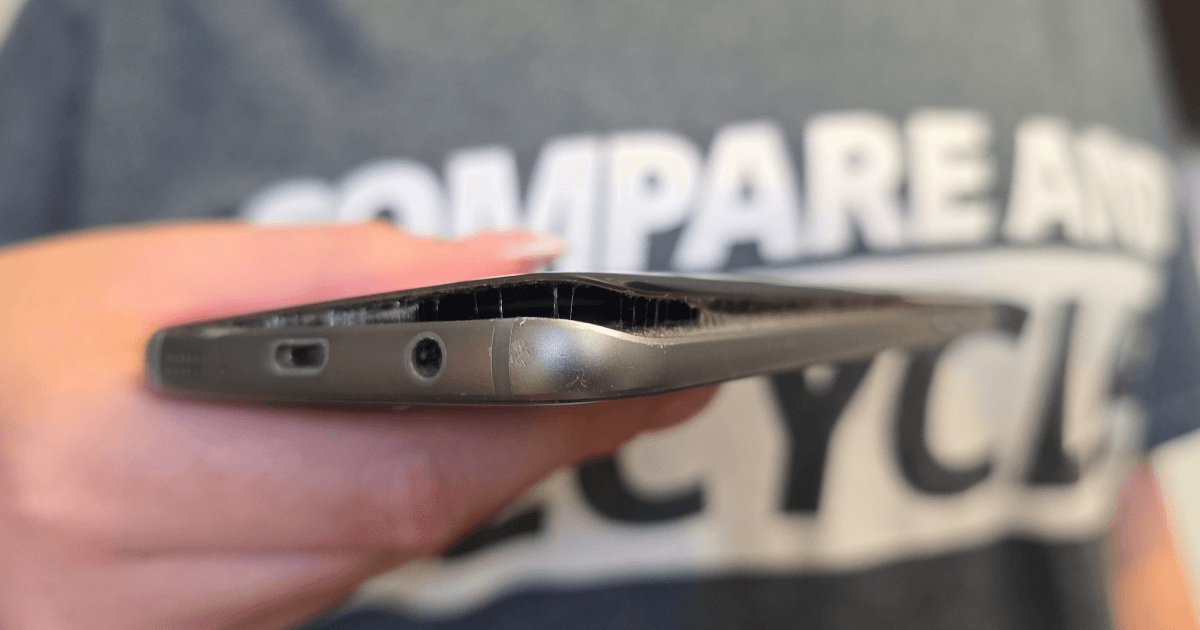
Storing old phones isn’t as harmless as it seems. Here’s why it’s worth digging out your old phone to avoid a hazardous situation.

In this first part of our Holiday Mode On series, we’ll cover essential accessories you need to pack to protect your phone from mishaps when on holiday.