0330 123 4609
Menu
Find out which iPhones will get iOS 27 and which models will no longer be supported in 2027.

Written by Antonia, Head of Marketing | Consumer Electronics and Money-Saving
Last updated on 6 August 2026
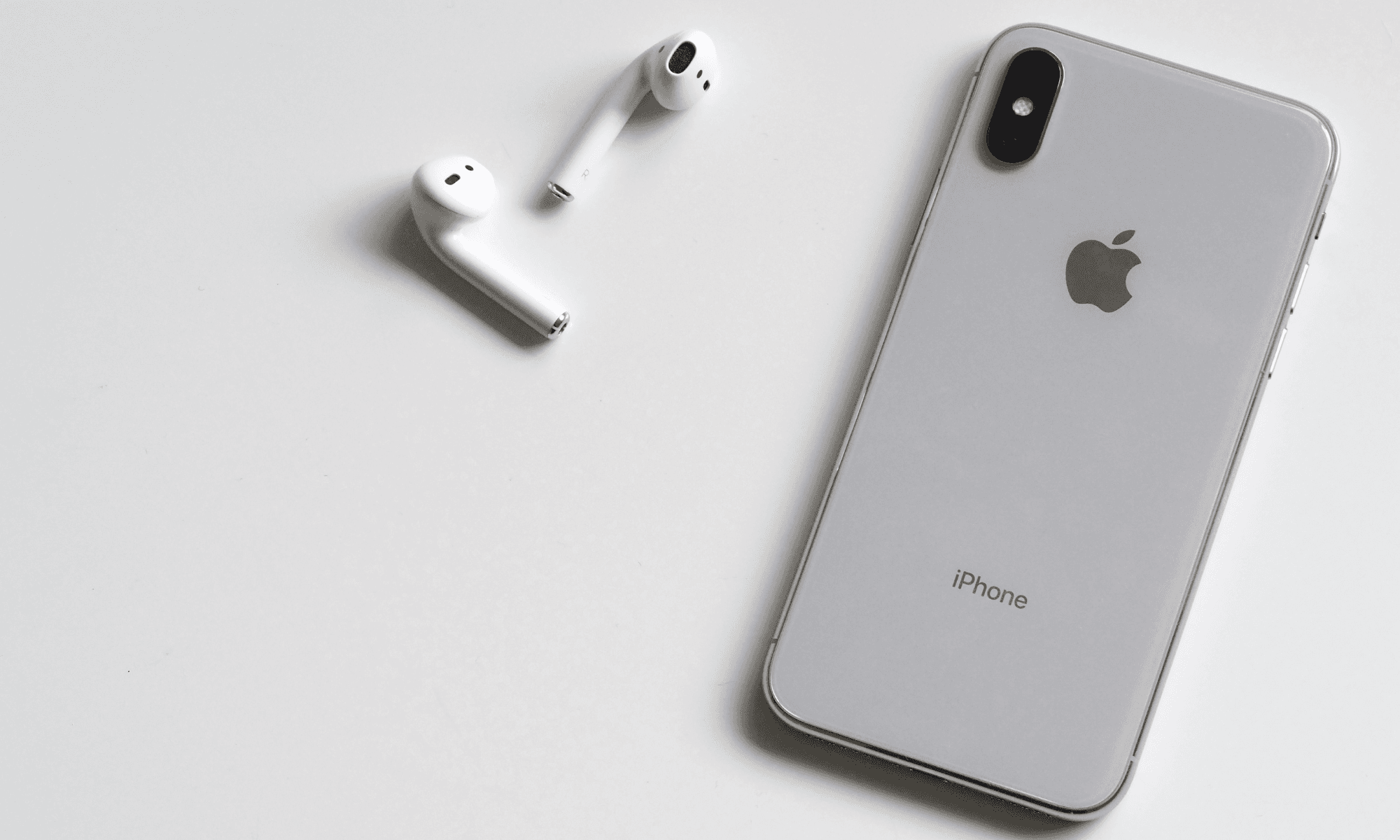
Every new iPhone release means that there will be at least one older iPhone model that Apple no longer supports. With iOS 27 due to be released in September 2026, many iPhone users are probably wondering, how long will my iPhone be supported? Staying in the loop about the iPhone support cycle is crucial, as it directly impacts your device’s security, performance, and, of course, access to new features. In this guide, we’ll explore the support timeline for iPhones currently in circulation and discuss which models will no longer be supported in 2027.
Starting from the iPhone 15 lineup, Apple documented the support period which is “minimum 5 years from the first supply date”, according to this UK PSTI compliance statement.
Apple is pretty good at supporting their iPhones for the long haul and we’ll give credit where credit is due! Even prior to the requirement to comply with the UK PSTI, Apple has supported iPhones older than the iPhone 15 series for 5 years of software updates and 7 years of security updates. So there you have it, Apple supports iPhones with iOS software updates and security patches for about 5 to 7 years after the iPhone model becomes available.
This being said, after much speculation, it has been announced that the iPhone 11 will receive the iOS 27 update which is a shock seen as this device was released way back in 2019. It means that it will continue to gain software support until 2027, a big win for iPhone 11 users. Although the iPhone 11 will receive the latest iOS 27, this doesn’t include features like Apple Intelligence which will remain exclusive to the newer iPhones.
Official documentation aside, what this means is that even if you're rocking an older iPhone, Apple will still provide you with iOS updates, bug fixes, and security updates for at least 5 years. So, luckily you’re not left in the dust as soon as the latest model launches meaning you can enjoy the Apple ecosystem for years until it’s time to think about an upgrade.
We’ve compiled a list of all the iPhones currently in circulation and whether or not they will get iOS 27. Good news - iPhone 11 series released in 2019 will receive iOS 27 update! Take a look below to see whether you need to start thinking about buying your next iPhone or if you still have a few more years left before you need to sell your iPhone in preparation for an upgrade.
| iPhone Model | Release Date | iOS Version | Supported Until |
|---|---|---|---|
| iPhone 17e | 2026 | 26 | 2033 |
| iPhone 17, Pro and Pro Max | 2025 | 26 | 2032 |
| iPhone Air | 2025 | 26 | 2032 |
| iPhone 16e | 2025 | 18 | 2031 |
| iPhone 16, Plus, Pro and Pro Max | 2024 | 18 | 2031 |
| iPhone 15, Plus, Pro and Pro Max | 2023 | 17 | 2030 |
| iPhone 14, Plus, Pro and Pro Max | 2022 | 16 | 2029 |
| iPhone SE 3 | 2022 | 15.4 | 2029 |
| iPhone 13 series (Pro, Pro Max and Mini) | 2021 | 15 | 2028 |
| iPhone 12 series (Pro, Pro Max and Mini) | 2020 | 14 | 2027 |
| iPhone SE 2 | 2020 | 13.4 | 2027 |
| iPhone 11, Pro and Pro Max | 2019 | 13 | 2027 |
iPhones older than and including, the X, XR and XS Max are no longer supported and therefore do not receive software and security updates. Of course they are still functional, meaning you can make calls, send texts and connect to Wi-Fi however you will not be able to run the newest iOS, in this case iOS 27.
To find out if your iPhone still receives the latest updates, head to Settings → General → Software Update. Here, you’ll see if your device is running the newest iOS version or if an update is available, such as iOS 27. If no new updates appear, your iPhone may no longer be supported. While Apple often continues limited hardware support, knowing how long your iPhone will be supported can help you plan ahead, especially with some older models expected to lose support in 2027.
Using a supported iPhone isn’t just about getting the latest emojis or new wallpapers - it’s about keeping your phone safe, fast, and fully functional.
✅First up is security, Apple regularly rolls out updates that will patch any vulnerabilities and ultimately protect your personal data. Running an outdated iOS version leaves your phone open to potential threats and that’s not worth the risk.
✅Then there’s performance. Each iOS update is designed to optimise how your iPhone performs. These fix any reported bugs, boost speed, and make everything from scrolling to launching apps feel much smoother. If you’ve ever noticed your phone lagging, installing a new update can often be the fix you need.
✅Last but not least, compatibility. Many apps require the latest iOS versions to function properly and some may eventually stop working on older software. Not only apps, but new software and functionality features that Apple releases are compatible with certain iOS versions. So keeping your iPhone updated ensures you won’t miss out on updates that are compatible with your iPhone and your favourite apps working seamlessly.
In March earlier this year, before the announcement of iOS 27, the iPhone 4 and iPhone 5 were officially announced by Apple as obsolete. It’s more than just no longer receiving support or software updates, it means that Apple has discontinued any hardware services globally. So even if you wanted to repair either of these devices yourself, you wouldn’t be able to because Apple and Apple authorised service providers no longer provide genuine parts for these particular iPhones.
In short, using a supported iPhone ensures a smooth, secure, and up-to-date experience. With each iOS update, like the upcoming iOS 27, you gain access to the latest features, privacy improvements, and design tweaks that keep your device feeling fresh. Now you know which iPhones will be supported in 2027, so you can make the right upgrade decisions at the right time.
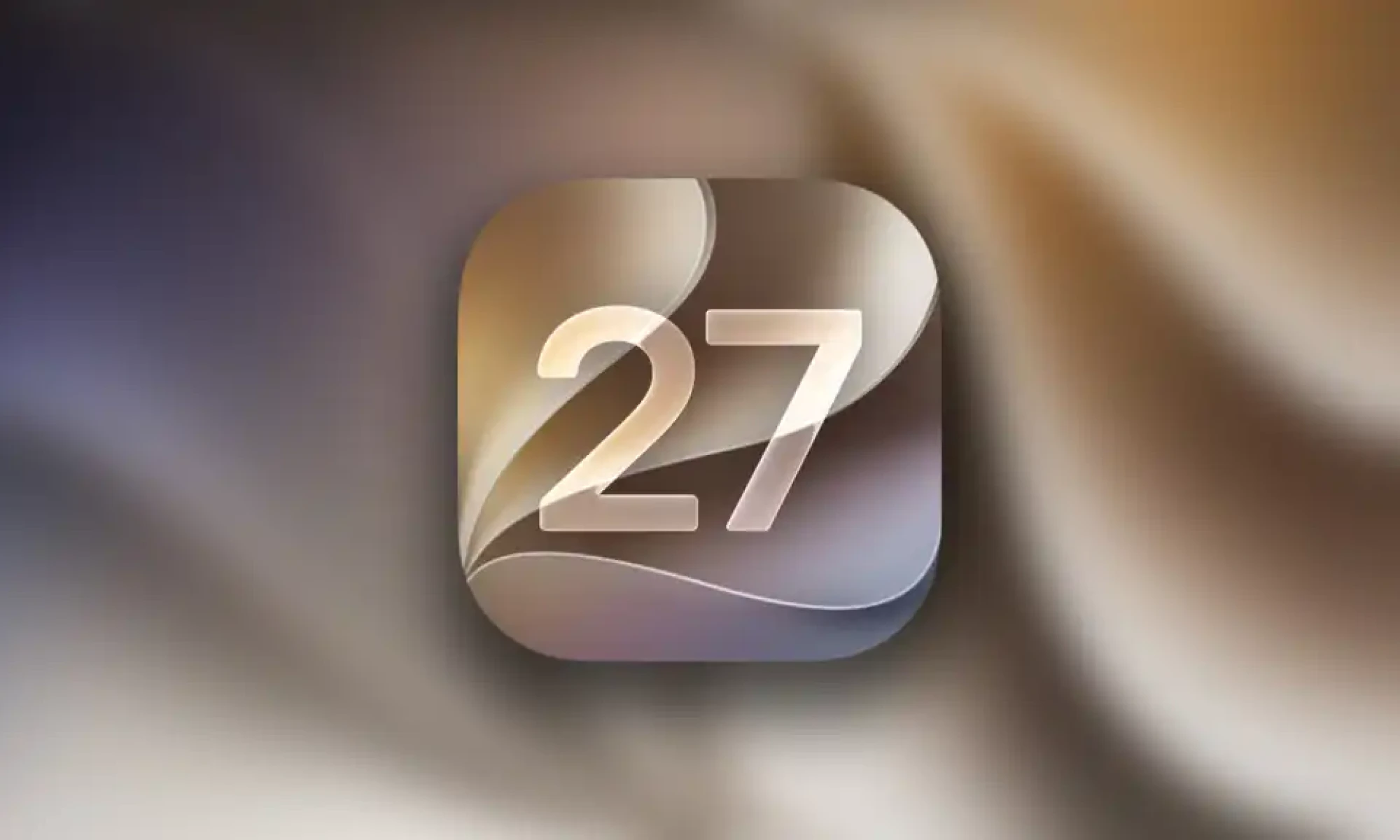
iOS 27 is here! Check out key features and whether your iPhone is compatible.

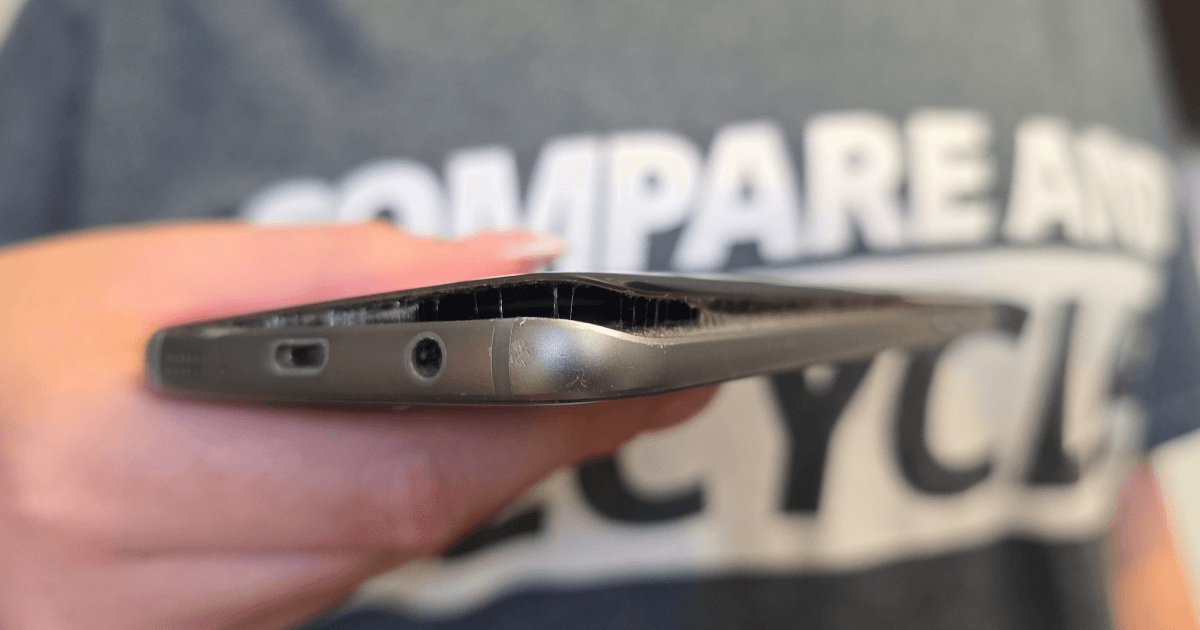
Storing old phones isn’t as harmless as it seems. Here’s why it’s worth digging out your old phone to avoid a hazardous situation.

In this first part of our Holiday Mode On series, we’ll cover essential accessories you need to pack to protect your phone from mishaps when on holiday.