0330 123 4609
Menu
Samsung’s Galaxy S26 Ultra has a Privacy Display built in- but how well does it do its job, and what’s the catch?

Written by Sneha Kashyap, Content and PR Executive | Conscious Consumption and Tech Trends
Last updated on 27 February 2026
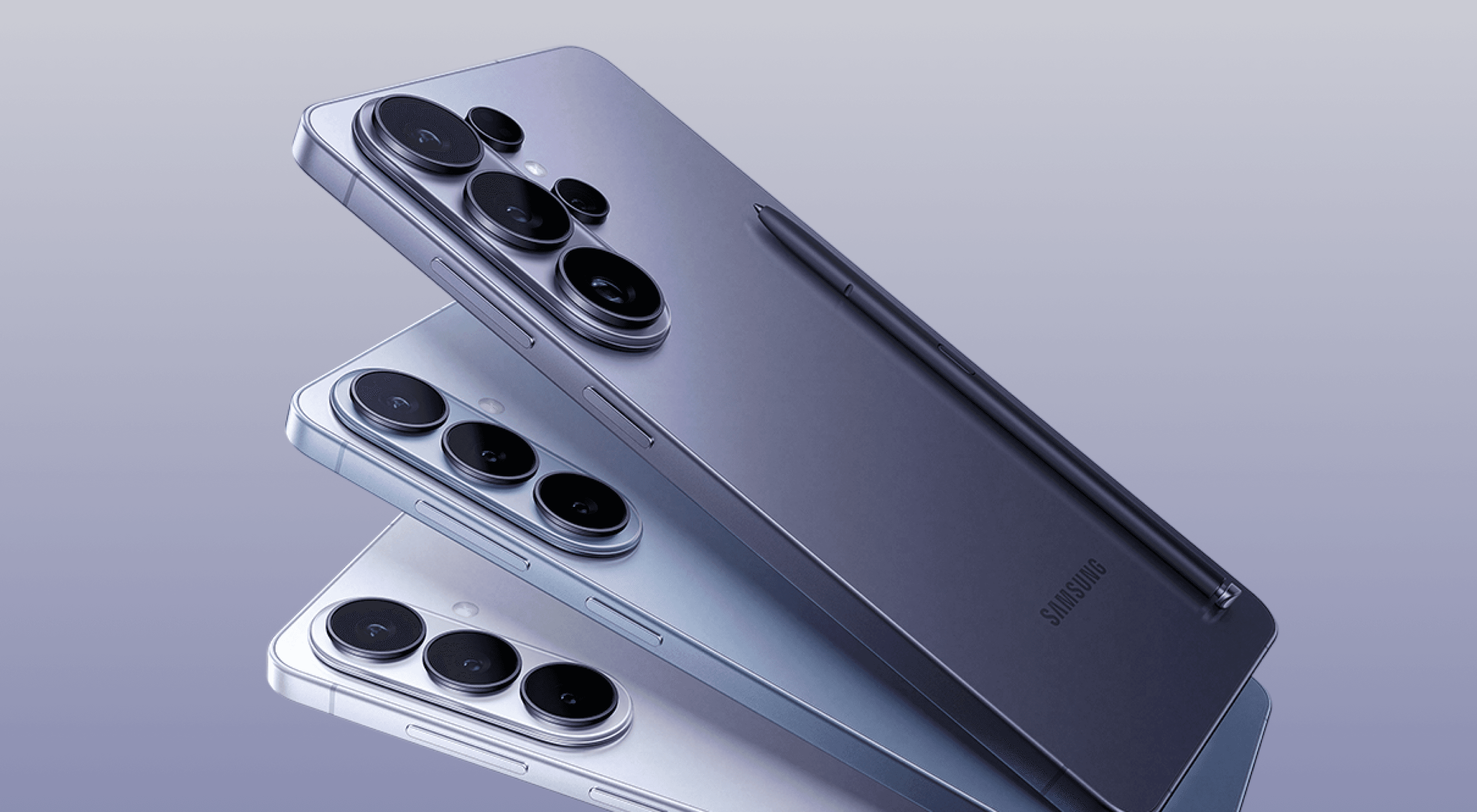
Incremental upgrades have been in fashion for a while now, but with the new Galaxy S26 Ultra, we might just have something different on our hands. Its new Privacy Display essentially determines who your phone screen belongs to and restores ownership. As far as display innovations go, it’s certainly a very Samsung-esque move. But why now, and why the Ultra? Read on to find out more.
Samsung’s S26 Ultra comes with something called the ‘Magic Flex Pixel’ that controls how light is emitted from the screen. Let’s dig into the ‘how’ of this new technology first.
Most smartphone displays flood light outward so anyone nearby can see the content. Samsung’s approach is different. Using what it calls a flexible pixel structure, the display can steer light forward in a tight beam or disperse it more widely.
Imagine the pixels on your screen are laid out like a chessboard. There are wide pixels that send light everywhere, and narrow pixels that only point it towards your face. When the Privacy Display is turned on, only narrow pixels stay lit up, allowing the content to be visible only for the eyes that are in front of them. Metaphorically speaking, a curtain emerges around the screen so anyone next to you is left in the dark and you get a private viewing of what’s on your screen.
Fancy technology doesn’t mean it’s always on automatically. You get to choose when you want to use it and for what. How? Simply tap once on the Privacy Display button on the Quick Settings panel and you have full privacy over your screen. Tap again, and it’ll be visible to those around you. Moreover, additional Display settings are available, where you can customise how and when you want to use it. No, you don’t have to black out your whole screen every time you turn it on. You can choose to have it on when you’re entering passwords, using certain apps like mobile banking, or just for notifications.
You choose, that’s the point. For all the hype around Samsung’s first ‘truly AI phone’ and context-aware automation, Privacy Display restores user autonomy. No AI agent can turn on or off this feature; only you can.
Just like any privacy screen protectors that dull brightness and reduce clarity, you may be wondering if Samsung’s Privacy Display does the same. The short answer - there is a slight compromise, it’s not a deal breaker.
According to 9to5Google's early hands-on demo when you toggle the Privacy Display on, there is an immediate noticeable dip in brightness, and perhaps, a subtle reduction in colour vibrancy. The difference isn’t drastic, but it's there. You might also see the individual pixels a bit more clearly when Privacy Display is on, but it’s not significant enough to matter in most cases.
Ultimately, Privacy Display controls who sees your screen, not what you see on it. If you’re used to traditional privacy panels, you’ll see that Samsung’s solution has relatively minimal distortion.
Going back to our original question on why Samsung has come out with the Privacy Display now and only on the S26 Ultra, timing feels less like a coincidence and more like a response to a growing problem: smartphone theft. High-end devices have never been more valuable, and unfortunately, that makes them prime targets. Be it on trains, cafés, or airports, one glance at someone’s screen can reveal more than you’d like, from banking apps to one-time passcodes.
Protecting sensitive on-screen information won’t stop someone from snatching your phone, but it can reduce opportunistic exposure - the kind that happens in seconds and often goes unnoticed. But limiting this feature to the most premium model on the S26 lineup feels like a strategic move from Samsung. On one hand, it makes sense given the higher retail prices of its direct competitors, especially iPhone 17’s pricing, and longer upgrade cycles - as seen in our 2025 most recycled phones report. On the other hand, when a device sits at the top of the price ladder, expectations go beyond performance and cameras as security enters into the value proposition. In that context, Privacy Display - unlike the bulk of AI features that define the S26 series - feels less experimental and more intentional.
Galaxy Unpacked 2026 brought something potentially altering; hopefully, Apple’s next iPhone won’t stay far behind.
What makes the S26 Ultra interesting is discretion. Given the highly crowded environments we use our phones in day-to-day, a blacked-out screen will certainly draw less attention and protect your most sensitive information. Or perhaps, they’ll be more captivating because of their intrigue. While no new feature can stop phone theft, the privacy is certainly welcome, nonetheless.
Our latest Galaxy depreciation data showed a new trend where the S25 Ultra retained the best value over its first 12 months on the market. Whether the S26 Ultra with its tempting Privacy Display, albeit at a higher price point, will continue the trend, only time will tell, but we expect it to be one of the best-selling models of 2026.
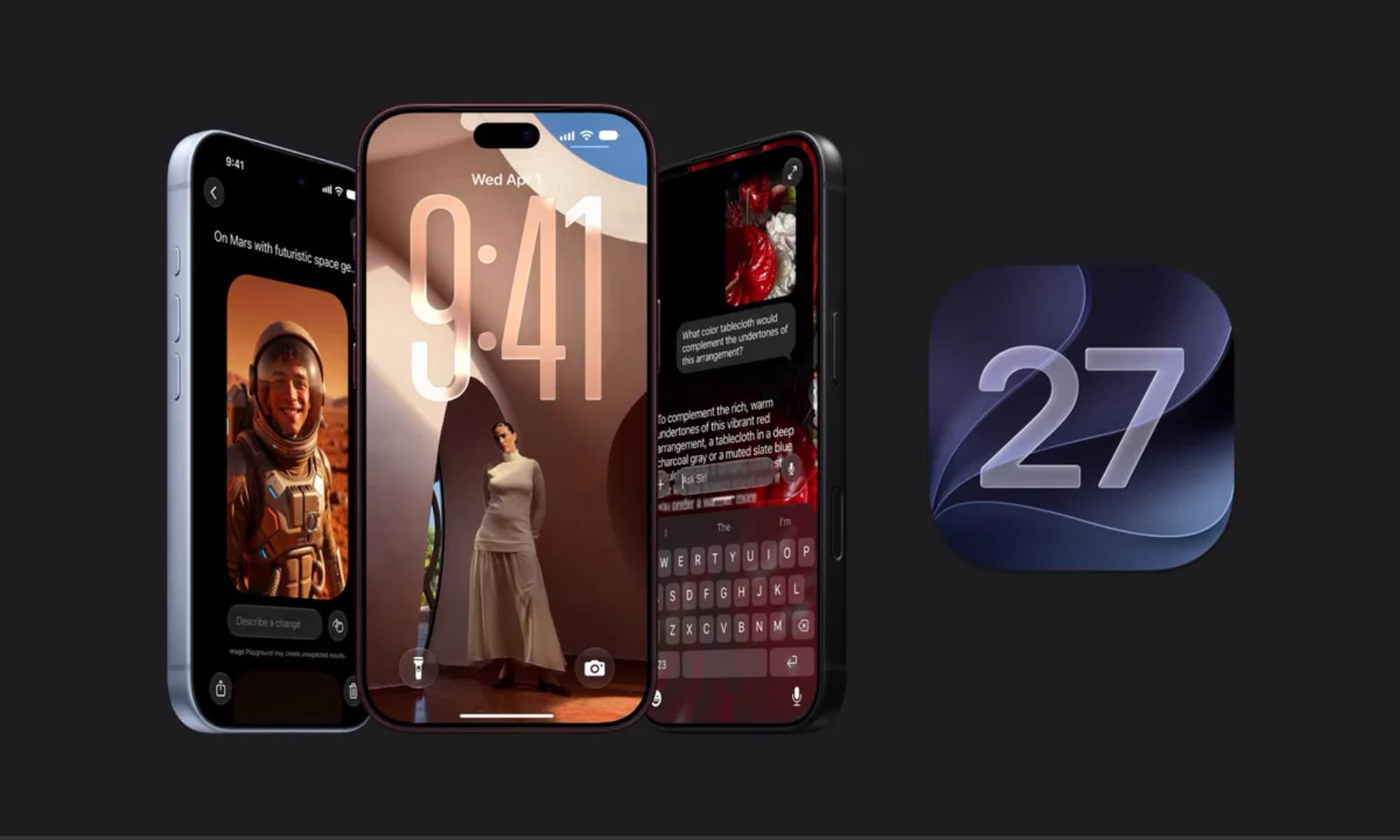
iOS 27 is here with a host of hidden tools, smarter AI, and useful upgrades. Could it change how you use your iPhone?
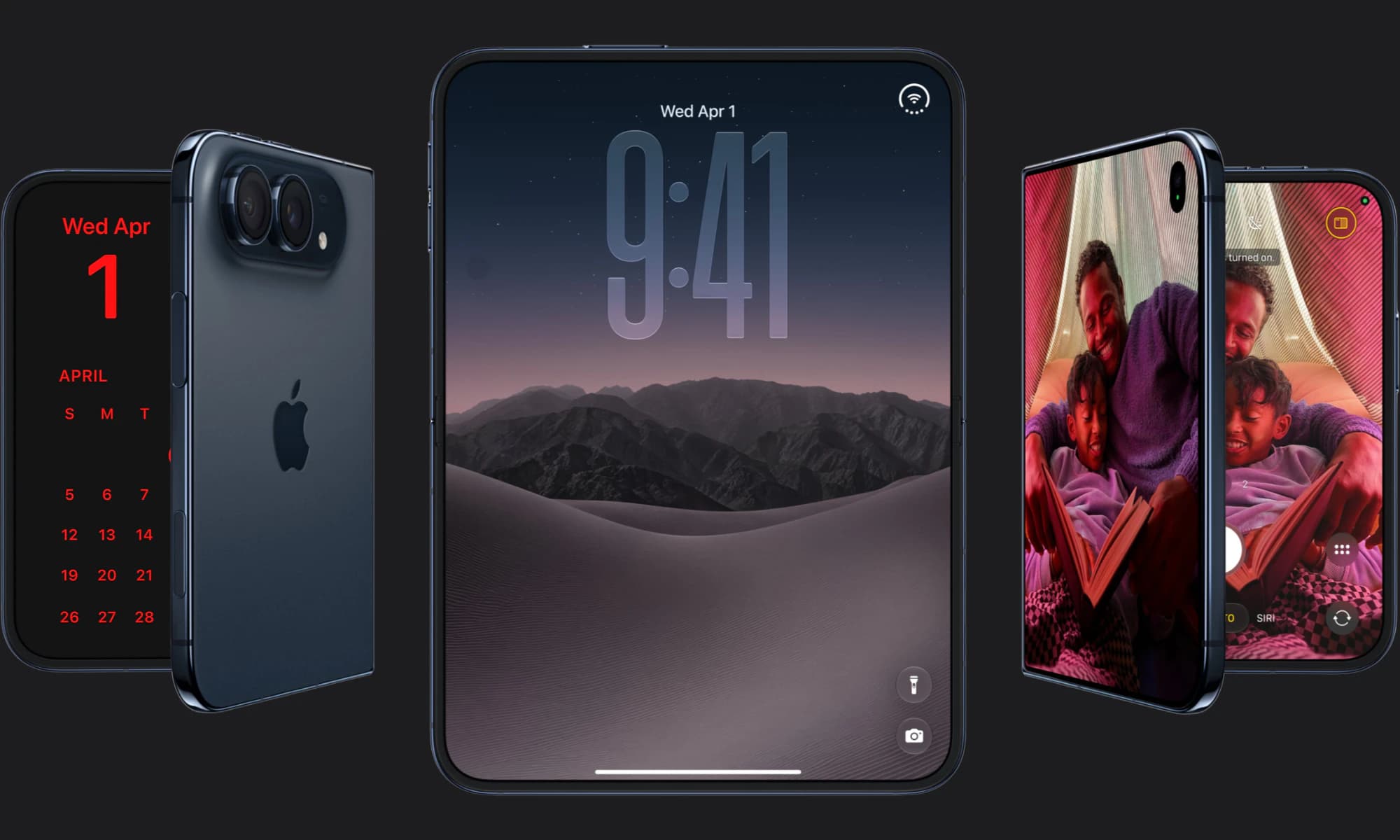
Apple has finally joined the foldable party after seven years, but was it right to wait?
iOS 27 is here! Check out key features and whether your iPhone is compatible.