0330 123 4609
Menu
The iPhone used to define innovation. Now every new model feels the same. Is Apple’s story running out of pages?

Written by Sneha Kashyap, Content and PR Executive | Conscious Consumption and Tech Trends
Last updated on 12 December 2025
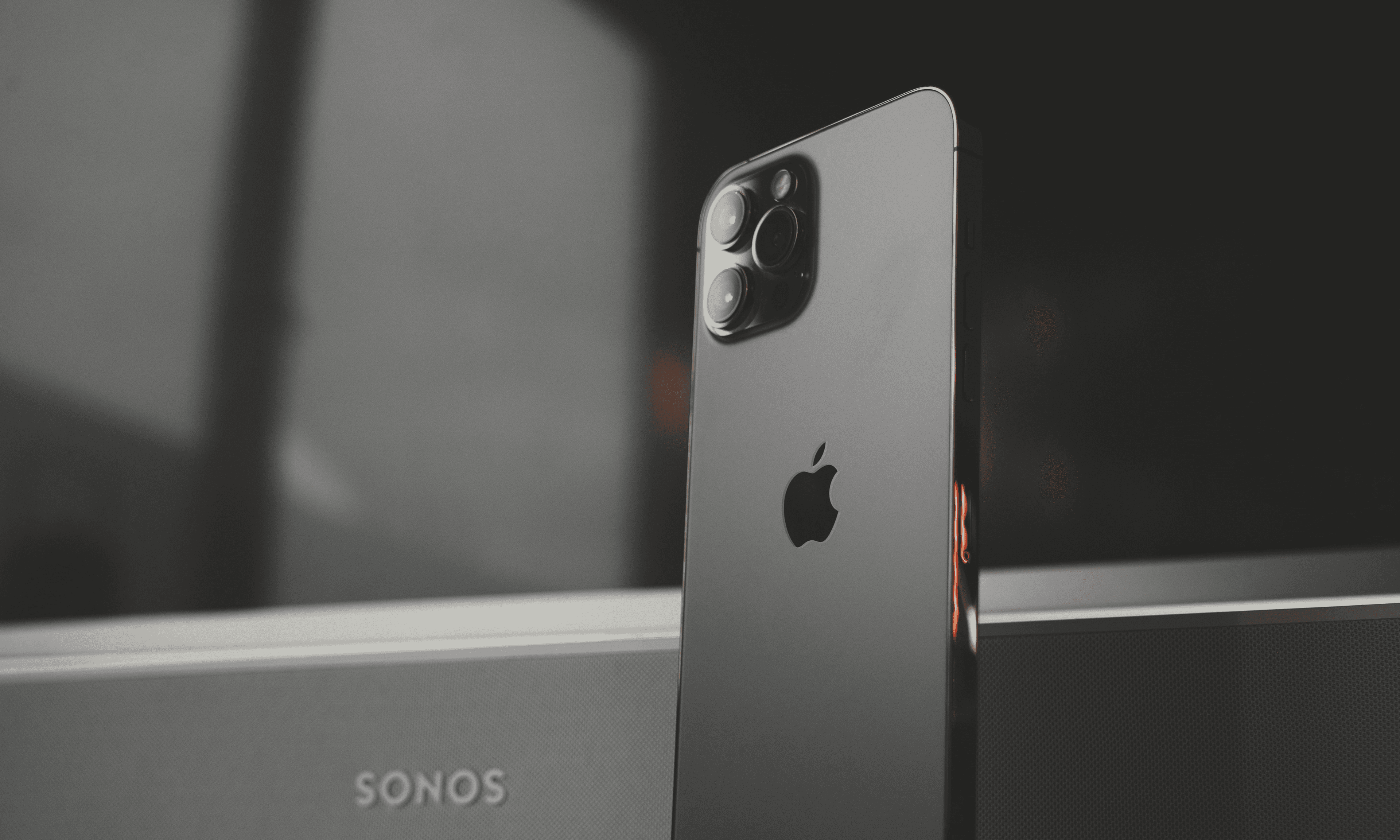
For nearly two decades, Apple’s iPhone has been synonymous with progress. It defined an era of technology, changed how we communicate, and set design standards that reshaped the entire smartphone industry. But today, even the most loyal Apple users are asking the same uncomfortable question: Has the iPhone stopped innovating?
Our own survey data offers a revealing snapshot. Two-thirds of respondents (66%) couldn’t correctly identify iPhone models. 32% said they upgraded only because their phone felt slower. And over two-thirds said they now replace their device every three to five years or more. These stats reflect something deeper than consumer fatigue; they point to a brand whose once-relentless drive to innovate has quietly slowed to a crawl.
Given the stale state of affairs in Cupertino, we take a look at when Apple’s innovation peaked, where it flatlined, and why it matters.
To understand where Apple lost its spark, we need to revisit the moments when it truly changed the game.
The original iPhone in 2007 redefined what a phone could be. It merged an iPod, a browser, and a phone into one seamless device - pure innovation distilled into a slab of glass and aluminium. Then came the iPhone 4 in 2010, a masterpiece of design precision. It introduced the Retina display and FaceTime, turning smartphones from tools into status symbols. Finally, the iPhone X in 2017 marked Apple’s last great leap with a bezel-less OLED screen, Face ID, and the removal of the home button.
These moments weren’t just product updates; they were cultural shifts. Each new iPhone felt like a step into the future. But somewhere after the iPhone X, that sense of anticipation faded.
Credits: Getty Images
Each launch now feels more like a refinement than a revelation. The iPhone 13 improved its battery life. The iPhone 15 refined its camera system. And the newly released iPhone 17 series, despite impressive internal specs, feels unmistakably familiar. It’s not that these devices are bad; but when latest lineups lack any radical new developments, they risk a key shift in consumer narrative from “wow” to “well, okay”.
As high-end models climb in price, the question inevitably turns to whether users are getting dramatically new capabilities. If not, the perceived value declines. We see this in our survey where many users mentioned extending their upgrade cycles rather than purchasing a new device for novelty.
Apple’s strategy of having a “Pro” line and standard line reinforces the impression of stagnation as the biggest innovations are sometimes locked to expensive variants, leaving the upgrades for cheapest variants feeling even more incremental. Apple’s closed design ecosystem and component sourcing is also responsible for slowing headline-worthy innovation.
Apple still delivers world-class engineering, and its software integration remains unmatched. The problem is that these updates no longer feel essential. When users can’t tell one model from the next, the innovation narrative collapses further. This is perfectly illustrated in our survey, where we asked respondents to match iPhones with respective model names and it returned a result of a 66% misidentification rate. Even more telling is why people choose to upgrade. A third of users say they buy a new iPhone because their old one feels slower, not because of groundbreaking new features. That shift from desire to necessity is the clearest indicator of how innovation has stalled. On top of that, newly introduced Liquid Glass, Apple's latest attempt to shake things up, ended up causing even more consumer dissatisfaction.
Apple may claim it still values visual distinctiveness, but the fact remains that its design philosophy has settled into repetition. From the iPhone 12 onward, the form factor has barely changed. The flat-edge design, the camera bump, the button placement - all nearly identical.
The company’s journey towards premium materials has culminated in going back to aluminium, even for Pro level iPhones. After two weeks on the market, the iPhone 17 series has already sparked two controversies: “Scratchgate” and “Colourgate.” Within weeks of release, users reported that their brand-new iPhone 17 Pro units were developing visible scratches around the camera housing and edges, sometimes revealing bare metal underneath. Apple attributed this to “material transfer,” but for many, it was déjà vu.
Credits: DakAttack316/Reddit
Then came Colourgate - complaints from owners of the “Cosmic Orange” and “Blue Titanium” finishes who found their iPhone 17 models changing shade after just a few weeks of sunlight exposure. Whether the issue stems from coating or oxidation, it’s another blemish on the iPhone’s reputation for flawless design.
And, of course, veterans will remember Bendgate, when the iPhone 6 infamously warped in pockets. That moment shattered the illusion of invincibility that once surrounded Apple’s craftsmanship. A decade later, similar quality concerns continue to surface - not necessarily catastrophic, but nevertheless, telling. When the biggest headlines around a flagship phone are about scratches and fading colours, something has gone wrong.
Apple’s defenders can argue that innovation today is incremental because the smartphone market is mature. That’s partially true, but it’s also an easy excuse. Innovation doesn’t always mean reinvention; it means surprise. And Apple hasn’t surprised us in years.
Even the features that do evolve - slightly better cameras, marginally brighter screens, or new “ProMotion” refresh rates - feel like features we were owed rather than breakthroughs we didn’t expect. Meanwhile, the price keeps climbing. Users are asked to pay over £1,000 for changes they can barely see or feel. That disconnect between cost and excitement is a dangerous one for a brand built on emotional appeal.
Apple’s focus has shifted from invention to optimisation, and in doing so, it risks losing something far greater than market share - cultural relevance.
Apple’s slowing pace of innovation isn’t just about specs or sales figures; it’s about what happens when technology stops inspiring us. For years, buying an iPhone meant joining the frontier of what was possible. Now, for many users, it’s starting to feel like a routine.
That change matters because innovation shapes how we experience progress. When each new model feels familiar, our expectations shrink. We stop looking for products that surprise us and start settling for those that simply work. Over time, that shift dulls the excitement that once defined consumer tech.
Meanwhile, the market isn’t standing still. Although iPhones have historically withstood depreciation relatively better, Android brands in an open ecosystem are pushing forward with foldables, AI-powered features, and radically new form factors. Apple’s cautious, incremental approach risks leaving its users behind who are paying a premium for familiarity while the next big ideas appear elsewhere.
And then there’s trust. Apple built a brand on the promise that it would always lead the way, that an iPhone was more than just a phone. If consumers begin to see that promise fade, loyalty becomes harder to sustain. People may still stay within the ecosystem out of convenience, but the emotional bond that once set Apple apart starts to fray.
So why does it matter? Because when a company that defined the future starts playing it safe, the future itself feels smaller. Innovation isn’t just about what’s new, it’s about what’s next. And right now, Apple seems to have forgotten the difference.
Apple remains one of the most successful and admired technology companies in the world. But admiration and innovation are not the same thing. The iPhone once stood for audacity - a symbol of how design and technology could work together to create something extraordinary. Today, it risks being remembered for how it perfected the ordinary.
Until Apple rediscovers its appetite for research and development - the kind that gave us the first iPhone, the 4, and the X - the lack of innovation debate will only grow louder. And consumers will keep asking themselves, not which iPhone to buy, but whether to buy one at all.
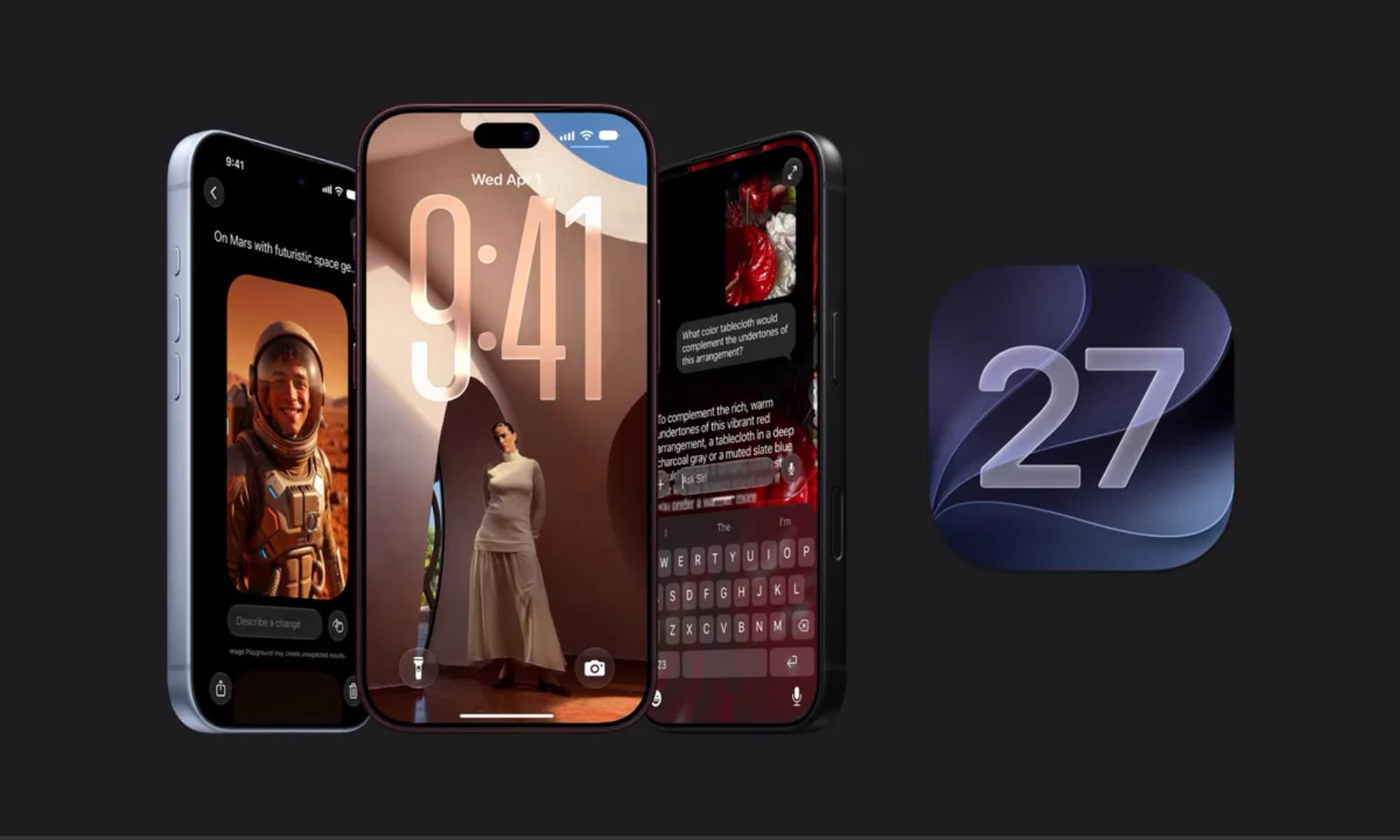
iOS 27 is here with a host of hidden tools, smarter AI, and useful upgrades. Could it change how you use your iPhone?
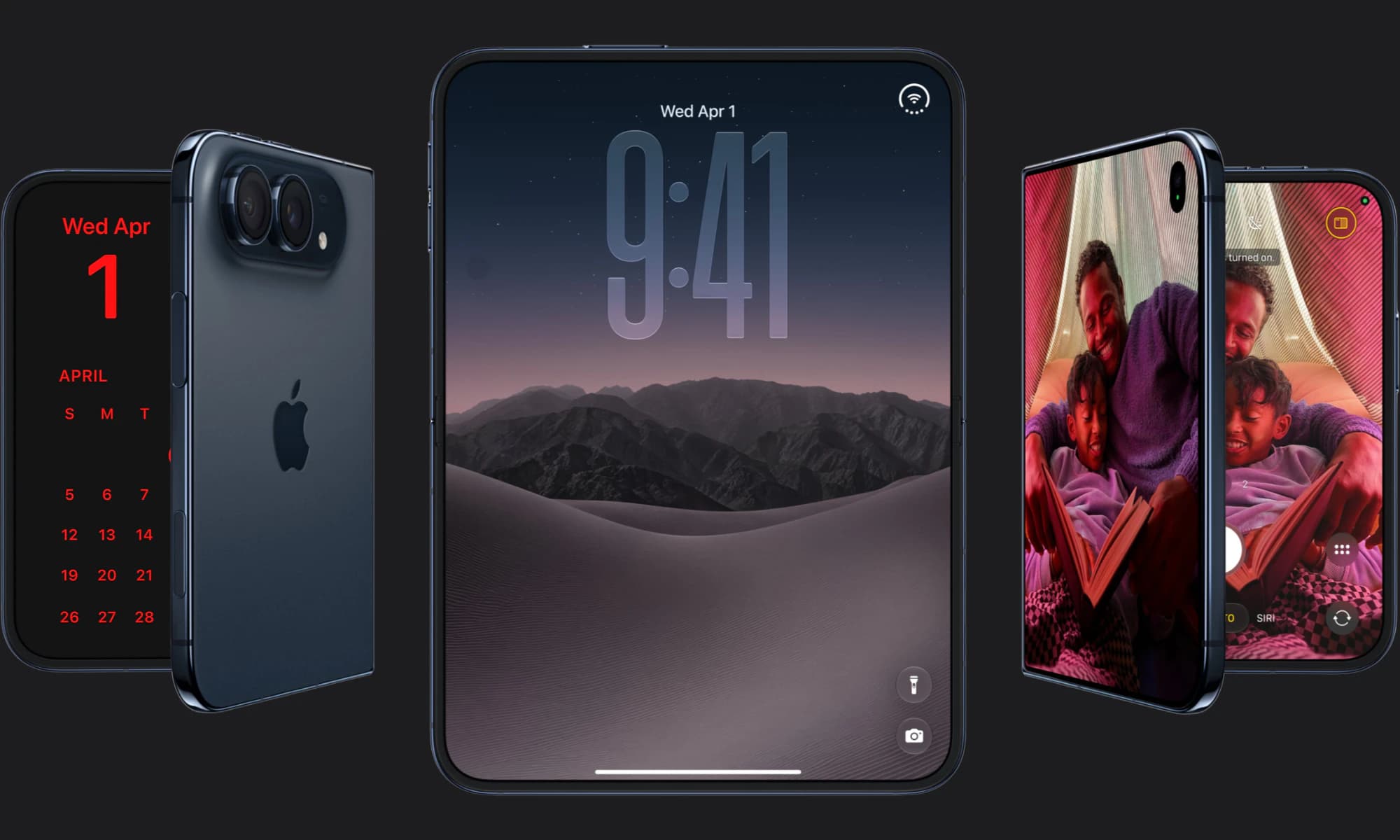
Apple has finally joined the foldable party after seven years, but was it right to wait?
iOS 27 is here! Check out key features and whether your iPhone is compatible.