0330 123 4609
Menu
Is the iPhone 17 worth upgrading to? Is iPhone Air just a design flex? Our thoughts on the latest iPhone drop.

Written by Sneha Kashyap, Content and PR Executive | Conscious Consumption and Tech Trends
Last updated on 15 September 2026

Apple has finally unveiled its iPhone 17 series. Instead of being a bold leap forward, however, the latest iPhone launch left many of us wondering whether innovation in Cupertino is starting to fall. While the iPhone 17 Pro Max holds its position as the top-tier flagship, and the standard iPhone 17 continues to offer solid value, it was the introduction of the all-new iPhone Air that drew most attention.
In this article, we break down what’s actually new in the iPhone 17 lineup, explore why the iPhone Air is getting so much attention, and examine whether Apple’s thinnest phone ever is a glimpse into the future or just a design detour that compromises too much along the way.
The iPhone 17 series now includes the base iPhone 17, iPhone 17 Pro, and iPhone 17 Pro Max. No more Plus variant. But crucially, the screens have seen an improvement with brighter OLED panels, and 120Hz ProMotion display available across the entire series - something that was exclusive to Pro models till the iPhone 16.
Apple’s A19 chip powers the entire series, delivering improved performance, especially in AI and heavy-task processing. On top of that, there's now a vapour chamber sitting under the hood to help cool down a bigger battery. The camera system has received notable upgrades too, with better low-light capabilities and AI-assisted framing for videos.
However, with most notable upgrades being to the display and camera features, it feels like the iPhone 17 series underdelivers on something groundbreaking one might expect after a year of innovations in battery technology or foldable devices. The iPhone 17 Pro Max remains Apple’s flagship with the most advanced features. However, latest addition to the iPhone portfolio- the iPhone Air - ended up being the centre of attention and we have so many questions.
The iPhone Air is not quite the base model, and certainly not the flagship. So what is it?
Apple presented the iPhone Air as a standalone model, despite launching it with the iPhone 17 series. It’s slimmer and lighter, and our opinions are split on whether that’s a design win or a hardware trade-off.
In a market where the Pro Max sells well and the standard iPhone is a solid value, more so now when so many Pro features have migrated over to the base iPhone 17, the Air seems awkwardly positioned in the middle and frankly a much worse deal.
The good news is, Apple has managed to keep iPhone 17’s pricing relatively stable given the recent tariff war which many speculated, us included, could have led to a price hike. The iPhone Air’s starting price at £999 isn’t entry-level, but its features don’t scream premium either. That makes it a hard sell, especially for consumers trying to make sense of a lineup that’s becoming increasingly fragmented and for a first phone of its kind we don't expect the depreciation on the iPhone Air to be gentle.
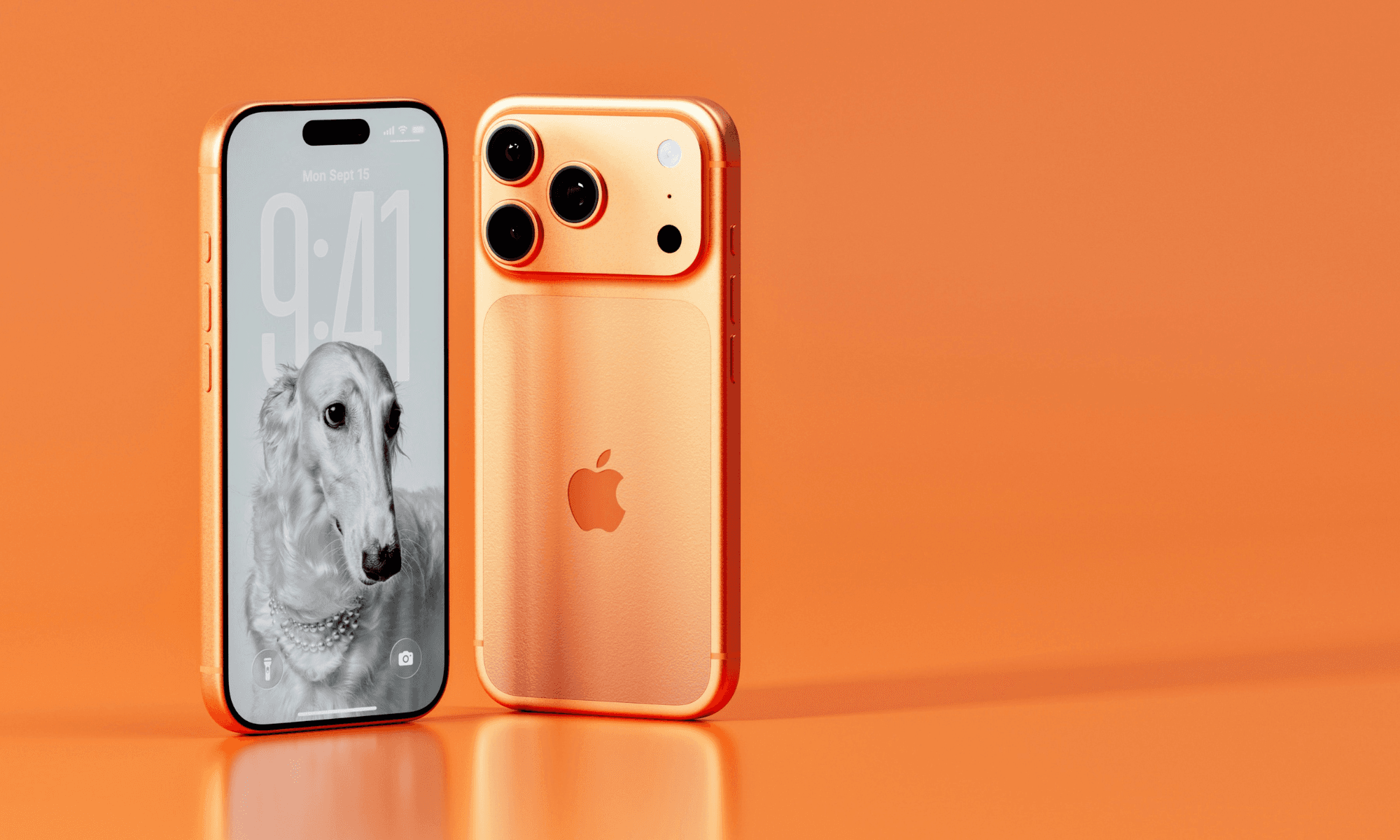
At first glance, the iPhone Air’s ultra-thin profile is stunning. It’s the thinnest iPhone ever, and Apple is clearly proud of that. But the question is: why?
Speculation is rife as to whether Apple is testing the waters for a foldable iPhone in the near future. Although a book-style foldable iPhone would require each half to be significantly thinner than current iPhone Air, the folded device would match the familiar thickness of today’s iPhones. The iPhone Air’s radical slimness might not just be a design statement; it could be Apple’s first physical experiment in preparing consumers for a new device category.
Dreams about a foldable iPhone aside, the slim profile of the iPhone Air doesn't mean a better phone. The slimmer design has forced Apple to make compromises, particularly in areas like battery and thermal cooling. Without a vapor chamber that’s now present on all iPhone 17 models, the iPhone Air may run hot under heavy load, especially when gaming or capturing video for prolonged periods.
And Apple’s solution? A MagSafe battery pack accessory priced £99. Which is basically an admission that the internal battery can’t keep up with real world use.
Historically, Apple has prioritised efficiency over battery size, but the iPhone Air seems to be pushing that philosophy too far.
Because there’s so little space inside the thin frame, Apple had to move important parts into the camera bump. This brings up concerns about how durable and balanced the phone is, and how well it can handle heat.
Let’s not forget Bendgate - the 2014 controversy that plagued the iPhone 6 and 6 Plus, which literally ‘bent’ under pressure. Now that the iPhone Air’s strength depends more on a top-heavy design, are we heading for another round of the same problem? It’s too soon to know, but the laws of physics are the same, and this design might not be able to bend them.
The irony of chasing ultra-thin design is that Apple has created an even more awkward camera bump. The iPhone Air doesn’t lie flat on any surface. The phone wobbles. The aesthetic suffers. It looks unbalanced, which is a rare miss for a company that usually prides itself on hardware polish.
What’s more, the new layout bears a noticeable resemblance to Google’s Pixel phones, particularly in how the rear camera module stretches across the back. It’s almost as if Apple has hit a design wall. If slimming down means sacrificing what matters most to consumers - the battery and decent cameras - is iPhone Air truly an innovation? Or is this a design compromise masquerading as progress?
From an engineering standpoint, Apple's done an impressive job. Fitting all the components into such a slim form factor requires serious ingenuity. Technically impressive though the design may be, it still doesn’t erase doubts about whether it actually improves user experience.
Apple often markets its products as extensions of the human body - intuitive, natural, seamless. But the larger size of the iPhone Air contradicts that narrative. In the launch video, one model is seen straining to hold the phone between her index and middle fingers - a visual cue that undermines the very pitch Apple is making.
Thinner phones might look sleek in renderings, but real hands need grip, balance, and comfort, especially for a device we use hundreds of times a day. The Air’s slimness doesn’t enhance usability; it potentially harms it.
The iPhone 17 series, with welcome upgrades to the battery and display configurations, offers little in the way of groundbreaking change, and the iPhone Air stands out as the most talked-about (and divisive) model from the launch. The iPhone Air seems like Apple’s attempt to iterate within a product category they’ve already saturated. It's beautifully made, but deeply conflicted, caught between being a design experiment and a practical device. So here's our take:
If you want the best camera, go for the iPhone 17 Pro Max.
If you want value, the base iPhone 17 will deliver and more.
If you want something light and thin and pretty to look at, the Air sounds right until you realise you actually need a phone to use as it compromises on too many fundamentals.
For now, the iPhone Air doesn’t offer a compelling reason to upgrade, and it risks alienating users who expect both beauty and practicality from their iPhones.
At a time when sustainability, repairability, and real usability are becoming more important, the iPhone Air may be a step in the wrong direction. Prove us wrong, Apple.
Images Credit: Apple
Apple has finally joined the foldable party after seven years, but was it right to wait?
iOS 27 is here! Check out key features and whether your iPhone is compatible.

Storing old phones isn’t as harmless as it seems. Here’s why it’s worth digging out your old phone to avoid a hazardous situation.