0330 123 4609
Menu
Digicam trend drives 979% spike in iPhone 4 demand and here's what you need to know before using one.

Written by Antonia, Head of Marketing | Consumer Electronics and Money-Saving
Last updated on 24 June 2026
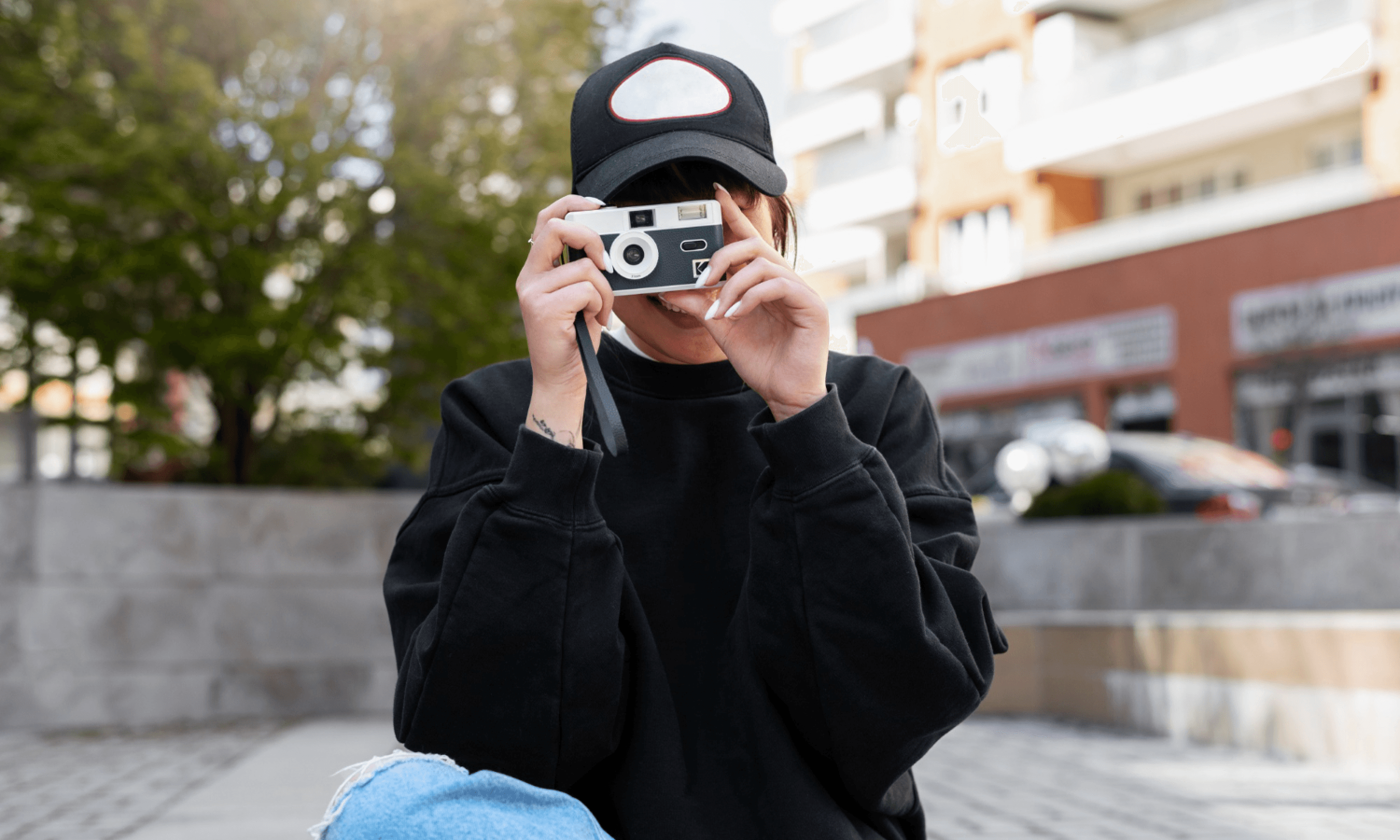
In a world obsessed with owning the latest technology, Y2K tech is making a surprising comeback, and the iPhone 4 is leading the way. Fuelled by a wave of nostalgia and a desire for lo-fi, analogue-style content, TikTok users are repurposing the nearly 16-year-old smartphone as a digital camera alternative.
With #digicam amassing more than 347,000 posts on TikTok alone, the iPhone 4 is the latest unlikely star in the resurgence of nostalgic tech. This trend is also echoed in the recent comeback of wired headphones, as many look to turn back the clock and escape today’s polished, always online aesthetic.
And it seems the trend is seeping over into real-life purchases, with Google searches for ‘Buy iPhone 4’ skyrocketing 979% in the past year.
But as demand surges, we feel the need to sound a note of caution. Our very own Lee Elliott, chief product officer at Compare and Recycle, warns that anyone purchasing the iPhone 4 to use as a digital camera should avoid uploading personal data to the device.
The iPhone 4 has all the hallmarks of a great vintage digital camera, offering lower resolution, less processed photos that give a distinct and more authentic early 2000s look.
When comparing the iPhone 4’s 5MP camera to the latest iPhone 17’s 48MP one, it’s easy to see the appeal of the iPhone 4 for creating an analogue-inspired, grainy aesthetic.
However, unlike regular digital cameras, the iPhone 4 comes with digital security risks users may not expect. This is because the latest iOS version that the iPhone 4 can support is iOS 7.1.2 - a version released in 2014. That’s over a decade without updates or security fixes.
Because of this, the iPhone 4 will not be able to protect any personal data in the way that more modern iPhones do, leaving users vulnerable to issues like data leaks, hacking, and other security breaches.
For those keen to repurpose older iPhone models that cannot get the latest iOS updates (iPhone 11 and below) for photography purposes, these are the top tips on how to do it without compromising personal data:
Transfer photos manually: Upload your photos to your laptop to offload them using a wired connection; do not attempt to use iCloud to back up your photos.
Avoid logging in: Never sign into iCloud or any personal Apple ID.
Skip sensitive apps: Do not install email, banking, or social media apps that include personal information.
Stay offline: Use the device in airplane mode and don’t insert a SIM card.
Used with the correct precautions, older iPhones can still serve a creative purpose without exposing your personal information.
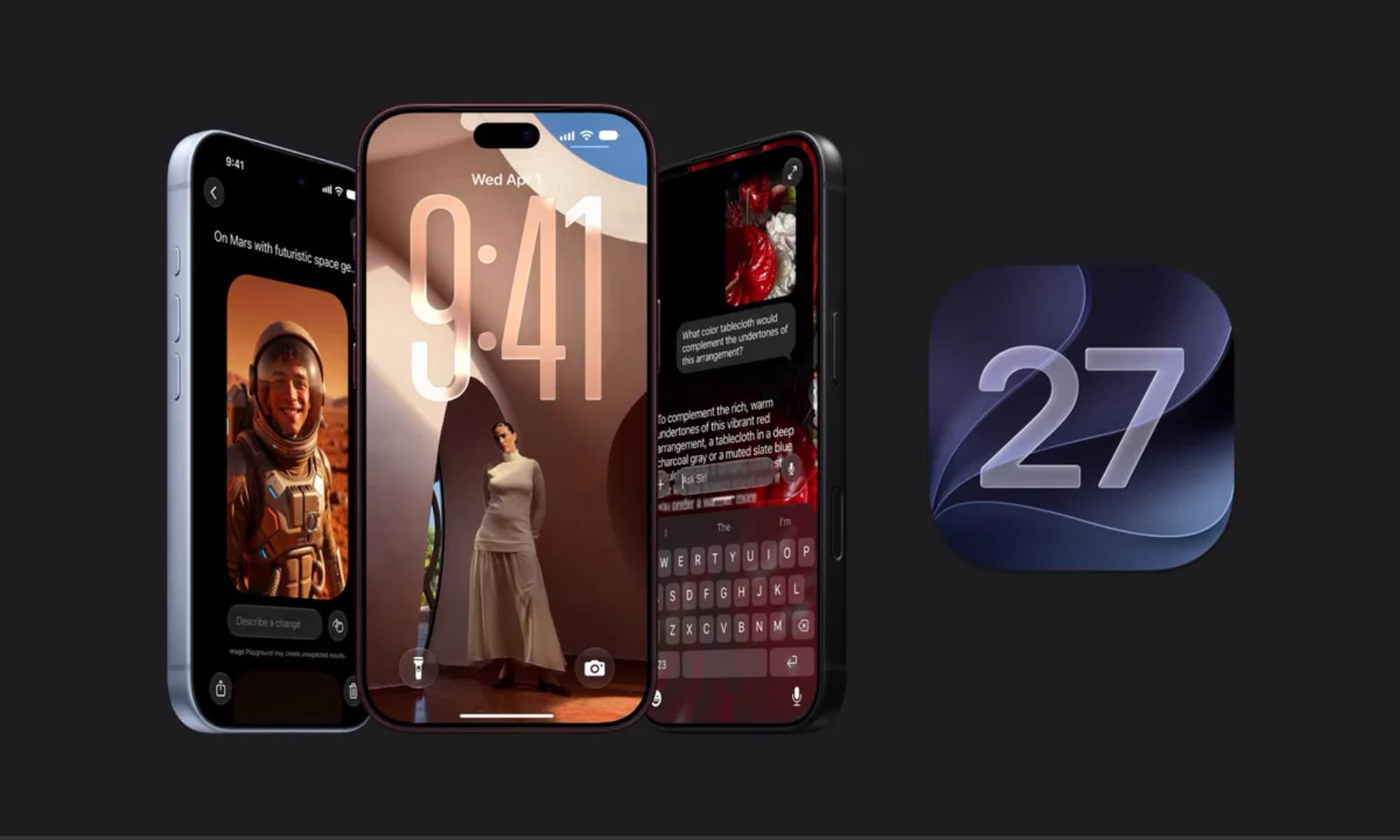
iOS 27 is here with a host of hidden tools, smarter AI, and useful upgrades. Could it change how you use your iPhone?

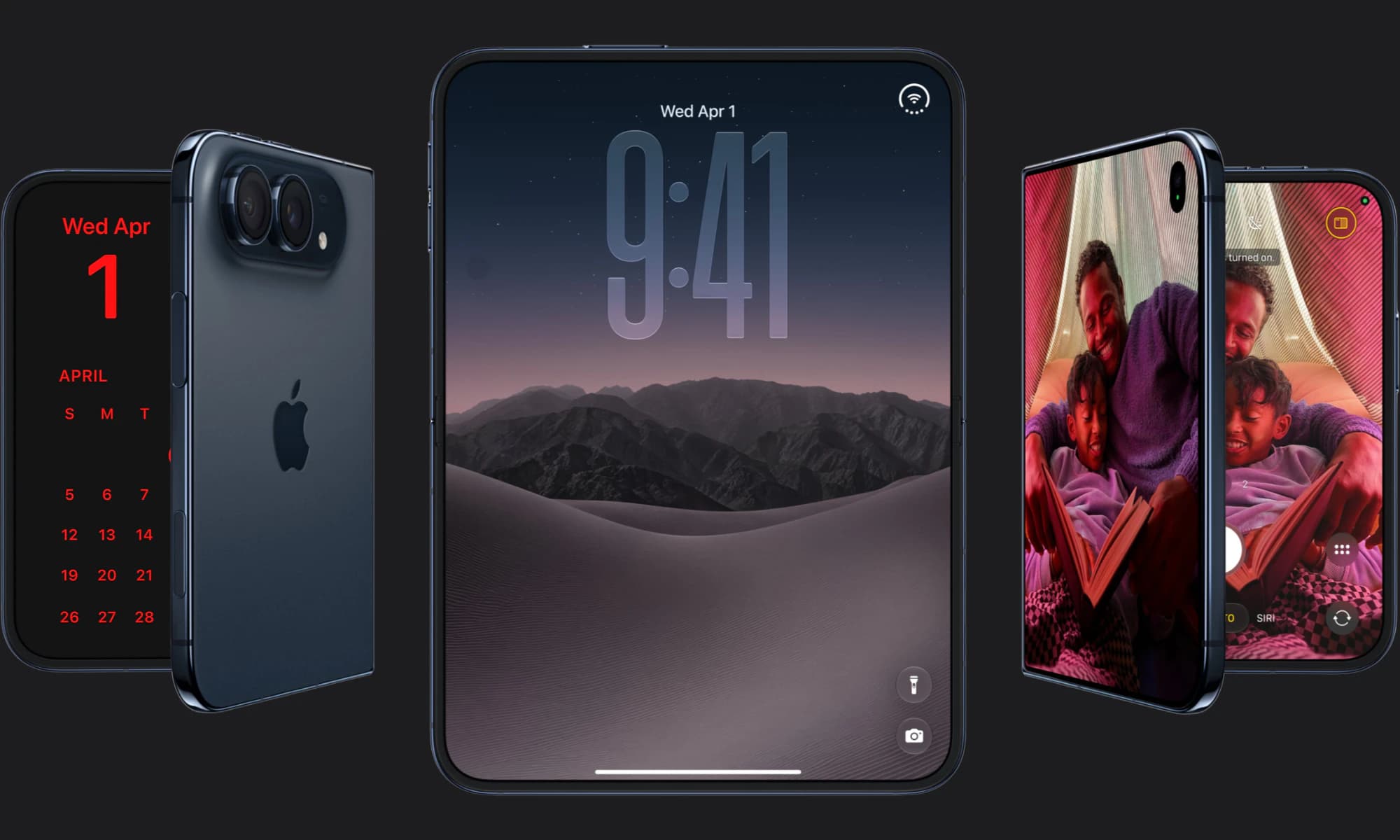
Apple has finally joined the foldable party after seven years, but was it right to wait?
iOS 27 is here! Check out key features and whether your iPhone is compatible.