0330 123 4609
Menu
Switching phones? Here’s a simple step-by-step guide to transfer your eSIM correctly.

Written by Sneha Kashyap, Content and PR Executive | Conscious Consumption and Tech Trends
Last updated on 7 October 2026
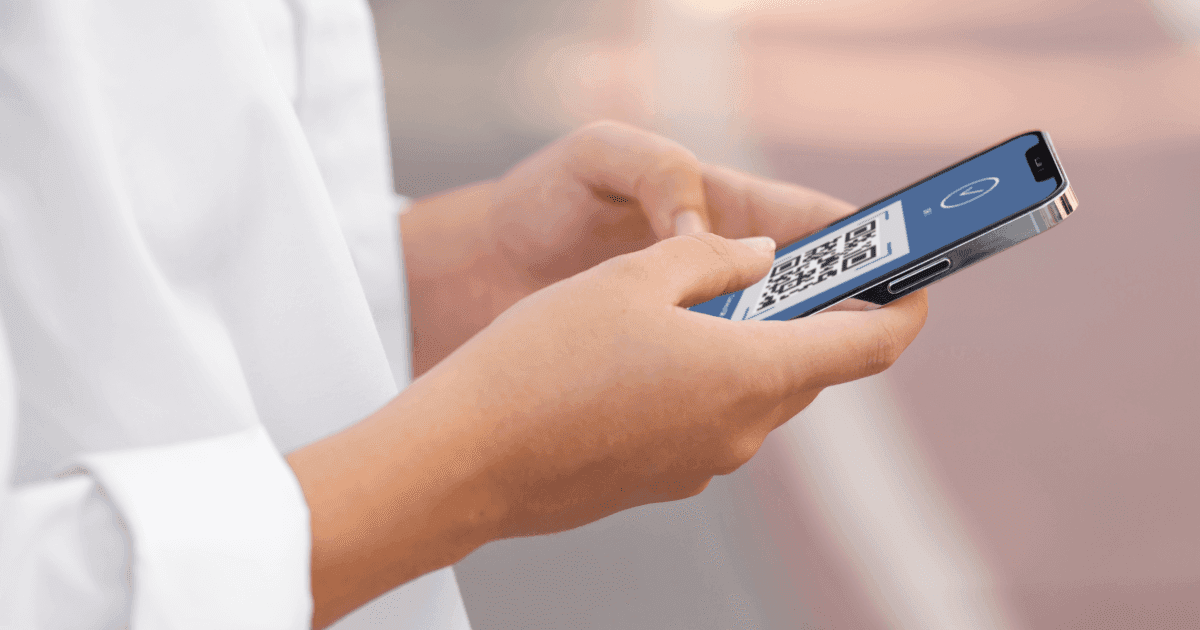
Ever wondered how to transfer an eSIM to a new phone or only just realised why it’s so important to do? eSIMs are still relatively new, so whether you’re switching to a new iPhone or moving between Apple and Android, transferring an eSIM correctly is crucial so you don’t lose mobile service. The process is fairly straightforward, although the exact steps vary depending on what phone you have and your network provider.
In this guide, we'll explain how to transfer an eSIM to a new iPhone or Android phone, what to do if your transfer isn't working, how to convert a physical SIM to an eSIM, and the steps to take before selling your old phone. Just check beforehand if your network supports the transfer as it’s essential.
Jump to the relevant section:
First things first, before you jump into transferring your eSIM, it’s worth taking some time to make sure you have everything you need so all goes smoothly, regardless of whether you’re switching to a new iPhone or Android device.
1. Check that your network provider supports eSIM transfer
Not all networks allow automatic transfers between devices. In the UK, major providers including EE, O2, Vodafone and Three support eSIM, but some transfers may still require a QR code or activation code.
2. Make sure your new phone supports eSIM
Head to Settings and look for an option like ‘Download a new eSIM’ to confirm compatibility.
For iPhone: Settings → Mobile Service
For Android: Settings → Network & Internet
3. Connect both phones to Wi-Fi
Both devices will need a stable internet connection to complete the transfer. Checking this beforehand will save you time and ensure you don’t have to start again.
4. Back up your data
Although your eSIM transfer won’t normally affect your data, we always recommend backing up your phone before upgrading.
5. Update your software
Make sure both phones are running the latest version of iOS or Android, as eSIM transfer features require updated software.
If you’re worried about transferring your eSIM from one iPhone to another, Apple’s built-in eSIM Quick Transfer makes it simple - and in many cases, you don’t need to contact your network provider. Make sure you're running the latest iOS 26 so the transfer goes smoothly.
Turn on your new iPhone and place it near your old iPhone.
Ensure both devices are connected to Wi-Fi and signed in with the same Apple ID.
On your new iPhone, go to Settings.
Tap on Cellular.
Add eSIM.
Choose Transfer From Nearby iPhone.
Confirm the transfer on your old iPhone.
Tap Activate to complete setup.
Once complete, your new iPhone will activate the eSIM and connect to your network.
NOTE: If the transfer option doesn't appear, your provider may require manual activation using a QR code.
Similar to iPhones, Android devices have a built-in eSIM transfer tool, supported by Google. This means you can transfer your eSIM to a new phone while setting it up for the first time.
Turn on your new Android phone.
Follow the on-screen instructions to complete the setup process.
Connect to Wi-Fi.
When prompted, choose Set up eSIM or Transfer SIM from another device.
Follow the instructions to complete the transfer.
NOTE: Some networks may require you to scan a QR code instead.
If you’re transferring an eSIM between an Android and an iPhone, you’ll need some help from your provider as it involves two different operating systems.
Contact your mobile phone provider and request new eSIM activation details.
Get your QR code or an activation code.
On your new phone, go to:
iPhone: Settings → Mobile Service → Add eSIM
Android: Settings → Network & Internet → Add eSIM.
4. Scan the QR Code or enter the Activation Code.
5. Follow the instructions on screen to complete the setup and activate the eSIM.
If you no longer have access to your old phone, don’t fret. You can request a new eSIM from your network. If you’re with one of the main UK providers listed below, you can request a new eSIM online or using their app.
🌐EE - Log into your ‘My EE’ account and request a new eSIM or QR code. You can also call EE customer service instead.
🌐O2 - Log into your ‘My O2’ or contact them directly through customer support. You will then receive your QR code via email or by post depending on your preference.
🌐Three - Log into your online account and click ‘replace SIM’ and choose eSIM. You will then get an email containing a QR code to scan and begin the transfer process.
🌐Vodafone - Log into your Vodafone app or call for support by dialling 191. They will then be able to issue you a new eSIM via email or direct you to a store.
The exact process for converting your physical SIM into an eSIM depends on your network provider, but generally involves these steps:
Check whether your network supports eSIM activation.
Go to Settings on your phone.
Open Mobile Data and Networks.
Select Convert to eSIM (if applicable).
Follow the activation prompts.
Once the transfer is complete, check that calls, texts and mobile data are working correctly.
Once your eSIM is active, your provider may deactivate the physical SIM automatically.
If your eSIM transfer isn't working, don't panic. Most activation problems can be resolved quickly.
Check network support - Not all providers support automatic eSIM transfers.
Update your device - Install the latest version of iOS or Android before attempting the transfer again.
Verify your internet connection - A weak Wi-Fi connection can interrupt activation.
Restart both phones - A simple restart often resolves temporary activation issues.
Remove inactive eSIM profiles - If your phone has multiple stored eSIMs, removing unused profiles may help.
Request a new QR code - Some activation codes expire and need to be reissued by your provider.
Contact your network provider - If the transfer continues to fail, your network can manually provision a new eSIM.
Deleting an eSIM is pretty simple, especially since your phone can store up to eight eSIMs. Since only two of them can be active at a time, it’s worth knowing how to do it.
Go to Settings.
Click on Network & Internet.
Choose the eSIM you wish to delete.
Tap ‘Delete’.
Open the Settings menu.
Click on Mobile Service.
Scroll down, check to see if you have a single or multiple plans.
If you have a single plan, click ‘Delete eSIM'.
If you have multiple plans choose the plan you want to delete and then click ‘Delete’.
Once you have successfully transferred your eSIM to your new phone, don’t just toss the old one in a drawer. Trade it in for the best price with one of our recyclers, and offset the cost of your new phone. But, first, do these quick checks to make sure everything is in order.
Make a test call from your new phone.
Send and receive a text message.
Confirm mobile data is working correctly.
Remove the eSIM from your old phone.
Sign out of your Apple ID or Google Account.
Factory reset your device.
This will protect your personal information and ensure your mobile service remains active on your new phone.
Below are some common questions we get asked about transferring your eSIM to a new phone.
Yes, most networks support automatic eSIM transfers between compatible devices. However, some providers still require a QR code or activation code.
Once you’ve successfully transferred your eSIM to your new phone, it will automatically be deleted from your old one as an eSIM profile can only be active on one device at a time.
Typically, an eSIM transfer should take around five minutes if you’re using compatible devices on the same operating system. But, if it requires manual processing from your network, it could take anywhere between half an hour to a day.
Absolutely. Just because your old phone is broken doesn’t mean you can’t transfer your eSIM. You won’t be able to use Quick Transfer in case, but your network provider can do it for you.
Transferring an eSIM to a new phone might sound technical at first, but as you can see, the process is usually quick and straightforward - especially if you’re moving between devices on the same operating system. Whether you’re upgrading to the latest iPhone, switching to a new Android, or moving between the two, the key is preparation: check compatibility, ensure your software is updated, and confirm your network supports eSIM transfers.
In most cases, built-in transfer tools make the switch seamless. And even if you don’t have your old device, your network can issue a new eSIM so you’re never without service for long.
As eSIM technology continues to replace traditional SIM cards, knowing how to manage, transfer, and delete your eSIM will make future upgrades much easier. Follow the steps outlined above, and you’ll be connected on your new device in no time. Don’t forget to trade in your old phone once you’ve finished the transfer.
iOS 27 is here with a host of hidden tools, smarter AI, and useful upgrades. Could it change how you use your iPhone?
Apple has finally joined the foldable party after seven years, but was it right to wait?

iOS 27 is here! Check out key features and whether your iPhone is compatible.