0330 123 4609
Menu
A roundup of the latest flagship Android phones and what makes each one stand out.

Written by Sneha Kashyap, Content and PR Executive | Conscious Consumption and Tech Trends
Last updated on 5 March 2026
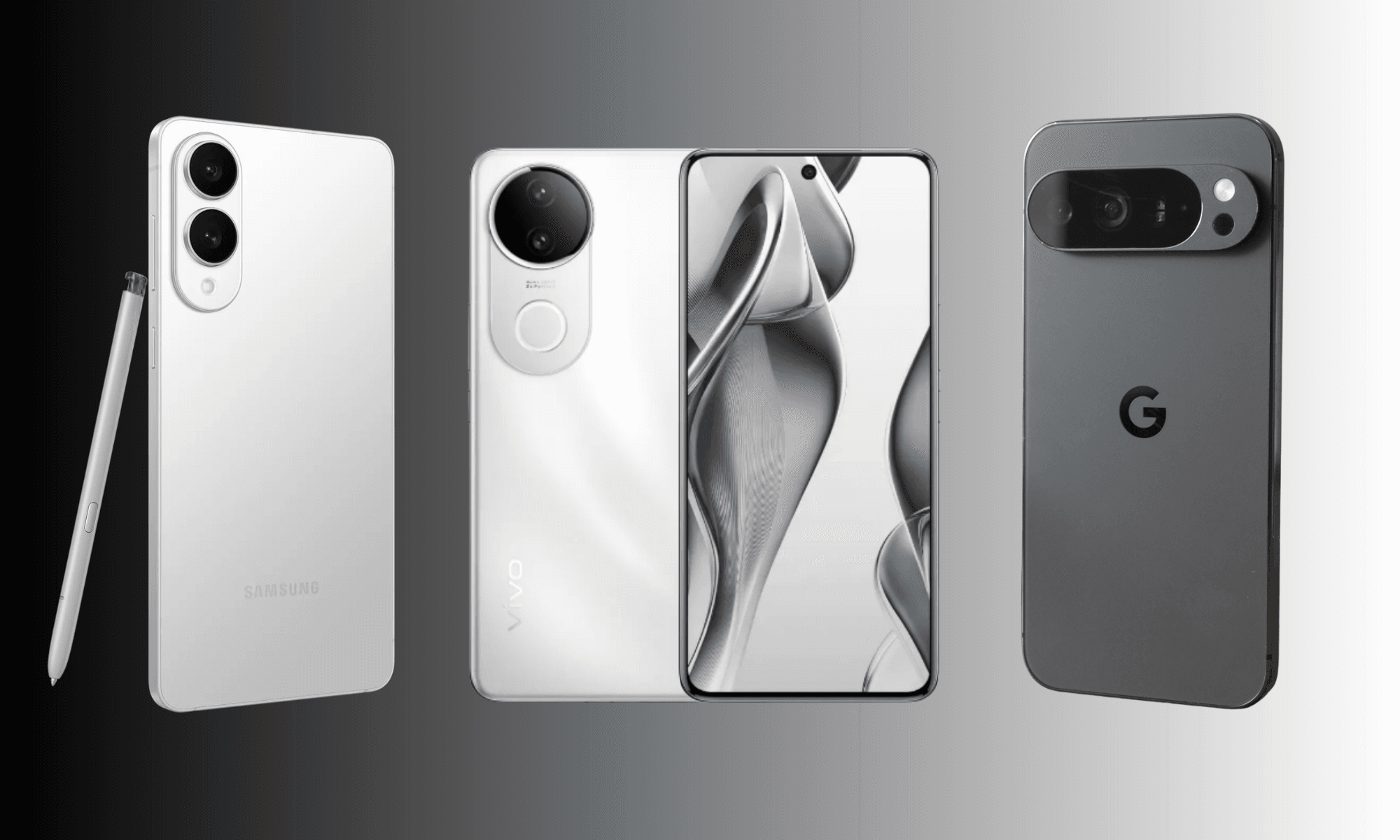
The world of Android smartphones continues to evolve at an astonishing pace, bringing bigger screens, faster processors, and ever-more impressive cameras into our hands. Whether you’re after powerhouse performance, all-day battery life, or the perfect device for capturing every moment, these latest models have something for everyone.
In this roundup, we take a closer look at some of the newest flagship and premium-tier Android devices, exploring what makes each one stand out, from cutting-edge performance to stunning design and long-lasting battery life.
If you’re after a phone that does absolutely everything, and then some, the Galaxy S26 Ultra is the one to beat. Launched in February 2026, it’s the crown jewel of Samsung’s Galaxy S series and a showcase of what the company can do when it pulls out all the stops.
Right away, the 6.9-inch AMOLED display commands your attention. It’s massive, razor-sharp, and even brighter than before, with a peak brightness that makes outdoor viewing effortless. The 120 Hz refresh rate keeps everything silky-smooth, whether you’re gaming, binge-watching, or scrolling late into the night.
But the defining upgrade this year is Samsung’s new Privacy Display technology. With a single tap, the screen narrows its viewing angles to help block side glances in public spaces - perfect for blocking prying eyes whether you're commuting or handling sensitive information on the go. And best part? You don't have to black out your whole screen; you choose how and when you want to use it.
Under the hood, Samsung has doubled down on performance once again. The latest Snapdragon 8 Elite for Galaxy chip (now even more power-efficient) handles demanding tasks without breaking a sweat, especially with the growing suite of AI-driven features. From advanced on-device photo editing and live call translations to smarter automation that adapts to your habits, the S26 Ultra feels genuinely intelligent. Paired with up to 16 GB of RAM and as much as 1 TB of storage, it’s built for creators, multitaskers, and anyone who refuses to compromise.
Of course, no Ultra phone would be complete without a headline-grabbing camera system. The upgraded 200 MP main sensor captures staggering detail, while improved ultra-wide and telephoto lenses deliver cleaner low-light shots and sharper long-range zoom. Whether you’re shooting portraits, action shots, or city skylines at night, the S26 Ultra makes pro-level photography feel effortless.
And because a phone this powerful deserves serious durability, Samsung continues the premium build with a reinforced titanium frame, the latest Gorilla Armor protection, and full IP68 water and dust resistance. It’s sleek, it’s tough, and it’s built to handle whatever your day throws at it.
Who it’s for:
If you tend to keep your phone for several years and want top-tier performance, storage flexibility, and one of the most versatile camera systems available, this is the kind of device you’ll likely appreciate. But if you only use your phone for basic functions like calls, browsing, and occasional photos, a more mid-range model might be better for you.
If you’ve ever been curious about using one device as both your phone and your tablet, the Galaxy Z Fold 7 continues to refine that idea. Released in July 2025, this seventh-generation Fold focuses less on novelty and more on making the foldable format practical for everyday use.
Open it up and you get an 8.0-inch main display that gives you extra room for reading, editing, sketching, or streaming. The 6.5-inch cover screen on the outside lets you quickly reply to messages or take calls without unfolding the device. Both displays support a 120 Hz refresh rate, which makes everything feel smooth while you’re scrolling, switching between apps, or using an S Pen.
Inside, the Snapdragon 8 Elite processor keeps performance strong, whether you’re multitasking or using AI-powered features like live translation and smart task suggestions. The 200 MP main camera - a first for the Fold line - brings it closer to traditional flagship phones in terms of photo detail and clarity.
Design-wise, Samsung has focused on refinement. The updated Armor Flex Hinge and slimmer profile (4.2 mm unfolded, 8.9 mm folded) make it easier to handle than earlier generations, and at around 215 g, it’s surprisingly manageable for a device of this size. The materials feel premium, and durability has clearly been a priority.
Foldables, however, are still a niche option, and the Z Fold 7 sits firmly in the premium category. It’s not just about having a larger screen - it’s about whether that extra flexibility fits into how you use your phone day to day. If you’re weighing up overall phone value, it’s worth considering how often you’d actually benefit from the expanded display and multitasking features compared to a traditional flagship.
Who it’s for:
If you regularly work across multiple apps, review documents on the go, or prefer reading and watching on a larger screen, this is the kind of device you might appreciate. On the other hand, if you mainly use your phone for quick messages, social media, and photos, a standard flagship may offer better overall value for your needs.
Launched in August 2025, the Pixel 10 Pro XL represents Google’s vision of what a high-end Android phone should be: clean software, strong cameras, and AI features that aim to be genuinely useful rather than distracting.
At the front is a 6.8-inch LTPO OLED display with QHD+ resolution and a 120 Hz refresh rate. It’s sharp and fluid, with adaptive brightness that adjusts well in different lighting conditions. Whether you’re watching videos, gaming, or just browsing, the screen feels balanced and natural rather than overly saturated.
Powering the device is Google’s Tensor G5 chip, built on a 3 nm process. Combined with up to 16 GB of RAM and as much as 1 TB of storage, it offers smooth day-to-day performance. The real emphasis, though, is on AI-driven features be it faster voice typing and real-time translation or automatic photo enhancements.
Cameras have always been a Pixel strong suit, and the 10 Pro XL continues that legacy. Its 50 MP main, 48 MP ultra-wide, and 48 MP telephoto (5× optical zoom) lenses deliver crisp, balanced images across lighting conditions. There’s also a 42 MP front camera for detailed selfies and crystal-clear video calls. The device even supports 8K video, making it ideal for content creators.
Build quality is equally impressive. The phone combines metal and glass craftsmanship with IP68-rated protection, and the 5,200 mAh battery offers reliable endurance with both fast wired and wireless charging. And when it comes to pixel sustainability, it’ll be interesting to see how the 10 Pro XL holds up over time, especially as Google continues to focus on longer software support and eco-friendly materials.
Who it’s for:
If you appreciate a clean, uncluttered Android interface and want AI features that feel tightly integrated into everyday tasks, this is likely to appeal to you. If you’re less concerned about Google’s software ecosystem and more focused on raw performance or hardware customisation, you may want to compare it with other flagship options before deciding.
Motorola has been steadily rebuilding its flagship reputation, and the Motorola Edge 60 Pro is proof that you don’t have to spend a fortune to get a premium Android experience. Positioned as the hero model in the new Edge 60 series, it’s all about delivering strong performance, sleek design, and incredible battery endurance at a more accessible price.
The phone features a gorgeous 6.7-inch curved P-OLED display with a 1.5K resolution (2712×1220) and a smooth 120 Hz refresh rate, striking a great balance between sharpness, colour accuracy, and responsiveness. Whether you’re browsing, streaming, or gaming, the visuals feel immersive without draining too much power.
Under the hood, the MediaTek Dimensity 8350 Extreme (4 nm class) keeps everything running fast and cool, supported by up to 12 GB of RAM and UFS 4.0 storage for speedy app launches and multitasking. It’s not just about raw power, though, Motorola’s clean Android 15 interface makes the experience fluid, intuitive, and refreshingly bloat-free.
Photography is another pleasant surprise. The 50 MP main camera with optical image stabilisation captures detailed shots, while the 50 MP ultra-wide and 10 MP telephoto (3× optical zoom) lenses add flexibility for both creative and everyday photography. The 50 MP front camera ensures selfies and video calls look sharp and well-lit.
Where the Edge 60 Pro really shines is battery performance. The massive 6,000 mAh battery easily lasts through long workdays or travel, while 90 W TurboPower charging gets you back to full in minutes. It also supports 15 W wireless and reverse charging, which is great for topping up accessories. Add IP68/69 protection and MIL-STD-810H durability, and you’ve got a phone built to endure whatever life throws at it.
Who it’s for:
If battery life is high on your priority list and you want reliable performance without stepping into ultra-premium pricing, this is a strong option to consider. It suits frequent travellers, heavy daily users, or anyone who prefers a clean Android experience.
The OnePlus 15, launched in October 2025, shows that OnePlus is still serious about delivering flagship performance without the hefty price tag. Known for blending speed, smart design, and everyday practicality, this latest model pushes that formula further than ever before.
The phone features a 6.78-inch LTPO AMOLED display with a 1.5K resolution and an incredible 165 Hz refresh rate - one of the fastest screens you’ll find on any smartphone. Whether you’re scrolling, gaming or just zipping through your apps, it feels ultra-responsive and silky smooth.
Powering all that performance is the Snapdragon 8 Elite Gen 5 chipset, built on a 3 nm process, paired with up to 16 GB of RAM and 1 TB of storage. The result? Top-tier speed and efficiency that easily handles demanding games, creative workloads, and the next few years of Android updates without breaking a sweat.
On the photography front, OnePlus keeps things consistent and capable with a triple 50 MP camera setup (main, ultra-wide and telephoto with 3.5× optical zoom), alongside a 32 MP front camera. The introduction of OnePlus’s new DetailMax image-processing engine means sharper photos, richer colours and better dynamic range - perfect if you love capturing life as it happens.
Battery life is another area where the OnePlus 15 stands out. The 7,300 mAh battery is one of the largest in any flagship phone this year, supporting 120 W wired and 50 W wireless charging. That means you can power up in minutes and keep going for longer.
With the OnePlus 13 already praised as one of the best value flagships, the OnePlus 15 continues that tradition, but with more power, polish and endurance than ever. It’s a true contender among the big names, proving that speed and quality don’t always have to come at a premium.
Who it’s for:
If speed, high refresh-rate gaming, and long battery life are your priority, you'll likely find this appealing. But if camera innovation or brand ecosystem are more important instead, you might want to compare it alongside other premium options before deciding.
The OPPO Find X9 Pro crowns OPPO’s latest premium lineup, combining sleek design with cutting-edge tech and a serious focus on photography. It’s the brand’s most ambitious phone yet, and perfect if you want style, speed, and creative freedom in one flagship device.
Running Android 15 with ColorOS, the Find X9 Pro offers a clean, intuitive experience that feels polished and fast. Its 6.78-inch LTPO AMOLED display delivers crisp 1.5K resolution visuals at a smooth 120 Hz refresh rate, striking a perfect balance between vibrancy and efficiency. Whether you’re gaming, streaming, or simply scrolling, the display feels fluid and immersive.
Under the surface, the MediaTek Dimensity 9500 chipset, paired with up to 16 GB of RAM and 1 TB of storage, keeps everything running effortlessly. It’s more than capable of handling demanding apps, multitasking, and creative work without missing a beat.
Photography is where the Find X9 Pro truly shines. The triple-camera system features a 50 MP main lens, a 50 MP ultra-wide, and a standout 200 MP periscope telephoto with 3× optical zoom, giving you versatility and detail across every shot. Thanks to OPPO’s partnership with Hasselblad, colours look beautifully balanced and natural, with pro-level tools that make mobile photography genuinely rewarding. The 32 MP front camera ensures your selfies and video calls look crisp, too.
A 5,000 mAh battery powers the device, supported by 100 W wired charging, 50 W wireless charging, and reverse charging for accessories. The sleek design feels premium in the hand, and OPPO’s build quality ensures it’s as durable as it is elegant.
Overall, the OPPO Find X9 Pro delivers an excellent mix of craftsmanship and capability; it’s a flagship that’s as much about creative expression as it is about everyday performance.
Who it’s for:
If mobile photography is a priority and you appreciate thoughtful design alongside strong overall performance, this is likely to suit you well. It’s a good fit for users who want creative flexibility without sacrificing everyday reliability. If your focus is purely on gaming performance, ultra-long battery life, or maximising value above all else, you may want to compare it with other flagship options before making a decision.
The Vivo V60e is a standout Android phone in the latest V60 series - a new premium-tier line from Vivo designed for strong performance, modern design, and smart value.
The V60e runs on Android 15 with Vivo’s Funtouch OS 15, offering a sleek and intuitive user experience. It features a large 6.77-inch Quad Curved AMOLED display with a 120 Hz refresh rate, 1,600 nits peak brightness, and Diamond Shield Glass protection. This combination ensures vibrant visuals and durability, making it ideal for both media consumption and everyday tasks.
Under the hood, the device is powered by the MediaTek Dimensity 7360 Turbo chipset, paired with up to 12 GB RAM and up to 256 GB of storage. This setup ensures smooth multitasking and efficient performance, even with demanding applications.
Photography is a highlight: the V60e boasts a 200 MP primary camera with Optical Image Stabilization (OIS) and 30x zoom capabilities, complemented by an 8 MP ultra-wide lens. The front camera is a 50 MP unit with AI Aura Light Portrait support, delivering sharp selfies and video calls.
Battery life and build quality maintain the premium feel: a 6,500 mAh battery supports 90 W FlashCharge, allowing for rapid charging. The device also carries IP68 and IP69 ratings for water and dust resistance, ensuring durability in various conditions. On the software front, however, the device only supports 3 major Android upgrades. That being said, if you’re averse to buying refurbished and/or typically upgrade every 2-3 years, the Vivo V60e’s compelling mix of high-end features at a competitive price point might just be right for you.
Who it’s for:
If you enjoy mobile photography and want a phone that combines strong camera hardware with refined design and reliable performance, this is likely to appeal to you. If your priority is maximising battery size or getting the lowest possible price, you may want to compare it with other options to assess overall phone value for your needs.
The Xiaomi 17 Pro Max launched in late September 2025 and brings a bold set of features that aim to push the flagship smartphone envelope. With its large display, powerful internals and some standout extras, it’s designed for users who want more than just the latest Android phone.
The 17 Pro Max runs on Android 16 with Xiaomi’s HyperOS 3, offering a sleek and intuitive user experience. It features a large 6.9-inch LTPO AMOLED display with a 2K resolution and a 120 Hz refresh rate, providing vibrant visuals and smooth scrolling. The display is protected by Xiaomi’s third-generation Dragon Crystal Glass, ensuring durability.
The device is powered by the Qualcomm Snapdragon 8 Elite Gen 5 chipset, paired with up to 16 GB RAM and up to 1 TB of storage. This setup ensures smooth multitasking and efficient performance, even with demanding applications.
Photography is a highlight: the 17 Pro Max boasts a 50 MP primary camera with Optical Image Stabilization (OIS), a 50 MP ultra-wide lens, and a 50 MP periscope telephoto lens with 5× optical zoom. The front camera is also a 50 MP unit, delivering sharp selfies and video calls. The camera system benefits from Xiaomi’s collaboration with Leica, offering enhanced color tuning and professional-grade photography features.
Battery life and build quality maintain the premium feel: a 7,500 mAh battery supports 100 W wired charging, 50 W wireless charging, and reverse charging. The device also carries IP68 water and dust resistance, ensuring durability in various conditions.
Overall, the Xiaomi 17 Pro Max offers a compelling mix of high-end features at a competitive price point, making it an attractive option for users seeking a balance between performance, photography, and value.
Who it’s for:
If you prioritise large displays, extended battery life, and versatile camera hardware and don’t mind a bigger device, this could be a strong fit. It’s particularly suited to mobile creators and performance-focused users who want flagship features without necessarily choosing the most mainstream brand in the UK . If long-term software familiarity or ecosystem integration matters more to you, it may be worth comparing it carefully with other established options before deciding, especially when weighing overall phone value.
The Honor Magic 8 Pro is the flagship model in the Magic 8 series. It runs on MagicOS 10, based on Android 16, offering a sleek and intuitive user experience. It features a large 6.71-inch LTPO OLED display with a 1.5K resolution and a 120 Hz refresh rate, providing vibrant visuals and smooth scrolling. The display is protected by Honor's Giant Rhino Glass, ensuring durability.
The Honor Magic 8 Pro is powered by the Qualcomm Snapdragon 8 Elite Gen 5 chipset, paired with up to 16 GB RAM and up to 1 TB of storage. This setup ensures smooth multitasking and efficient performance, even with demanding applications.
Photography is a highlight: the Magic 8 Pro boasts a 50 MP main sensor, a 200 MP periscope telephoto lens with 3.7× optical zoom, and a 50 MP ultra-wide lens. The front camera is also a 50 MP unit, delivering sharp selfies and video calls. The camera system benefits from Honor's AI-powered features, including anti-shake technology and Magic Color for enhanced image processing.
Battery life and build quality maintain the premium feel: a 7,200 mAh battery supports 100 W wired charging and 80 W wireless charging. The device also carries IP68, IP69, and IP69K ratings for dust and water resistance, ensuring durability in various conditions.
Overall, the Honor Magic 8 Pro offers a compelling mix of high-end features at a competitive price point, making it an attractive option for users seeking a balance between performance, photography, and value.
Who it’s for:
This device is well suited to users who want a flagship that balances performance, photography, and durability. If you enjoy AI-driven camera tools, smooth multitasking, and a robust display, it will likely meet your needs.
The latest Android smartphones show just how far technology has come, offering a mix of powerful performance, stunning displays, and versatile cameras. From flagship powerhouses like the OPPO Find X9 Pro and Xiaomi 17 Pro Max to value-packed options like the Vivo V60e, there’s a device for every kind of user.
Choosing the right phone comes down to what matters most to you: whether it’s photography, battery life, or sheer speed. Whatever your priorities, these new releases make it clear that Android continues to push boundaries and deliver experiences that keep getting better.
Just remember to trade in your old phone to keep the circular economy going and make some cash along the way.
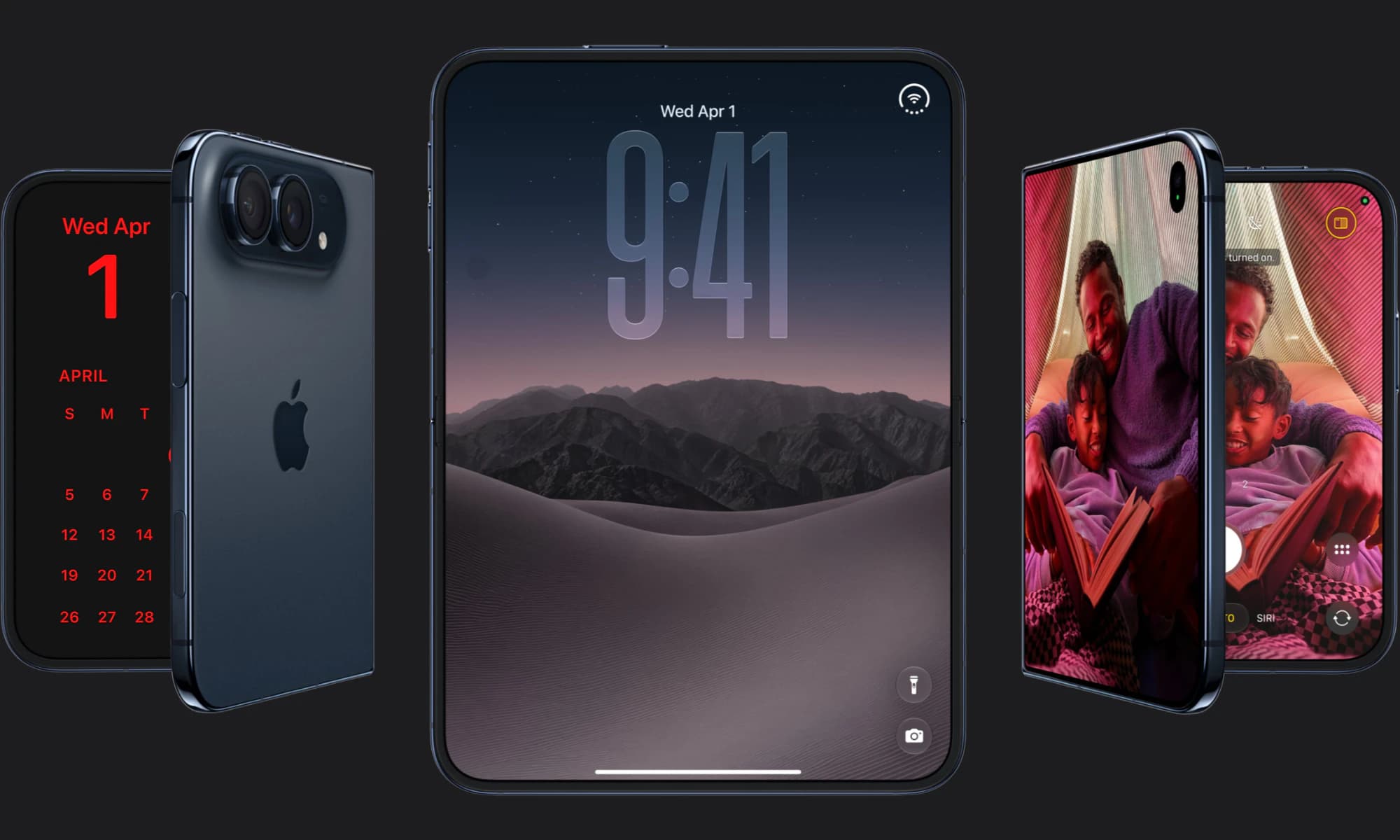
Apple has finally joined the foldable party after seven years, but was it right to wait?

iOS 27 is here! Check out key features and whether your iPhone is compatible.

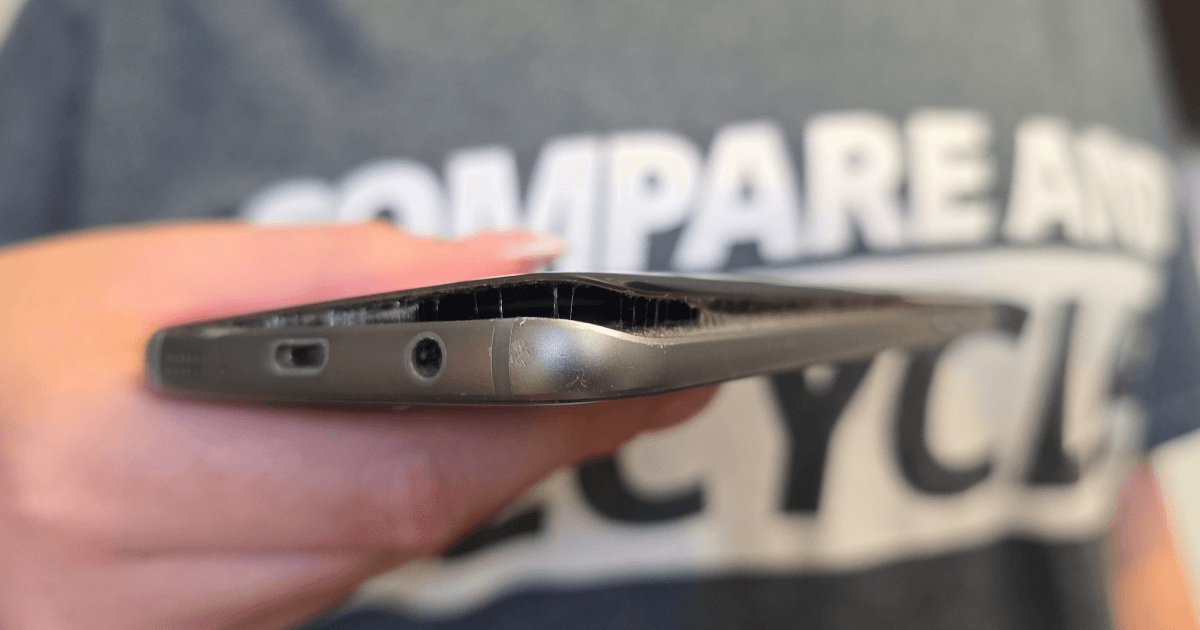
Storing old phones isn’t as harmless as it seems. Here’s why it’s worth digging out your old phone to avoid a hazardous situation.