0330 123 4609
Menu
Discover the phones that take the best low-light and night photos.

Written by Sneha Kashyap, Content and PR Executive | Conscious Consumption and Tech Trends
Last updated on 11 December 2025
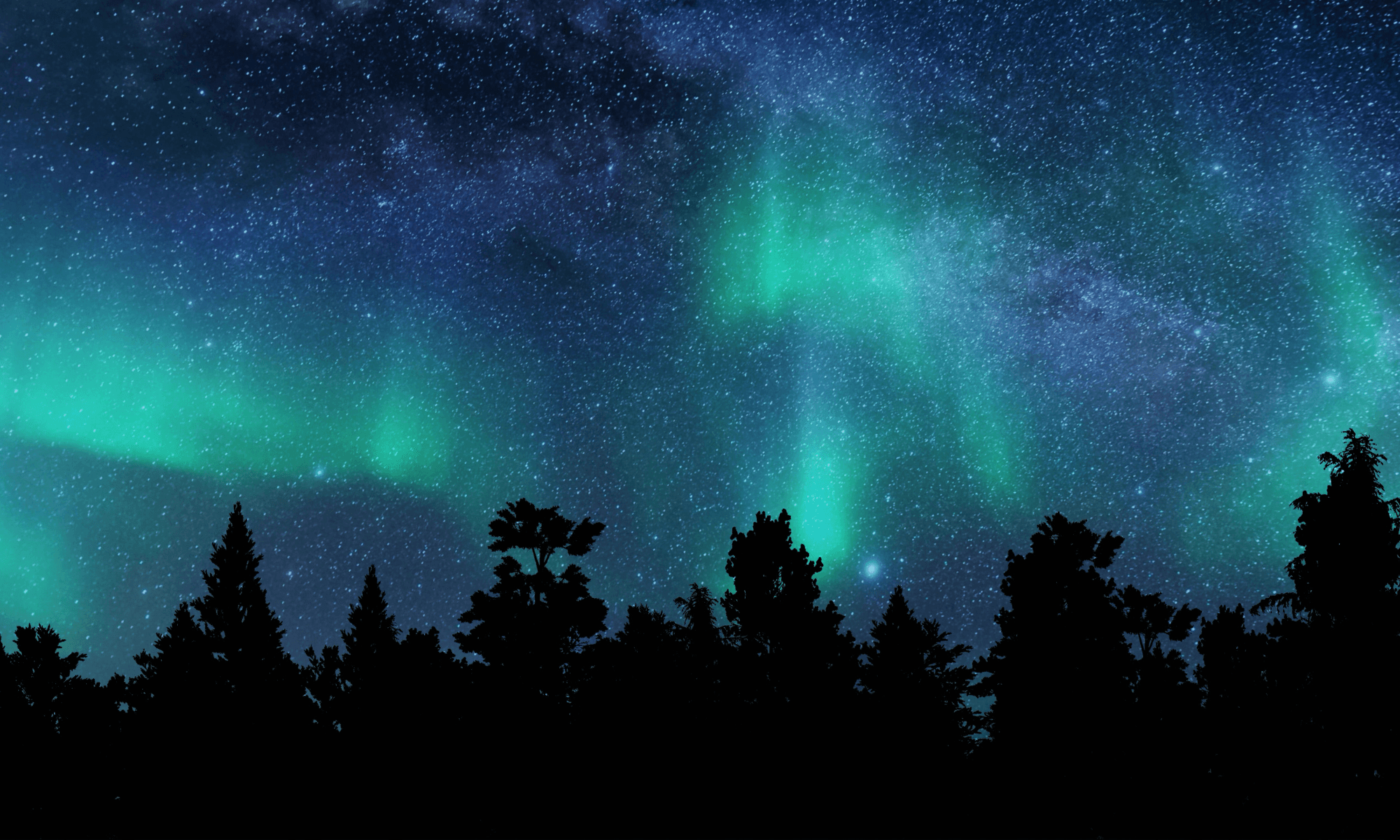
Capturing the beauty of a star-filled night sky can be a challenge for even the most skilled smartphone photographers. Low light, motion blur, and digital noise often get in the way of that perfect shot. That’s why choosing one of the best smartphones for night photography can make a world of difference. However, with so many devices boasting “AI-powered cameras” and “pro-grade sensors,” it can be challenging to determine which ones truly deliver when the sun goes down.
In this guide, we’ll walk you through our top picks for 2025 - each proven to capture stunning night and astrophotography shots.
Samsung Galaxy S25 Ultra - King of Low-Light Photography
Apple iPhone 17 Pro - Effortless Night Mode Magic
Google Pixel 10 Pro - The AI Photographer’s Dream
Vivo V60e - Affordable Brilliance for Night Shooters
Honor Magic 8 Pro - Bright, Balanced, and Beautiful
Xiaomi 17 Pro Max - Versatile Night Vision Powerhouse
Perfect for: Cityscapes, astrophotography, and handheld low-light photography.
Samsung’s latest flagship takes low-light photography seriously. The Galaxy S25 Ultra packs a powerhouse camera setup, headlined by a 200 MP f/1.7 main lens with optical image stabilisation (OIS) - Samsung’s brightest and most detailed sensor yet. It’s joined by a new 50 MP f/1.9 ultra-wide camera, a 50 MP f/3.4 5× periscope telephoto, and a 10 MP f/2.4 3× telephoto. Together, they create one of the most versatile and capable smartphone camera systems available, especially when the sun goes down.
Credits: Brandy Firecracker Dean
Night photography is where this phone really shines. Its upgraded AI ProVisual Engine uses deep-learning algorithms to reduce noise and enhance colour accuracy in low light, resulting in cleaner, punchier night shots. Unlike iPhones - where Night Mode activates automatically - Samsung gives you the freedom to toggle Night Mode manually, which means you stay in control of every capture. It even works with Portrait Mode, producing beautifully lit night-time portraits that retain detail without blowing out highlights.
This latest Android phone from Samsung isn’t a huge leap over last year’s model, but it refines an already winning formula. The new ultrawide sensor delivers noticeably better shadow detail, and AI-assisted processing continues to give Samsung an edge for night cityscapes and low-light portraits alike.
Night Mode Settings
Open Camera → Night (moon icon) to toggle manually.
Tap the exposure slider to extend capture time in darker scenes.
For best results, shoot with the main 200 MP lens in low light.
Perfect for: Portraits and handheld low-light shots with natural colour balance.
The Pro model on Apple’s latest iPhone 17 series brings an intuitive and powerful low-light camera experience than ever before. All three rear cameras are high-resolution 48 MP Fusion sensors, letting the phone capture more texture and richness in dim scenes - you’ll notice better shadow detail and smoother tone transitions even when the lighting isn’t ideal. It’s not just about raw resolution: the wider ultra-wide lens and telephoto lens (up to a 200mm equivalent) provide creative flexibility for night scenes, whether you’re capturing sweeping cityscapes or candid portraits in ambient light.
Credits: Andrew Lanxon/CNET
What truly makes it shine after sunset is the software union behind it. Apple’s Photonic Engine, Smart HDR 5, and advanced neural-processing layer work together to reduce noise, preserve natural colours, and retain subtle detail in the darkest parts of the frame. On the front, the 18 MP Centre Stage camera expands its field of view and adapts automatically depending on how many people are in frame - a boon for group selfies or low-light ambient portraits.
Beyond specs, there are thoughtful touches for night-shooting: the telephoto’s larger sensor (56 % bigger than the last generation) helps with reach in darker conditions, and the A19 Pro chip’s improved performance means faster processing and better stabilisation when capturing handheld after dark.
Night Mode Settings
Open the Camera app → Night (moon icon) if it hasn’t turned on automatically.
Choose the main (1×) lens for best low-light results; switch to telephoto only if you have some light.
Tap the exposure/exposure-time slider and increase duration for very dark scenes.
Hold the phone steady (or use a surface/tripod) until the capture completes.
For night selfies or group shots, use the front camera and ensure the scene is lit well enough for the wider field of view to help.
Perfect for: Astrophotography, street scenes, and long-exposure creative photography.
Credits: Wong Chun Wai
The Pixel 10 Pro brings a compelling blend of hardware and intelligence that really shines when the lights go out. From the ultra-wide lens to the 5× telephoto, every camera in the setup has been tuned for low-light situations — giving you broader creative freedom for night landscapes, street scenes or even astrophotography. What stands out is the way it uses its high-resolution sensors and Google’s computational photography tools to produce night shots that feel both rich and natural. According to Google,
The revamped Night Sight mode now handles long exposures and merges multiple frames via AI for “studio-quality” night photos.
On the software side, the phone brings an impressive suite of AI-powered assistive features such as Camera Coach, Pro Res Zoom (up to 100× digital) and refined noise-reduction algorithms. These tools mean you don’t just get a better sensor, but smarter processing, which is especially helpful when you’re shooting handheld at night.
Whether you’re capturing ambient city lights, a group selfie at dusk (the front camera is equally capable), or even starry skies with the astrophotography mode - the Pixel 10 Pro makes night-time photography feel less about compromises and more about possibility.
Night Mode Settings
Open the Camera app → tap More → select Night Sight (moon icon).
If the screen offers an exposure slider or “Time” option, increase it in very dark scenes.
Use the main (1×) lens for best results; switch to ultra-wide or zoom only if you have some lighting.
If you’re shooting the Northern Lights, or for astrophotography in general, use Night Sight and allow the phone to capture the longer burst of frames.
Perfect for: Budget-friendly astrophotography and handheld night street photography.
Image Credits: MythicalAce/Reddit
The vivo V60e offers an unexpectedly strong night-photography toolkit for its price point, making it a tempting option for anyone chasing great low-light shots without spending flagship money. At its heart is a 200 MP f/1.9 main camera with optical image stabilisation (OIS) - a large sensor that captures significantly more light and detail in dim settings than many mid-range rivals. On top of that, you’ll find an 8 MP ultra-wide lens, and a 50 MP Eye-AF selfie camera, both tuned to support creative low-light shooting and group selfies under ambient lighting.
What sets the V60e apart is how it mixes strong hardware with smart software features aimed at improving low-light outcomes. For example, Vivo has introduced an AI Aura Light Portrait 2.0 system which uses dual physical lights and AI-driven fill lighting to help subjects stand out even when surrounding light is weak. Then there’s the Multi-Focal Portrait System on the rear camera, giving you the option to choose different focal lengths (such as 85 mm close-up, 50 mm standard, 23 mm wide, and 35 mm street) so you can tailor your night-shots, whether you’re isolating a detail or capturing a group under city lights. These extras mean you’re not just getting better hardware, but tools that help you use it smartly after dark.
Night Mode Settings
Open the Camera app → Night mode (or Low-Light) to manually engage the low-light capture.
Use the main 200 MP lens for best detail in dark scenes; switch to ultra-wide only if you have enough light.
Enable AI Aura Light Portrait if taking subjects at night—to aid fill-light and keep skin tones natural.
Perfect for: Crisp star photos and low-light landscapes.
The Honor Magic 8 Pro brings serious ambition when the sun goes down. With a 50 MP main camera (f/1.6) supported by optical image stabilisation and a large 1/1.3″ sensor, it’s built to gather more light and reduce blur in low-light settings. Alongside this is a 50 MP ultra-wide (f/2.0) and a standout 200 MP periscope telephoto (f/2.6) with 3.7× optical zoom and up to 100× digital zoom—all of which adds creative options for night scenes, from sweeping cityscapes to zoom-in details.
Credits: SaltyNewsNetwork
What elevates it further is its smart software and AI enhancements which allow for ultra clear night scenes. For instance, the phone features an Adaptive AI Stabilisation feature to keep handheld shots crisp - even when you’re zooming in at night. Honor also touts its new Magic Colour AI engine and imaging system that optimise colour fidelity and dynamic range in dark conditions. For a photographer who often shoots after dusk, the Magic 8 Pro delivers a compelling mix of hardware and intelligent processing to help make night-time shots look usable and vivid.
Night Mode Settings
Open Camera → Night (or look for “Ultra-Night” mode).
Use the main 50 MP lens for best low-light clarity; consider telephoto only if you have a stable support.
For zoomed night shots, enable AI Adaptive Stabilisation and hold the phone extra-steady or use a tripod.
Tap the exposure/time slider and extend duration in very dark settings — keep the phone still while it captures.
Perfect for: Astrophotography and creative night sky compositions.
The Xiaomi 17 Pro Max brings a bold upgrade to night photography, blending premium hardware, refined optics, and smart Leica-tuning. At its heart is a triple 50 MP rear camera array: a main wide lens built around the Light Hunter 950L sensor, a 5× optical zoom periscope telephoto, and a 102° ultra-wide angle. What this means in practice is that when the light drops, you have more flexibility - whether you’re shooting Northern Lights with the ultra-wide, zooming into architectural detail with the telephoto, or relying on the main lens to soak up as much light as possible. The Leica optics and large sensor help maintain clarity and colour even after dusk.
Credits: Nillkin Mall
Where the 17 Pro Max stands out for night-shooting is in its advanced imaging pipeline and feature set. For example, the main camera supports laser autofocus and a colour-spectrum sensor to better handle tricky light situations. And for video or creative photography after dark, it offers 8K video recording, 4K up to 120 fps, and full LOG/10-bit Dolby Vision support—so even low-light scenes get captured with richness and flexibility. This combination of night photography features makes the Xiaomi 17 Pro Max well-equipped for handling noise, detail, and low-light colour.
Night Mode Settings
Open Camera → Night / Super Night mode.
Use the main (1×) wide lens for best low-light detail; switch to ultra-wide or telephoto only if there’s enough ambient light.
For zoomed night shots, engage the 5× optical telephoto and keep the phone very steady (or use a tripod).
Tap on the exposure/time slider if present to increase capture duration in darker scenes.
So there you have it - the best smartphones for night photography in 2025. Whether you’re capturing the Northern Lights, city skylines, or late-night portraits, these phones deliver professional-level results right from your pocket.
If you’re planning to upgrade, don’t forget to recycle your old phone. It’s a simple way to reduce waste, support sustainability, and earn some cash back while upgrading to a model that captures the stars.
iOS 27 is here with a host of hidden tools, smarter AI, and useful upgrades. Could it change how you use your iPhone?
Apple has finally joined the foldable party after seven years, but was it right to wait?
iOS 27 is here! Check out key features and whether your iPhone is compatible.