0330 123 4609
Menu
The EU’s 2027 battery rule sounds simple, but hidden details could reshape smartphones and how long they last.

Written by Sneha Kashyap, Content and PR Executive | Conscious Consumption and Tech Trends
Last updated on 6 May 2026
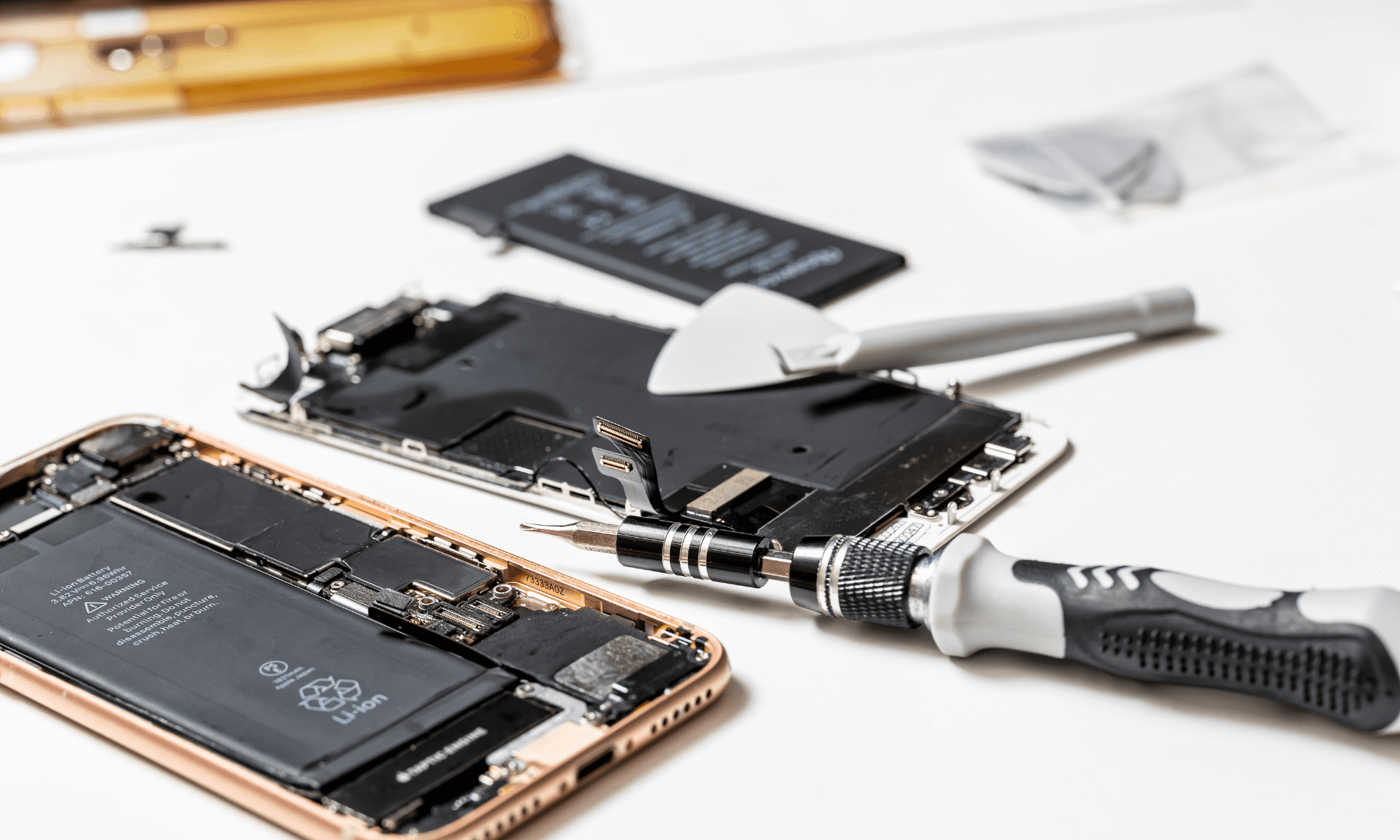
The European Union is set to reshape the consumer electronics market with its upcoming 2027 replaceable battery law. Designed to reduce electronic waste and improve product longevity, the EU’s latest regulation will soon require phones to include batteries that can be easily replaced by users.
But, how does this really impact how we use our phones? Will manufacturers still be able to deliver the sleek design of the latest smartphones while incorporating replaceable batteries? In this article, we answer these questions and more.
This new EU legislation is part of a broader push on tech sustainability and requires all portable devices, such as mobile phones, to include user-replaceable batteries by 2027. And not just any replaceable batteries, but specifically ones that you can replace yourself without any professional assistance or tools.
We’re not necessarily looking at a resurgence of retro tech with the swappable batteries in the early 2000s. The exact mechanism for battery replacement is yet to be laid out. Nevertheless, the key thing to note is that the law clearly states that performance must continue as normal after the battery swap. Furthermore, the new law dramatically pushes longevity - something that manufacturers have cleverly dissuaded consumers from - as it requires replaceable batteries to be offered for at least five years after a model is discontinued.
The EU’s push on replaceable batteries is driven primarily by its Circular Economy Action Plan, which aims to cut down e-waste and achieve climate neutrality by 2050. It has already made progress on this front, starting with the 2024 Common Charger Directive, which requires all portable electronics, such as phones, tablets, and cameras, to be chargeable via USB-C cables. It’s been estimated to reduce 980 tonnes of e-waste per year, therefore, the law has been expanded to laptops since April 2026.
The move also seeks to empower consumers so they don’t have to rely on expensive repairs or upgrades, thereby making Right to Repair substantially more tangible. On the flipside, the law seeks to hold manufacturers accountable for delivering on the promise of sustainability by making phones more modular, durable, and recyclable.
This latest regulation across the Continent is yet to fully penetrate our neighbour across the pond. American smartphone giant, Apple, apparently, is a cut above the law, which only applies to batteries that fail to maintain 80% capacity after 1,000 cycles.
Given that Apple’s products since the iPhone 15 meet the requirement, the iPhone seems to be the notable exemption from the rule. Meanwhile, newer Androids such as the Galaxy S26 Ultra and Nothing Phone 4a Pro also hold up to 1,200 and 1,400 cycles, respectively. Similarly, where safety or waterproofing is at risk, professional assistance may still be required. As such, it appears that the new law is not as all-encompassing as it first seemed.
The Brussels Effect certainly raises a thought-provoking question: will the EU replaceable battery law become the global norm? If repairable design becomes the standard across markets, then users outside the EU could benefit from the changes, even without local legislation.
This brings us back to the beginning: what should you do for now? Take care of what you already have by protecting your phone’s battery. This applies even if you’re upgrading your phone. If it’s the latter, you should also keep in mind some things as the tides of change are set to sweep across the smartphone market.
Check repairability scores before buying (these are becoming more common in the EU).
Consider holding onto devices longer if battery replacement becomes easier.
Look for brands that provide official battery replacement kits.
Avoid unnecessary upgrades as battery swaps may soon be a viable alternative.
As always, remember to trade in your old phone once you’ve upgraded. It keeps the circular economy going, which is exactly what this law is about. Plus, you get to earn some cash back for doing the right thing with your old phone.

Apple has finally joined the foldable party after seven years, but was it right to wait?

iOS 27 is here! Check out key features and whether your iPhone is compatible.

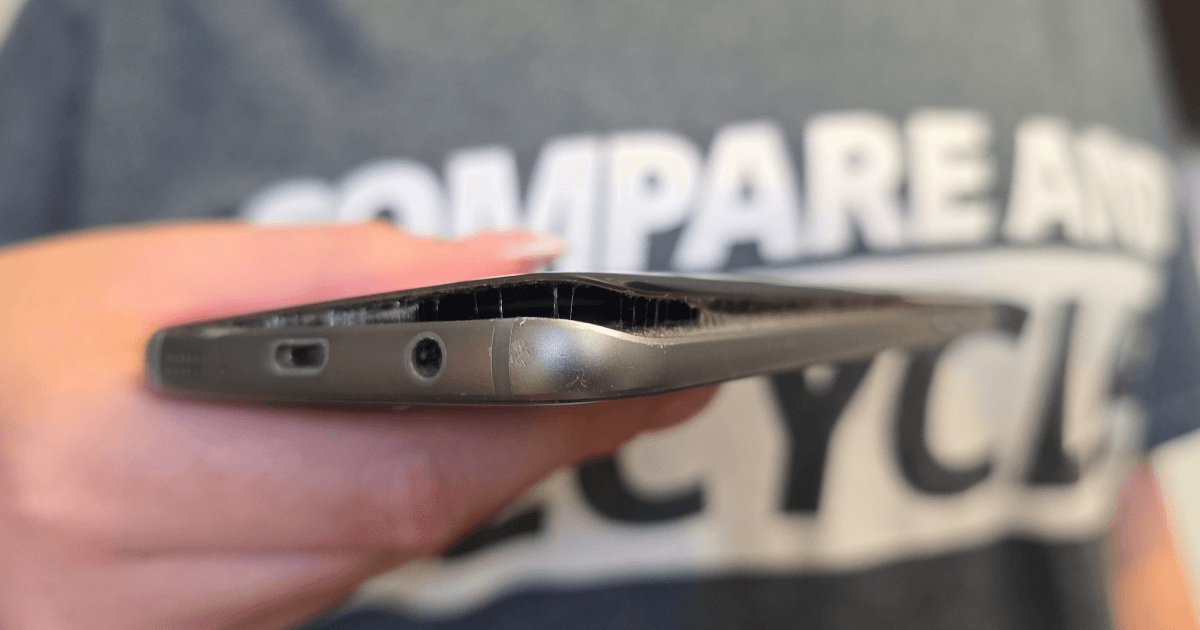
Storing old phones isn’t as harmless as it seems. Here’s why it’s worth digging out your old phone to avoid a hazardous situation.