0330 123 4609
Menu
Thinking about insuring your phone? Learn what it actually covers and if you really need it before you press buy.

Written by Sneha Kashyap, Content and PR Executive | Conscious Consumption and Tech Trends
Last updated on 23 July 2026

Every year, smartphones are becoming increasingly expensive. Considering that for many of us, our phones are the most valuable item we carry every day, it’s scary to think how easily they can be damaged, or worse, stolen. This is where mobile phone insurance comes in.
In this blog, we’ll look at how phone insurance works, how much it costs, whether it’s included in your home insurance package, and how to tell if you actually need it.
Just like any insurance policy, phone insurance is essentially insurance cover for your phone in case it’s damaged, lost, or stolen. So, for instance, if you were in an accident and your phone gets damaged, your phone insurance provider will cover the cost of the repair or provide you with a replacement phone.
You can get phone insurance from your network provider, your manufacturer, such as Apple or Samsung, phone retailers, the bank, as well as specialist insurers. Regardless of who you decide to buy the insurance from, you will need to pay a monthly premium, and you only need to pay the excess when you make a claim. The exact cover varies by provider, but typically, phone insurance protects you against theft, accidental damage, and other common mishaps.
Depending on who you go with, phone insurance can cost anywhere between £3-£6 to £20+ per month for phones with RRP of £300 to £800+. Typically, prices will depend on how expensive your phone is and the level of cover you go for. Factors like excess cost and claim limit will also affect your insurance cost. If you want features like worldwide coverage, the price will tend to be higher than a basic policy.
Here’s a breakdown of some of the most popular phone insurance options on the market right now:
| Provider | Typical Monthly Cost | Excess (Approx.) | What's Included |
|---|---|---|---|
| Samsung Care+ | Up to £11.49 | Up to £115 | - Unlimited repairs for accidental damage (excluding cosmetic damage) - Theft & Loss (2 claims/year) - Worldwide cover - Walk-in repair at local store - Battery replacement subject to diagnostics testing confirming <79% battery capacity. |
| Pixel Care+ | £4.49 to £13.99 | £39 to £159 | - Accidental damage - Next day replacement - Theft & Loss cover |
| O2 Insure | £3 to £6 | from £10 | - Accidental damage - Theft & loss cover - Next day replacement - Phone/online claims - Worldwide cover - Lost/broken O2 accessories |
| Vodafone Insurance | £2 to £18 | £25 to £150 (depending on device tier) | - Accidental damage - Device eligibility limited (<37 months) - Worldwide cover - Manufacturer-approved parts - Accessories cover |
| Nationwide FlexPlus | £18 | £30 to £100 | - Phone Accessories - Phone/online claims - Theft & Loss (4 claims/year) - Unauthorised network charges - High-value phones |
| Insurance2go | From £1.99 | £25 to £150 | - Theft & Loss cover - Liquid Damage - Accidental damage - Worldwide cover - E-Wallet Payments |
Prices correct at the time of writing
While the exact contents of the cover depend on your insurance provider, most policies protect against common mishaps that could leave you without a smartphone.
Accidental Damage
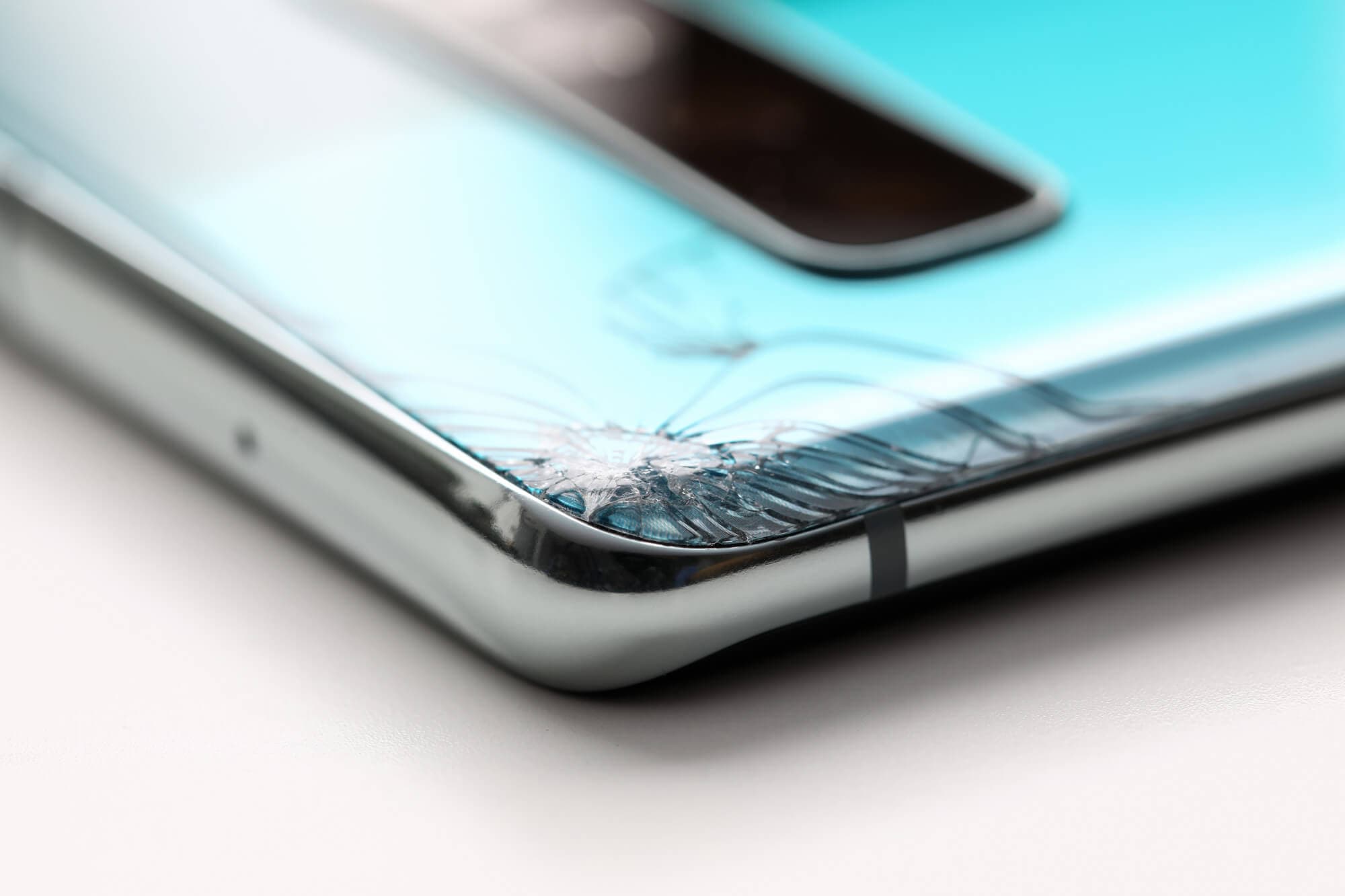
If you accidentally drop your phone and have insurance for it, your provider will cover the cost of repairing any scratches or cracks to your screen as well as damage to internal components.
Liquid Damage
Most phones nowadays come with an IP68 rating, but if there is any damage to your phone after you’ve spilled a drink or accidentally dropped it in water, your provider will cover it.
Credits: Repair Express
Theft
If your phone gets stolen, you must report it immediately to the police and your insurance company as they will issue you a replacement phone in the meantime.
Loss
Depending on your insurer, you may be covered if you lose your phone. However, this will likely increase your monthly cost.
Mechanical Breakdown
In addition to the manufacturer's warranty, some insurance policies also offer protection if your phone develops a fault. However, there are exceptions, such as everyday wear and tear, cosmetic damage that doesn’t affect functionality, and damage caused by unauthorised repairs. You will also be exempt from the cover if you’ve left your phone unattended in public spaces.
In most cases, your phone is already covered if you have a home insurance policy. But, it only applies to certain conditions, one of which is that your phone is only covered while it is inside your house. So, for example, if your phone was stolen during a break-in, you can make a claim. If you want your phone to be covered outside the house, you may need to add a personal possessions cover. You can include any valuable items in this, such as jewellery, laptops, accessories, etc.
Overall, home insurance seems like a better option due to its comprehensive coverage. However, you must consider a few things. You could be paying over a hundred pounds in excess if you make a claim, and this could increase your premiums in the future. If you have a very expensive phone, such as the latest Galaxy S26 Ultra, you may need to list it separately on the insurance.
As with most things, there are certain advantages as well as downsides to having insurance for mobile phones. Before you take out a policy, you should be aware of these so you can weigh out your options.
Financial protection
Smartphone repairs usually cost a lot, especially if you need a screen replacement. With insurance, you’ll often end up paying only your excess which in comparison is next to nothing.
Cover for theft or loss
With phone insurance, you can have a dedicated policy that covers you in cases that might not be included in home insurance.
Peace of mind
Phone prices have skyrocketed recently, and you’ve probably paid a premium if you have the latest iPhone 17 or similar. With insurance, at least you don’t have to constantly worry about losing or damaging it.
Quick replacements
One of the best things about phone insurance is you’ll usually get replacements in a few days, rather than have to spend anxious hours trying to locate part suppliers or finding a spare phone to use in the meantime.
Credits: Metro by T-Mobile
Monthly costs add up
While phone insurance can seem cheap at outset, over time, it could easily exceed the actual cost of your phone.
Excess fees
As with all insurance policies, you will still need to pay an excess every time you make a claim. While this might not seem like a lot, if you’re a clumsy person a few claims per year will add up quickly.
Policy restrictions
Depending on who you go with, you might not be covered for certain types of damage or loss. So, in the end, you could end up paying a lot more as it would be an addition to your monthly costs.
Not always necessary
If you’re using a budget or mid-range phone, insurance isn’t necessary and you’d be better off saving the money.
Whether you need phone insurance or not ultimately comes down to how you use your device, how much it’s worth, and how comfortable you are with potential repair or replacement costs.
If you have a very expensive phone and/or tend to lose or drop it frequently, we’d recommend getting it insured. Not only will it give you peace of mind, but it can also mitigate the cost of having to replace your phone outright.
That said, insurance isn’t always the best option for everyone. If you have a budget phone or rarely lose/drop your phone, you’re better off keeping the money you might spend on insurance, especially since the monthly cost adds up over time.
In the end, if you do decide to take out a policy, make sure you read between the lines to see what’s actually covered. Even though on the surface, they might seem more or less the same, phone insurance isn’t a one-size-fits-all-option. You need to weigh up the cost versus the risks. We’ve covered all the information you need in this blog so you can make an informed decision.
Yes. Many providers offer family or multi-device policies. Providers such as Protect Your Bubble and Insurance 2 Go allow cover of up to 10 immediate family members living at the same address, making them a practical option for families travelling together.
Look beyond the monthly premium and compare:
Whether worldwide cover is included
The policy excess
Claim limits
Cover for accidental and liquid damage
Whether theft, loss and unauthorised calls are included
Any exclusions relating to unattended devices or high-risk activities.

iOS 27 is here! Check out key features and whether your iPhone is compatible.

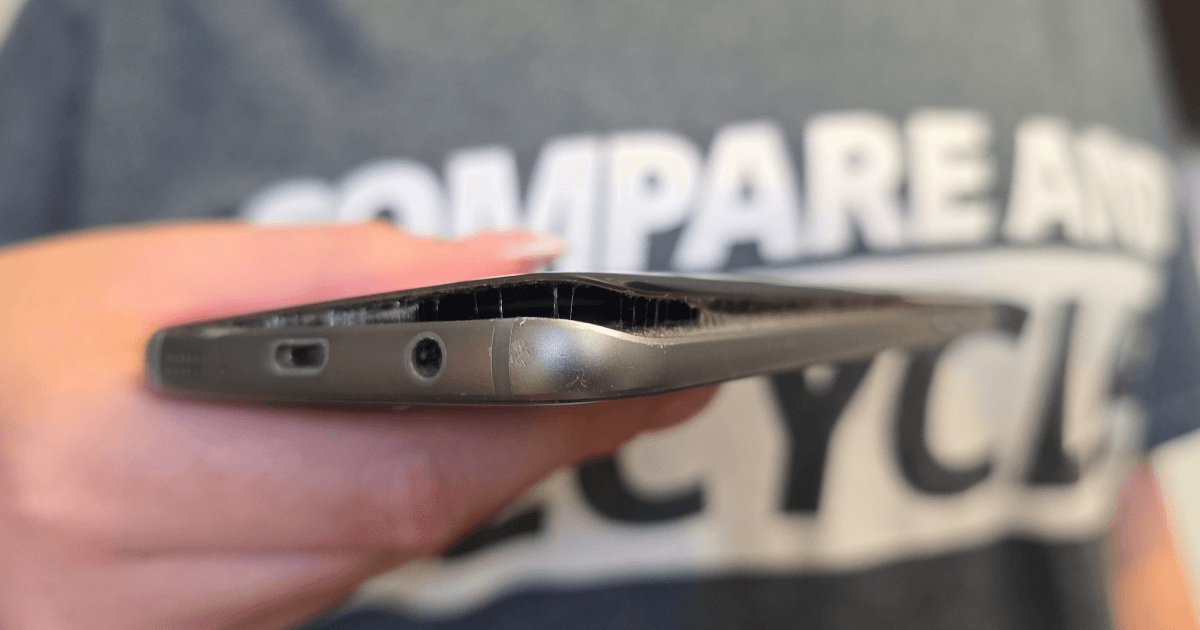
Storing old phones isn’t as harmless as it seems. Here’s why it’s worth digging out your old phone to avoid a hazardous situation.

In this first part of our Holiday Mode On series, we’ll cover essential accessories you need to pack to protect your phone from mishaps when on holiday.