0330 123 4609
Menu
That quick glance at your phone while driving could cost more than you think… but the real consequences might surprise you.

Written by Sneha Kashyap, Content and PR Executive | Conscious Consumption and Tech Trends
Last updated on 1 May 2026
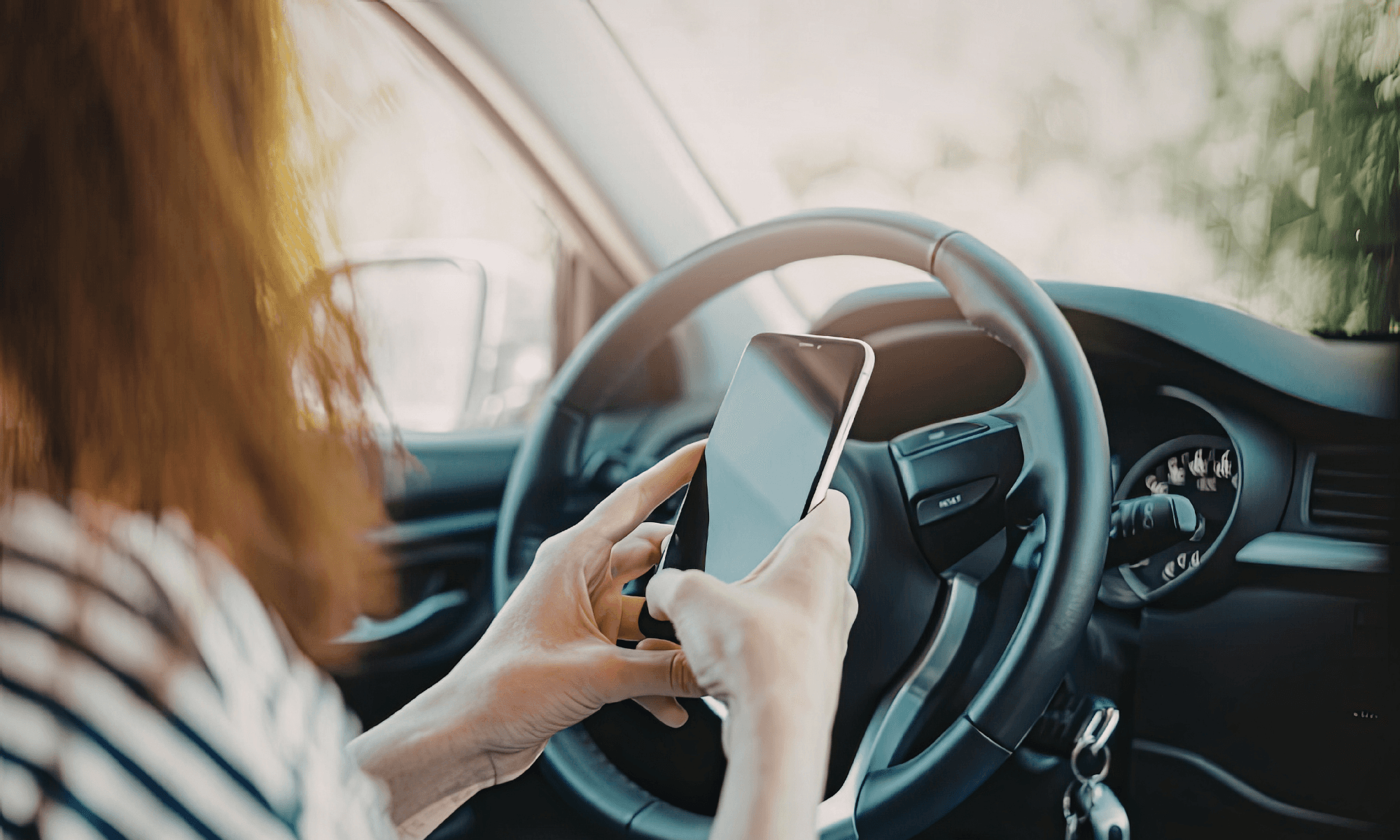
UK laws on using mobile phones while driving have just gotten stricter, so if you’re in any doubt about how to use your phone while in your car, now would be a good time to pay attention. Fortunately, you don’t have to spend hours tracking down what legislations exist on the subject.
In this guide, we break down everything you need to know about what’s illegal, what’s allowed, and the penalties you could face if you break the law.
In the UK, it is illegal to use a hand-held mobile phone or a similar device while driving. This applies whether you're:
Driving on any public road
Stopped at traffic lights
Sitting in traffic
Supervising a learner driver
The law was strengthened in March 2022 to close loopholes. Now, “using” a phone and holding it in your hand includes almost any interaction, not just calls or texts.
You are breaking the law if you hold and use your phone to:
Text or call
Check notifications
Pause or play music and scroll through playlists
Use apps, maps, or social media
Take photos or videos
Even if your phone is in flight mode or offline, the law still applies.
In the UK, handheld use of a phone is completely prohibited while driving. This applies whether you’re in traffic, stopped at lights, or your engine has a stop-start technology. However, you are permitted to use hands-free devices such as Bluetooth headsets, voice assistants like Siri, as well as dashboards and windscreen mounts.
However, there’s a catch: if your use of hands-free devices affects your driving, you could still be prosecuted for careless or dangerous driving.
There are only a handful of situations in which you can legally use a handheld phone while driving. This includes:
Emergency calls (999 or 112) when it’s unsafe to stop
When safely parked with the engine off
Contactless payments in a stationary vehicle (e.g. drive-through)
Remote parking apps for manoeuvring your car
Outside of these situations, using a mobile phone while driving is illegal.
Driving penalties in the UK are quite strict and can have long-term consequences. You could land a £200 fixed penalty and 6 points on your license. If you’ve passed your test in the last 2 years, a 6-point penalty means you’ll lose your driving license. Because it is revoked, not suspended, you will have to pass your theory and practical tests again to regain your licence.
If there’s a court case, you could be fined up to £1,000 (£2,500 for bus and lorry drivers). What’s worse, you could be banned from driving altogether.
Using a phone while driving is one of the biggest causes of distracted driving. This is why the UK has stringent laws about using your phone while driving. And the law is not without scientific claims to back it up. Research shows that drivers using phones are up to four times more likely to be involved in a crash.
Even hands-free use isn’t risk-free, as mental distraction can reduce your reaction time and awareness, which is similar to drink-driving levels in some cases.
Given how strict driving laws are in the UK, it’s best to clear any doubts about using your phone, for your own safety as well as that of others. Below are some of the most commonly asked questions on the subject:
Yes, you can touch your phone while driving if it’s in a mount/holder. However, it must be securely mounted, and you must not hold it as UK law strictly prohibits holding a device while driving. The only exceptions are brief/light touches such as accepting a call or changing navigation, which are permitted.
You can use your phone only when your car is securely parked, and your engine is turned off. If your engine is running, you could be prosecuted for using your phone, even if you are in a bay parking or in standstill traffic.
If you are accused of using your phone while driving and the case goes to court, the police officer who charged you will have to offer evidence that can prove beyond reasonable doubt that you were driving and using your mobile at the same time. Currently, this law is being actively enforced as officers use marked and unmarked vehicles to catch drivers in the act, especially at traffic lights. Furthermore, some forces, such as Transport Scotland, are now using AI-equipped cameras to detect drivers using phones while driving. A record 110 drivers were caught using their phones just one week after the law was enforced in Sussex in April 2026.
You can use your phone's satnav as long as it’s hands-free, such as if it’s on a mount. It is illegal to pick up your phone to check for directions, even if you’re at traffic lights.
Here are some tips to make sure you stay safe while driving:
Set up navigation and playlists before driving
Use Do Not Disturb / Driving Mode
Keep your phone out of reach
Use voice controls only
Pull over safely if you need to use your phone
Understanding mobile phone driving laws isn’t just about avoiding fines; it’s about protecting yourself and others. The key takeaway here is that if you need to hold your phone, don’t do it while driving. With stricter enforcement and clearer rules, there’s no grey area anymore, just safer driving habits.
If you regularly drive, your phone setup matters more than you think. Make sure your phone has a reliable voice assistant, especially with the rise of AI in smartphones. Hands-free use will also be much easier if your phone is compatible with Apple CarPlay or Android Auto. Similarly, you should invest in quality mounting supplies to ensure your own safety and that of others.
If your current phone is no longer cutting it, maybe it’s time to upgrade. If that’s the case, we’d definitely recommend getting one with a decent battery, as running out of charge is the last thing you want while on the road. Just remember to trade in your old phone to offset the cost of your new one, and keep the circular economy going.
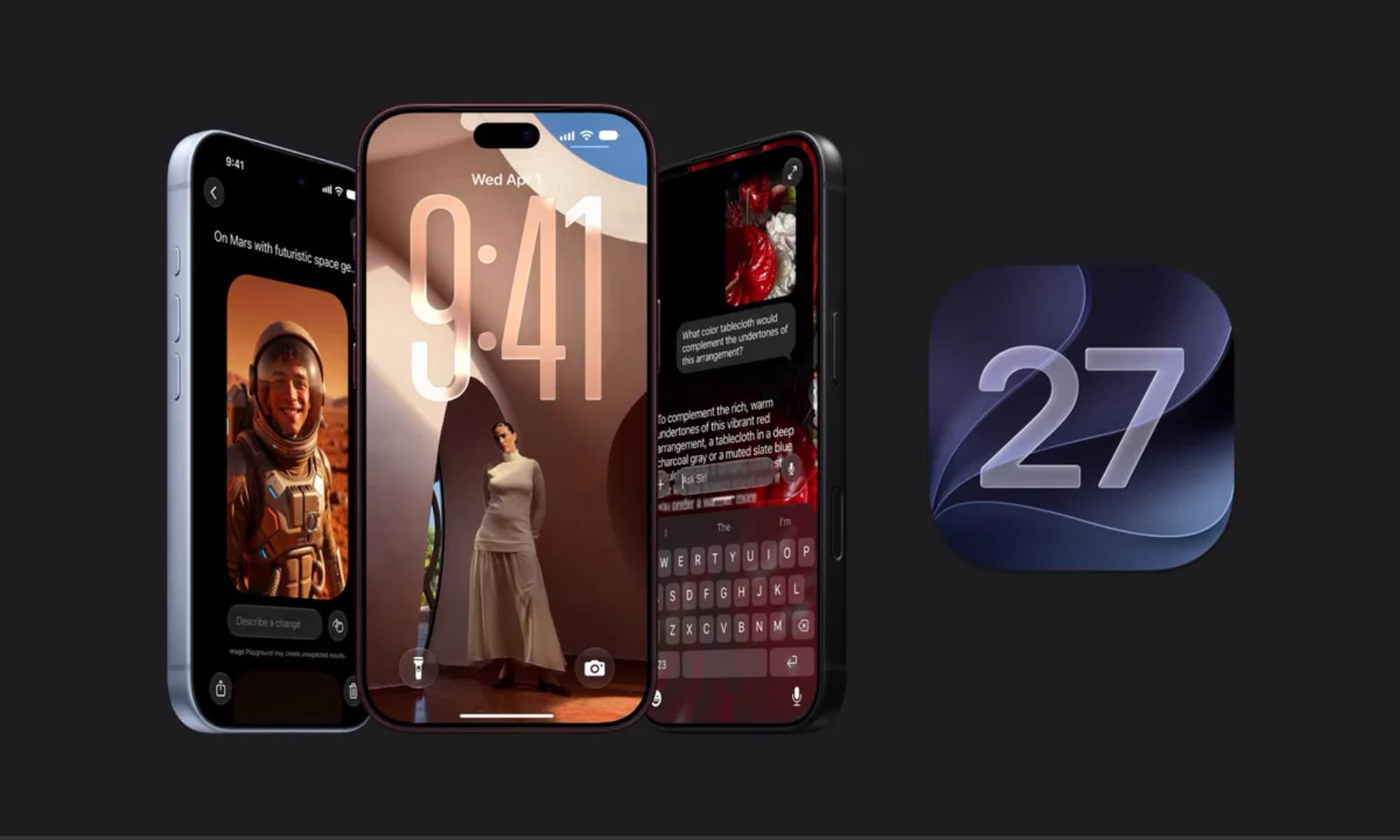
iOS 27 is here with a host of hidden tools, smarter AI, and useful upgrades. Could it change how you use your iPhone?
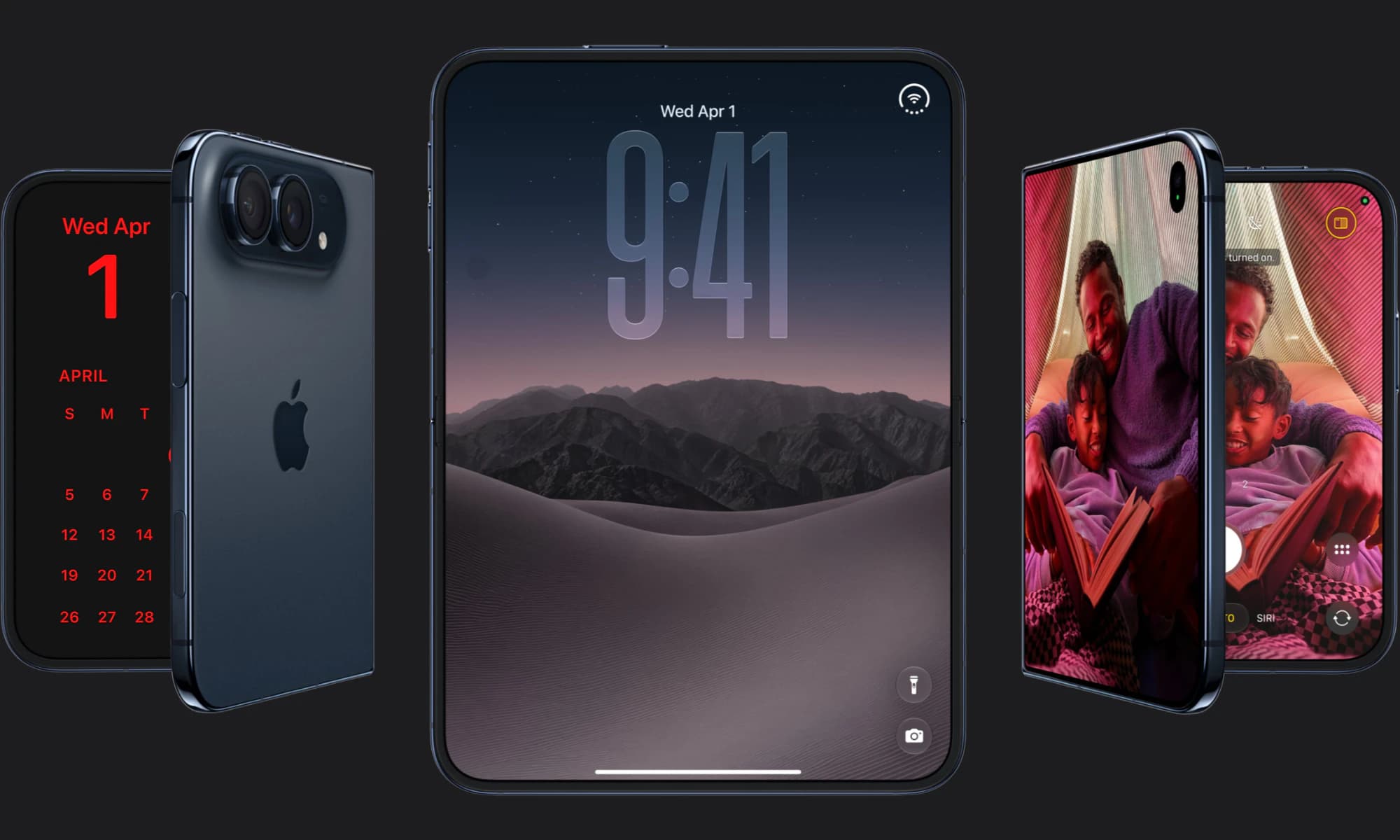
Apple has finally joined the foldable party after seven years, but was it right to wait?
iOS 27 is here! Check out key features and whether your iPhone is compatible.