0330 123 4609
Menu
See which Apple, Samsung, and Google phones hold their value best over the first and second year on the market.

Written by Antonia, Head of Marketing | Consumer Electronics and Money-Saving
Last updated on 23 February 2026
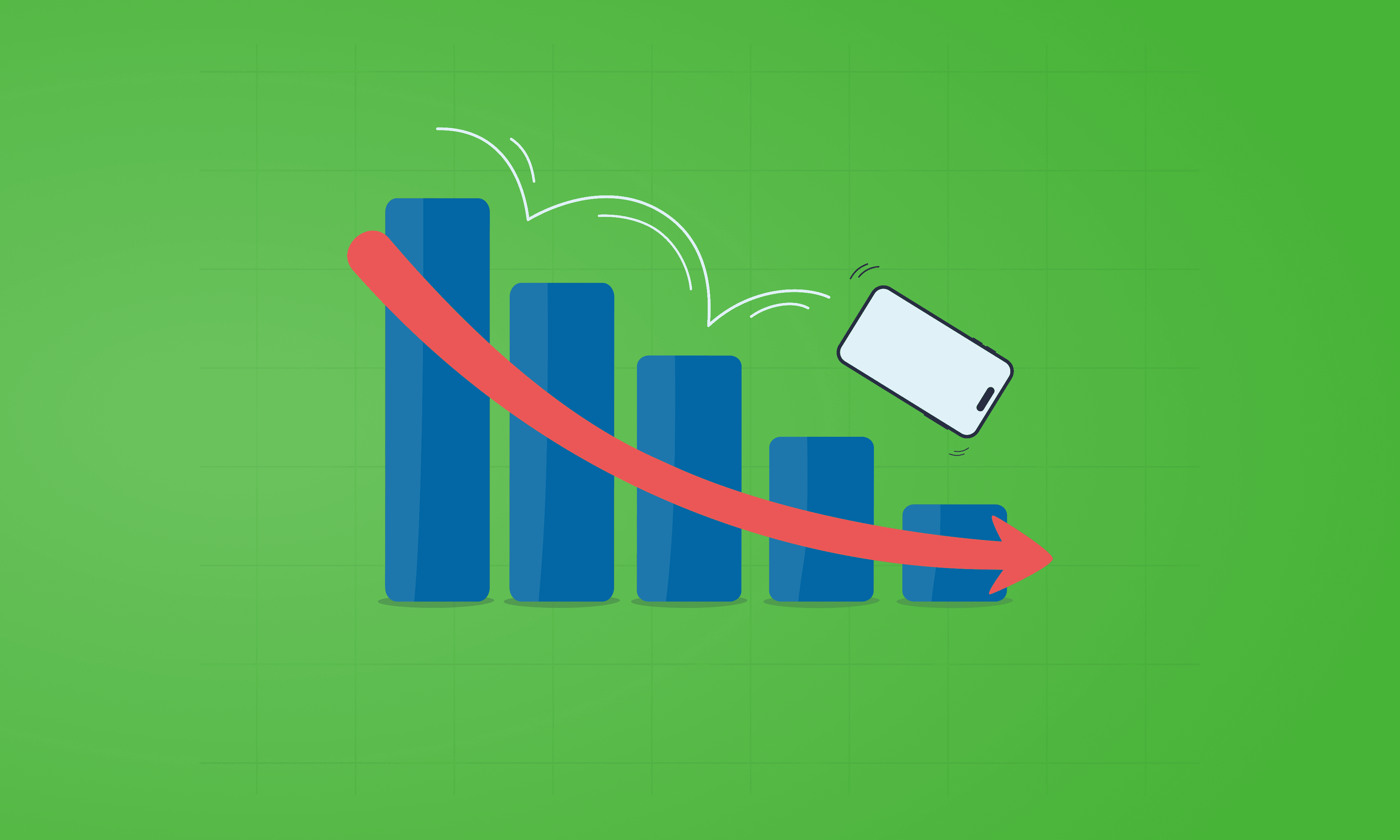
Phones are a depreciating commodity and start losing value from the moment you unbox them. Just like a brand new car loses part of its value the moment you drive it off the dealership floor and start putting some miles on it. Phone depreciation happens to all models and brands over time, but some retain their value better than others.
We’ve looked at our own trade-in price data for Apple, Samsung, and Google flagships and foldables - the most popular trio of phone brands - to determine how fast their phones depreciate, and which ones are the worst and the best at holding their value over the first 12 and 24 months on the market.
Jump to sections:
Our depreciation data reveals that among mainstream smartphones Google’s Pixel A-range has consistently suffered the steepest losses in value over both the first 12 and 24 months mark, while Samsung’s flagship Galaxy S25 series and S23 Ultra models also rank among the worst performers and show large absolute losses (up to £1,000/ $1,350+), reflecting their high launch prices and rapid discounting post-release. Apple’s iPhone, on the other hand, shows relatively better value retention - even its inclusion in the “worst” list still reflects smaller losses compared to Android rivals.
Google Pixel 8a (128GB and 256GB) leads the pack, losing around 70% of its original retail price within just one year.
Pixel 7a (128GB) also performed poorly, dropping 66.6% in value.
Samsung’s premium Galaxy S Ultra models followed closely behind, with Galaxy S23 Ultra 1TB losing 63.4% (or £1,014/ $1,328.34) and several S22 models seeing depreciation between 60% and 62%.
The iPhone 14 Pro 1TB closes the list with a 59.8% loss (or -£986.58/ $1,292.41), which is still high, but notably better than most Android equivalents.
The Pixel 8 Pro (512GB) tops the list with a staggering 78.4% drop (or £924.56/ $1,211.17) after the first two years post-release.
The Pixel 7 Pro (128GB) follows closely, down 77.1%, and several other Pixel variants (Pixel 7, 7a, and 8) continue the trend, all losing over 74% of their value.
The only non-Google device among the “worst performers” over 24 months is Samsung’s Galaxy S22 Plus 5G (512GB), which is 73% down, confirming that even high-end Samsung phones depreciate sharply just in 2 years.
Taking a separate look at the foldables ranges, the depreciation data paints a clear and concerning picture for this category. Across both Samsung’s Galaxy Z Flip and Fold series and Google’s Pixel Fold, these high-priced, innovation-driven devices have proven to be the fastest depreciating smartphones on the market within their first year of release: every foldable model analysed lost at least 57% of its retail value within 12 months, with several models exceeding 80% depreciation.
| Model | RRP | 12-month Depreciation | 24-month Depreciation |
|---|---|---|---|
| Galaxy Z Flip5 512GB | £1,149.00 | -75.95% | -81.10% |
| Galaxy Z Flip5 256GB | £1,049.00 | -75.25% | -79.46% |
| Galaxy Z Fold5 1TB | £2,049.00 | -74.43% | -75.84% |
| Galaxy Z Fold5 256GB | £1,749.00 | -74.34% | -76.79% |
| Galaxy Z Fold5 512GB | £1,849.00 | -74.23% | -77.21% |
| Galaxy Z Fold4 1TB | £2,019.00 | -73.70% | -82.37% |
| Galaxy Z Fold4 512GB | £1,769.00 | -71.71% | -80.88% |
| Galaxy Z Flip3 5G 256GB | £999.00 | -71.69% | -76.00% |
| Galaxy Z Flip4 512GB | £1,199.00 | -71.31% | -79.07% |
| Galaxy Z Flip3 5G 128GB | £949.00 | -70.66% | -77.33% |
| Galaxy Z Fold3 5G 256gb | £1,599.00 | -70.29% | -76.00% |
| Galaxy Z Fold4 256GB | £1,649.00 | -68.78% | -80.66% |
| Galaxy Z Flip4 256GB | £1,059.00 | -68.57% | -80.75% |
| Galaxy Z Flip4 128GB | £999.00 | -67.46% | -81.41% |
| Galaxy Z Fold3 5G 512GB | £1,699.00 | -63.79% | -76.99% |
| Pixel Fold 512gb | £1,869.00 | -59.82% | -80.20% |
| Pixel Fold 256gb | £1,749.00 | -57.09% | -80.13% |
| Average | -69.94% | -79.14% |
Biggest losers among Samsung and Google foldables:
Samsung Galaxy Z Flip5 (512GB) tops the list with a 75.95% value loss (£872.67/ $1,143.19) in the first year on the market.
Galaxy Z Flip5 (256GB) and Galaxy Z Fold5 (1TB) follow closely behind, down 75.25% and 74.43% respectively.
Even the Google Pixel Fold, a newer entry into the foldable space, lost up to 59.8% (£1,118/ $1,464.58) in just one year.
Foldables on average lost 70% of their original RRP within 12 months - 10 to 15 percentage points worse than typical flagship smartphones from the same brands. With RRPs ranging between £949 ($1,243.19) and over £2,000 ($2,620), even average percentage depreciation translates to £1,000+ ($1,310+) in value lost within just one year of ownership.
Notably, because foldables are still in their early generational development, each iteration brings significant hardware and design improvements, making earlier models feel obsolete faster than mainstream smartphones. This makes foldables particularly unappealing for consumers who might not only be prioritising resale value, but would also like to have a phone that won’t fall behind in hardware just 12 months after purchase. The picture might change when Apple launches its first foldable iPhone, but as it stands, foldable phones are currently the worst performers in terms of value retention in the smartphone industry. While they lead innovation and showcase next-generation design, their high upfront cost, durability stigma, and fast-moving upgrade cycles have made them a literal waste of money.
Until foldable technology matures and demand stabilises, consumers should view these devices as high-depreciation luxury tech rather than long-term investments. We advise early adopters to factor in extreme value losses into their upgrade decisions, and perhaps opt in for a refurbished foldable model to avoid steep depreciation.
Our analysis of the depreciation data reveals a clear dominance of iPhones, where Apple's Pro-level iPhones released in 2021 were the kings of value retention, especially in the first 12 months compared to newer iPhone releases.
The top 10 of the best value retaining phones in the first 12 months on the market are held exclusively by the high-end iPhone 13 Pro and Pro Max models, which maintained their value significantly better than any other iPhone or Android models, including their successor lineup from 2022 and 2023. The best non-Pro performer was the iPhone 13 128GB at -33.57% (or £261.50/ $342.56) depreciation. Surprisingly, the Google Pixel 7 128GB fared rather well among iPhones and claimed the last spot losing 41.77% (or £250.20/ $327.76) in 12 months after its release.
While the 12-month data is dominated by the iPhone 13 Pro series, the 24-month data shifts to highlight some newer iPhone models that show strong enduring value, albeit with overall higher losses. The 24-month data is heavily skewed towards the iPhone 15 series. However, looking at it closely, the base iPhone 15 128GB model has outperformed all high end iPhones with RRPs over £1000 ($1,310). Which means they are a much better value for money option over a two-year contract.
We’ve analysed iPhone depreciation extensively and over the past few years iPhones have started to depreciate faster than we’ve ever seen historically. On average, the iPhone 13 series lost 40.09% of its value, the iPhone 14 lineup lost 47.80%, and the iPhone 15 series depreciated by 55.57% in its first year. However, iPhone 16 series depreciation has decreased and averaged at 45.07%.
There is a significant and consistent disparity in value retention between Apple's iPhone and leading Android devices made by Samsung and Google. iPhones consistently retain their value better, resulting in a substantially lower cost-effective ownership for the consumer. Between the two Android makers, Samsung appears to be performing worse in the first year, however that might be due to a larger portfolio of foldable smartphones. From a two-year contract perspective, Google Pixels depreciate the most, reaching on average 75% value reduction.
Comparing iPhones to Samsung or Pixel flagships, iPhones lose value at a significantly slower rate in the first year with often a 10 percentage point advantage per model. Moreover, iPhones show a reduced depreciation rate in the second year on the market as well: losing only an additional 10% on average across base and Pro models. Samsung's depreciation in Year 2 slows down dramatically and matches that of iPhones. Whereas Google Pixels continue to lose value faster - dropping by an additional 21%.
This enduring value of iPhones is driven by Apple's tightly controlled ecosystem, strong brand perception, no product discounts and industry-leading software support, which sustains high demand for used models. For consumers, choosing an iPhone, especially a Pro model for long-term use (2 or more years), effectively means paying a smaller net price over the device's lifespan.
Not all smartphones depreciate at the same pace, but one thing is certain: they all lose value over time. Several interconnected factors influence how quickly a phone’s value drops, from brand reputation and software support to physical condition and market timing. Understanding these drivers can help you make smarter decisions about when to sell your phone or which model to buy next.
Most smartphones lose anywhere between 30 to 70% of their value by the time the next generation is released. In the world of smartphones one year ages the device significantly and the new model release triggers huge value decreases and pushes previous lineups into the “last year’s tech” category. Once new flagships are announced, there's an uplift in upgrades and trade-in activity surges, flooding second-hand phone markets and driving trade-in prices down.
As demonstrated in the depreciation analysis above, brand power alone dictates how well smartphones retain their value over time - iPhones hold their value significantly better compared to premium level devices from Samsung and Google. On top of that, Apple's commitment to offer longer software and security updates helps iPhones to maintain usability for several years and hence the interest among second-hand buyers. This combination of strong ecosystems, customer loyalty, and sustained software performance allows premium devices to depreciate at a relatively slower pace.
Depreciation doesn’t happen evenly, it fluctuates with market supply, demand, and timing. Right after a major product launch, resale prices typically tumble as thousands of users upgrade. Conversely, during high-demand periods such as Black Friday, or Christmas, resale prices may hold firmer. External factors like global shortages, trade restrictions, or currency fluctuations can also temporarily boost or negatively affect trade-in values.
The way a phone looks and performs plays a huge role in its resale value. Cracked screens, worn casings, or degraded batteries can dramatically lower prices. Since lithium-ion batteries lose capacity with each charge cycle, even a well-kept phone may be worth less simply because of reduced battery life. Using a protective case, avoiding extreme temperatures, and replacing damaged components can help preserve value over time.
When we upgrade our phones, it’s easy to toss the old one into a drawer “just in case.” But holding on to no-longer-used devices comes with a real cost - not just to your wallet, but also to the planet. Every month your old phone sits idle, it loses more of its value and contributes to the growing problem of electronic waste.
Smartphones are some of the fastest-depreciating consumer electronics on the market. The longer you wait to sell your old phone, the less money it’s worth.
A phone can lose between 30% to 80% of its value in the first year, and depreciation continues in following years until the phone loses the value completely. For example, a device you've used for 3 years might fetch £300 ($393) if traded right after you've upgraded, or could lose half of what it's worth a year later.
By delaying a trade-in, you’re effectively leaving money on the table. Even if your old phone no longer feels valuable, there’s still a resale market for it. Acting quickly after upgrading and selling your phone to recover the highest possible return, helping offset the cost of your new device.
Beyond the personal financial hit, keeping unused phones tucked away has some serious environmental consequences. Millions of idle phones lose their value quicker than their owners realise and once the trade-in incentive disappears these phones are usually discarded. This contributes to a global e-waste crisis, which is one of the fastest-growing waste streams in the world.
Old phones contain valuable materials such as lithium, cobalt, gold, and copper, which can be recovered and reused. When devices aren’t recycled or traded in, those finite resources go to waste. Worse still, phones that end up in landfills can release toxic substances like lead and mercury into the soil and water, damaging ecosystems and threatening human health.
Trading in your phone helps close the loop: parts can be refurbished for reuse, and materials can be responsibly recycled. Every device that re-enters circulation reduces the demand for new mining and manufacturing, both of which require high amounts of energy and are carbon-intensive processes.
Below are some of the most frequently asked questions we get when it comes to the depreciation of phones.
Yes. New phones start depreciating from the moment they’re unboxed with the biggest drops typically sustained in the first year of release.
To calculate the depreciation rate of a phone, you need to subtract the original retail price of the phone when it was released from the current average resell price, divide it by the original retail price and multiply it by hundred.
You can use the Compare and Recycle website to find out how much your phone’s worth. You can compare offers from trusted buyers all in one place and find the best price for your phone. Simply type in your model name in the search bar and select the storage capacity and condition to see how much money you can get for your used phone.
Depending on a model and brand, smartphones can lose anywhere between 30 to 80% of their value during their first year on the market. Past that, depreciation typically slows down over time and the remaining value can continue to drop over a course of 2-3 years. This difference is crucial as trading early means a higher return on your old phone.
From the moment you unbox your new smartphone, it instantly starts losing value. For models like the Galaxy S25, depreciation started at 53% when it was first launched. Regardless of what model or brand you have, all phones depreciate over time. Value loss is usually highest in the first year, then follows a gradual decline. So the longer you wait to trade in your phone, the more its resale value declines.
Absolutely. You may be surprised by how much value an old phone holds, especially if it’s a vintage model. Even if it doesn’t have historical significance, it’s still worth selling an old phone to a recycler so the precious elements inside it can be repurposed and don’t go to waste.
This report was compiled in February 2026 using proprietary trade-in data to establish a comprehensive analysis of smartphone value depreciation across the three leading manufacturers: Apple, Samsung, and Google. The methodology was designed to ensure consistency and relevance by focusing on real trade-in value, which represents the direct financial return to consumers at the time of trade-in.
Manufacturers Analysed: Apple (iPhone), Samsung (Galaxy S series, Z Fold, Z Flip), and Google (Pixel A-series, Fold, and flagship models).
Timeframe: Trade-in data was collected and analysed for devices released between 2021 and 2025.
Metric: The core metric is Depreciation Rate (Percentage and Monetary Value), calculated at two key lifecycle milestones: 12 months and 24 months after the phone's original market release date factoring the original retail price.
Data: Trade-in prices were tracked by Compare and Recycle, utilising historic real-time price offers from a network of mobile phone recyclers and buyers. To ensure a like-for-like comparison, all trade-in data was strictly filtered to include only prices for devices in “Good” condition and unlocked to be used on any network. This standard typically implies a fully functional device with minor cosmetic wear (e.g., light scratches, no cracks) and a fully working battery. Data was processed using monthly averages of trade-in offers. This approach mitigates volatility from daily price fluctuations and temporary spikes.
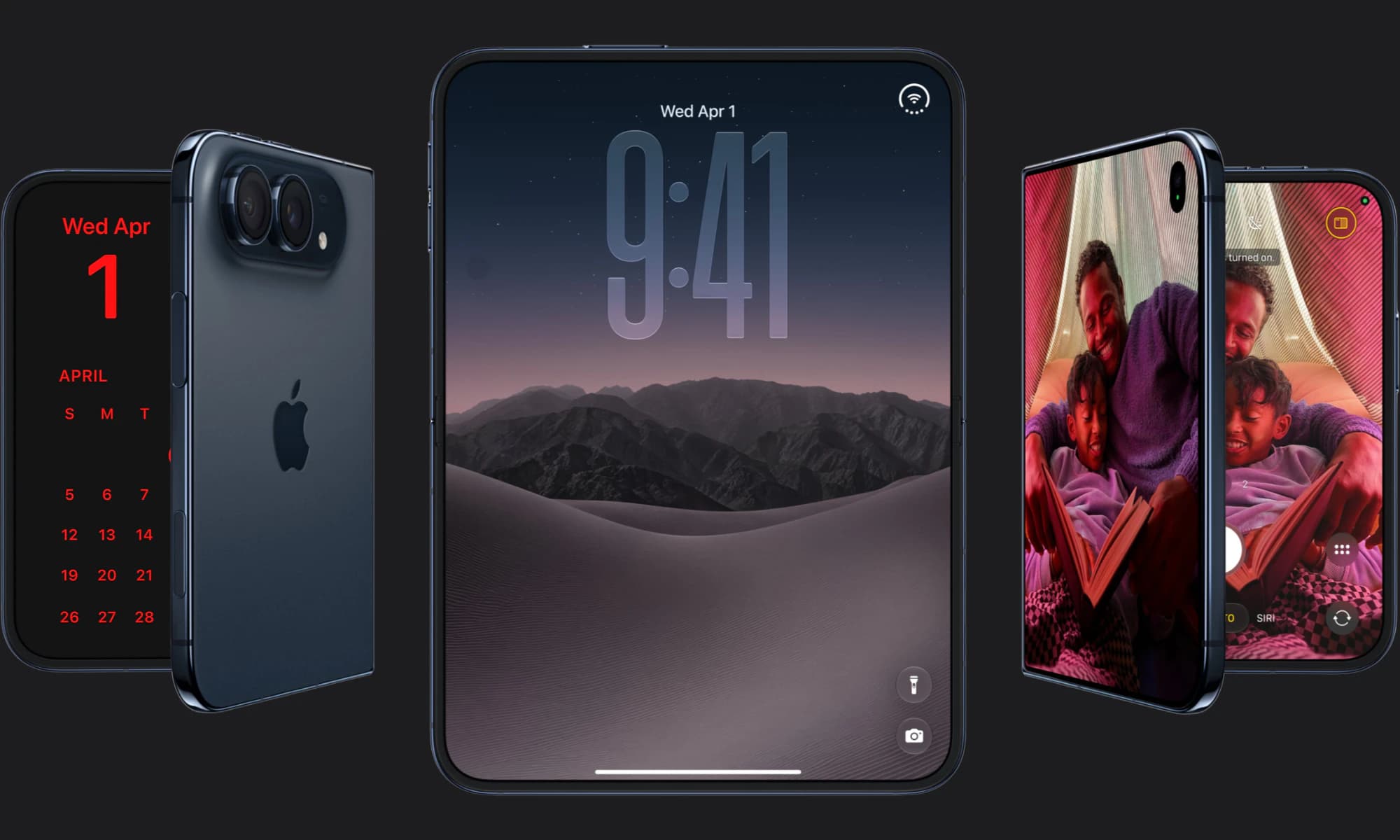
Apple has finally joined the foldable party after seven years, but was it right to wait?


iOS 27 is here! Check out key features and whether your iPhone is compatible.

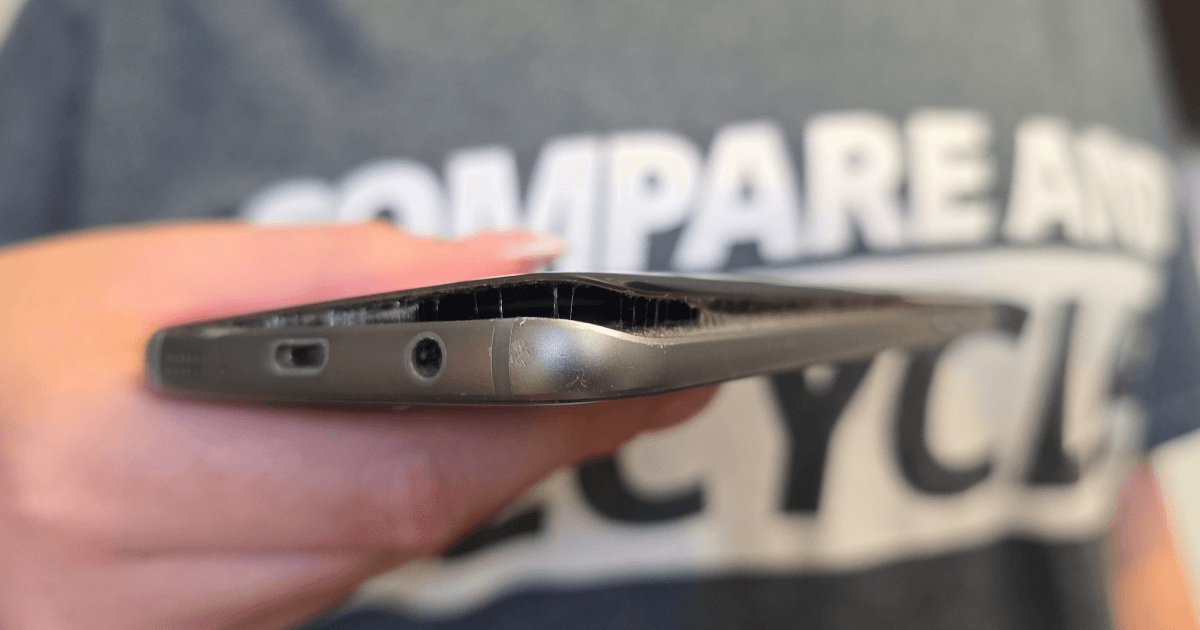
Storing old phones isn’t as harmless as it seems. Here’s why it’s worth digging out your old phone to avoid a hazardous situation.