0330 123 4609
Menu
Compare brand new versus refurbished iPhones. Discover the pros, cons, cost, warranty, and which iPhone is the right choice for you.

Written by Sneha Kashyap, Content and PR Executive | Conscious Consumption and Tech Trends
Last updated on 11 December 2025
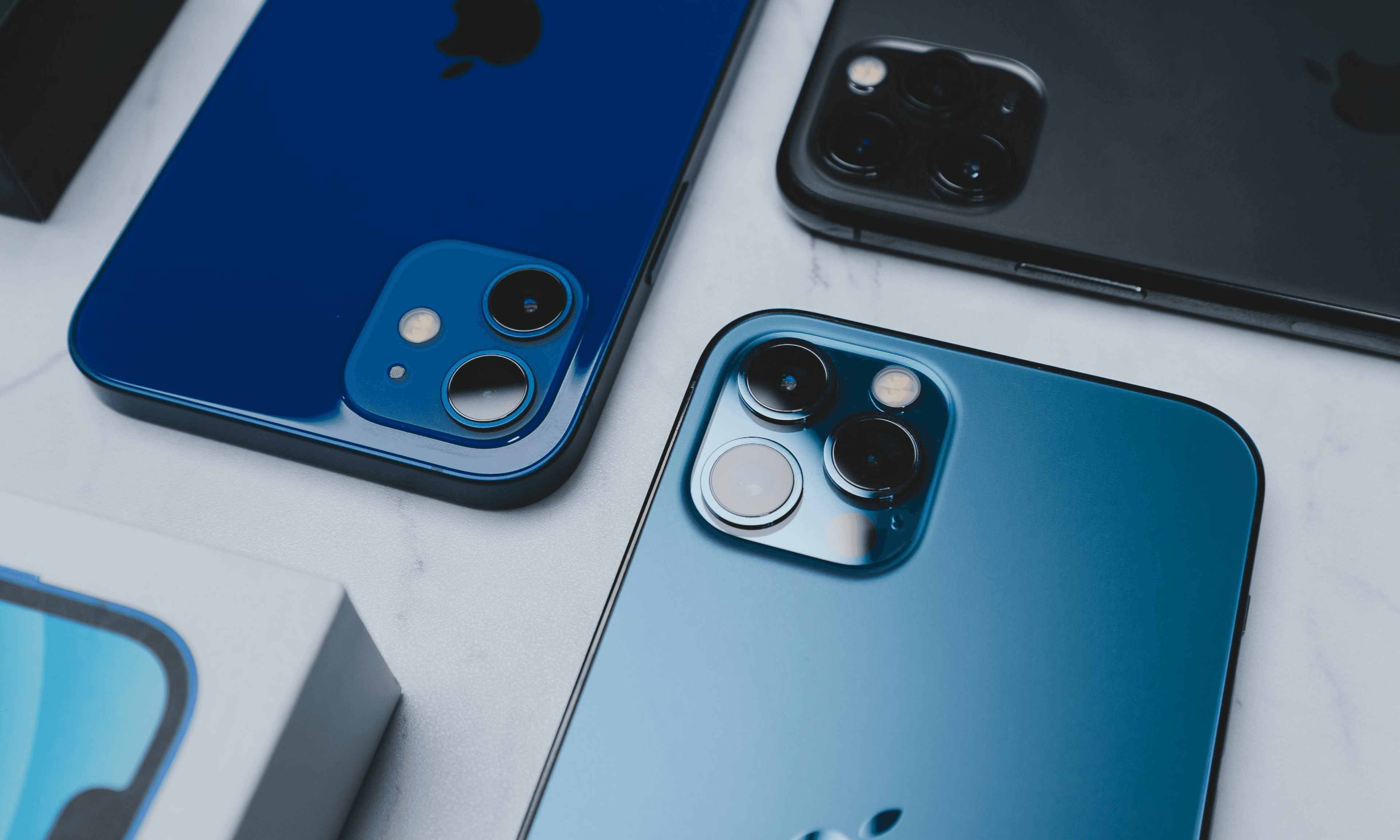
The choice between buying a brand new iPhone vs a refurbished one can be confusing when you’re looking to upgrade. While a new iPhone promises the latest tech for a hefty price tag, refurbished iPhones are becoming increasingly popular and an obvious choice for their affordability and sustainability credentials.
So, which one is right for you?
In this guide, we’ll compare refurbished vs brand new iPhones in terms of price, warranty, battery life, reliability, and long-term value, so you can save money on your next iPhone upgrade.
Before we compare, let’s clarify the difference:
Brand new iPhone: A factory-fresh iPhone, never used, sold directly by Apple or authorised retailers. Comes with a full 1-year warranty, pristine packaging, and a brand new battery.
Refurbished iPhone: A pre-owned iPhone that has been tested, repaired (if needed), cleaned, and resold by Apple or specialist refurbishers. While the warranty varies by seller and sometimes is longer than 1 year, some models are nearly indistinguishable from new, they just come in a non-Apple packaging.
💡 Refurbished is not the same as “used". Used iPhones are sold as they are, while refurbished phones go through testing and repairs before resale as well as have seller-based returns policy and warranty.
Here’s a detailed comparison of brand new vs refurbished iPhone options:
| Feature | Brand New IPhone | Refurbished iPhone |
|---|---|---|
| Price | Full retail price | 20-40% cheaper |
| Warranty | 1 year Apple Warranty | Varies by seller |
| Battery | Brand new | Tested at least 80%, and/or replaced |
| Parts | Original Apple parts | Mix of original and high-quality third-party parts |
| Condition | Perfect, untouched | Graded (A/B/C); may have minor wear |
| Updates | Guaranteed iOS updates for 5 to 7 years | Eligible for iOS updates, but may have limited lifespan |
| Water-resistance | Full IP rating from factory | May be compromised if opened |
| Risk | Low | Low (specialist refurbishers); Medium-High (individual sellers on platforms like Facebook Marketplace due to lack of warranty) |
| Environmental Impact | High (requires new materials) | Low (extends product life, reduces e-waste) |
Credits: AppleInsider
👍 Pros:
Significant savings
Eco-friendly
Often tested and restored to good-as-new condition
Warranty offered by reputable sellers
👎 Cons:
Cosmetic wear may be visible
Battery health may vary
Not all parts may be original
Shorter support lifespan for older models
There are a few things to bear in mind when buying a refurbished phone. Here’s a quick checklist to help you shop smart:
Buy from trusted sellers - check reviews and customer ratings, and avoid peer-to-peer platforms.
Check warranty terms - minimum 6 months is recommended.
Inspect grading descriptions - “Excellent” or “Grade A” is closest to new.
Ask about battery health - >80% is acceptable, 90%+ is ideal.
Confirm parts and testing - OEM parts and full functionality tests have been performed.
Check return policy - 14+ day return window will give you peace of mind.
Confirm it supports the latest iOS updates - check the model you're looking to buy will be receiving iOS updates for at least 3 years.
Here are some common questions we get asked when choosing between new and refurbished iPhones.
In many cases, yes, especially if it’s from a trusted refurbisher. It’s tested, repaired, and often comes with a warranty.
Yes, as long as the model still supports the latest iOS version. Check how long your iPhone will be supported here.
Only if it’s Apple Certified Refurbished. Third-party refurbs typically aren’t eligible. Check if it’s worth getting AppleCare before you purchase it.
It is completely safe to buy refurbished phones online, provided you choose a reputable seller with clear grading, warranty, and return policies.
Absolutely! Buying refurbished reduces e-waste, cuts emissions, and keeps perfectly usable devices in circulation.
Both brand new and refurbished iPhones offer great value; ultimately, what you choose depends on your budget and needs:
Choose a new iPhone if you want the latest model, full Apple warranty, and 5+ years long software support.
Choose refurbished if you want to save money, but still get a reliable (and tested) iPhone, especially if you're buying a model that’s only 1–2 years old.
Once you’ve upgraded, don’t forget to trade in your old iPhone. You can earn back some cash and do your bit for the environment.
iOS 27 is here! Check out key features and whether your iPhone is compatible.

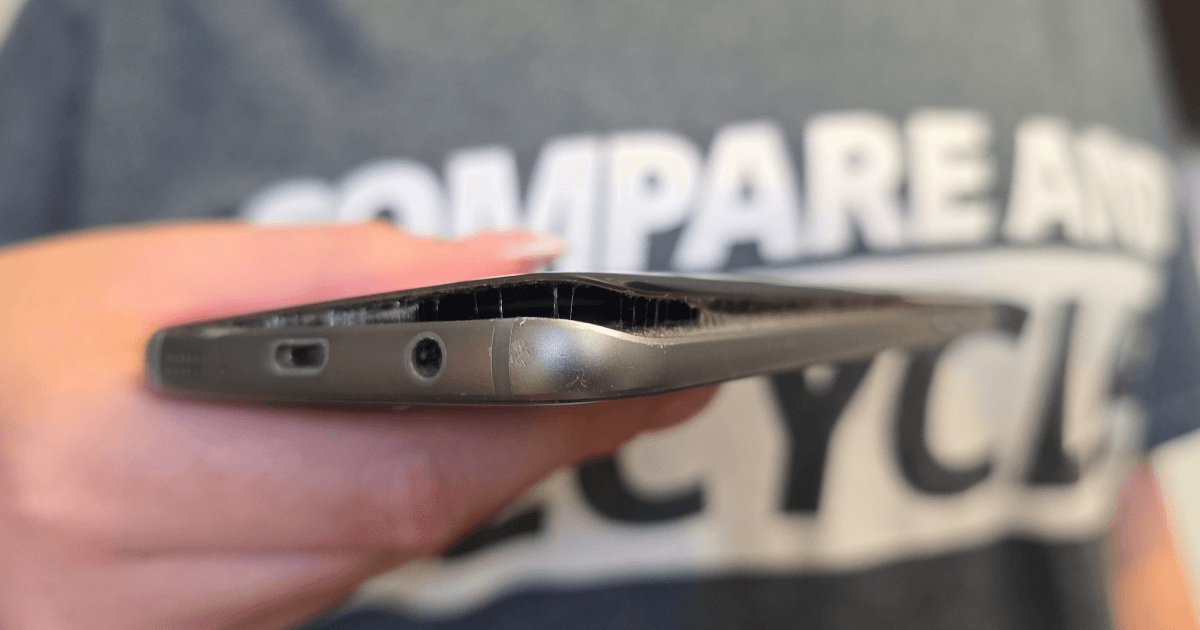
Storing old phones isn’t as harmless as it seems. Here’s why it’s worth digging out your old phone to avoid a hazardous situation.
In this first part of our Holiday Mode On series, we’ll cover essential accessories you need to pack to protect your phone from mishaps when on holiday.