 0330 123 4609
Menu
With Pixels becoming a decent contender for your upgrade choice, we’ve crunched the numbers to reveal depreciation patterns of Google Pixel phones.

Written by Antonia, Head of Marketing | Consumer Electronics and Money-Saving
Last updated on 27 August 2026
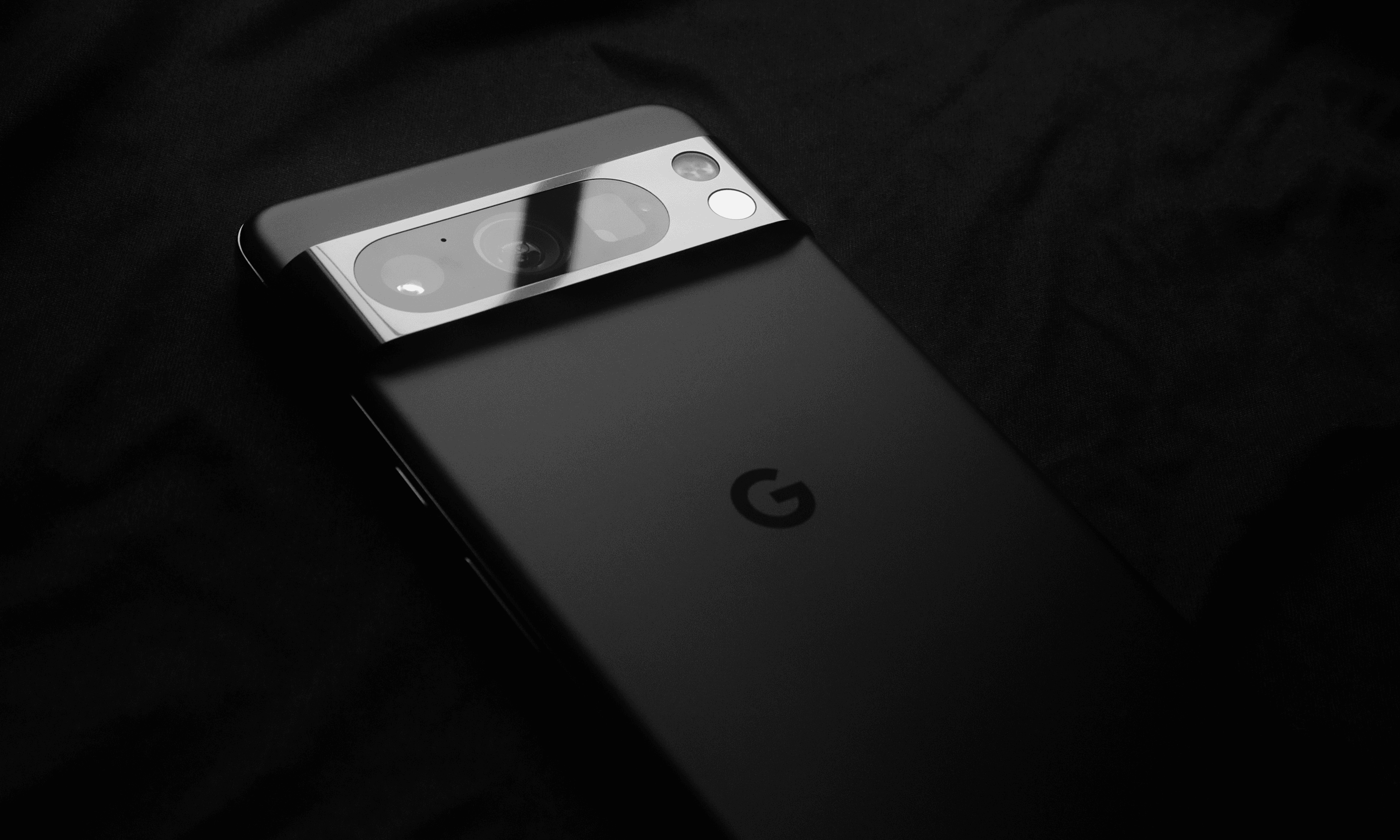
Over the years, Google Pixel phones have claimed their spot among the Android community and you can see Pixel phones in the wild more often now than 5 years ago. With Pixels becoming a decent contender for your upgrade choice, we’ve crunched the numbers to reveal depreciation patterns of Google Pixel phones. We’ve analysed trade-in prices of the past five generations of flagship Pixels (Pixel 6,7, 8, 9, and 10) and uncovered how well they retain their value over the first 12 months on the market and how it might impact future Pixel releases.
Despite the 14% drop in the global smartphone market, according to the 2026 Counterpoint report, Google has to be commended for achieving a 16% growth in smartphone sales in Q2 alone. Thanks to Google Pixel 10 series igniting consumer confidence in the brand and offering a truly premium experience.
With Pixel phones selling like hotcakes, we’re concerned about the handset value retention as our trade-in data suggests unstable depreciation rates.
Similar to trends highlighted in our iPhone depreciation study, the Pixel 10 series showed base storage variants, i.e. 128GB, depreciating worse than the higher storage variants. The worst depreciation figures are found in some of the highest-capacity, highest-RRP Pixel 8 Pro, 9 Pro XL, and 10 Pro XL models.
With a staggering 65% value loss during its first 12 months on the market, the Pixel 10 series shows that depreciation is increasing. The Pixel 8 series still continues to be the worst generation, having averaged at 68%. Given the performance of the newer Pixel 10 generation, the Pixel 11 series might be a hard sell for upgraders. Comparing Pixel flagships to its Samsung counterparts, Galaxy S series are depreciating at a slower rate and as it stands are better value for money.
| Model | RRP | First 12M Depreciation | Key Takeaway |
|---|---|---|---|
| Pixel 8 Pro 128GB | £999 | -£698.95 (-69.96%) | The single worst performer across four generations, losing almost a staggering 3/4 of its value. |
| Pixel 10 Pro 1TB | £1,449 | -£1,005.87 (-69.42%) | The worst performer across the entire Pixel 10 series. |
| Pixel 8 Pro 512GB | £1,179 | -£815.77 (-69.19%) | The Pixel 8 Pro line is consistently at the bottom of the list. |
| Pixel 10 128GB | £799 | -£549.57 (-68.78%) | Even the standard Pixel 10 model matches the depreciation rate of the 2 year old Pixel 8 variant, which is historically the worst depreciating generation. |
| Pixel 8 256GB | £759.00 | -£510.33 (-67.24%) | Another Pixel 8 model that suffered a tremendous loss. |
You don’t need to look far to conclude that the Pixel 8 series is the most depreciating release across five generations of the Pixel flagships. The top of the table is dominated entirely by the newer, more expensive 'Pro' models. The data shows a massive depreciation spike for the Pixel 8 generation (67.7% average) - although the newer Pixel 10 series follows closely behind at 65.4% - thereby making it the worst value-retaining generation by a significant margin and failing to justify its “premiumness” and price increases.
This is highly counter-intuitive, as the Pixel 8 was the first generation to come with a 7-year software update commitment. This suggests that, at the 12-month mark, the market does not value the long-term software support as highly as other factors, such as the initial higher retail price which spiked by 14% from £599 for Pixel 7 128GB to £699 for its successor. Also, the introduction of the 512GB in the Pixel 8 series for the first time or the severity of discounts offered shortly after launch were key factors in shaping the range’s depreciation trends.
| Model | RRP | First 12M Depreciation | Key Takeaway |
|---|---|---|---|
| Pixel 6 128GB | £599 | -£324.42 (-54.16%) | The best value-retaining model among four generations of Pixel series (2020 -2024) |
| Pixel 9 Pro 128GB | £999 | -£554.85 (-55.54%) | The first Pixel Pro model to retain 45% of its original value. |
| Pixel 7 128GB | £599 | -£323.00 (-56.20%) | An improved new generation with the same RRP as Pixel 6. |
| Pixel 7 256GB | £699 | -£380.25 (-57.30%) | No significant disparity between base model and higher capacity models of the Pixel 7. |
| Pixel 9 Pro 256GB | £1,099 | -£634.75 (-57.76%) | A Pro model with a higher capacity performing strongly. |
Not surprisingly, the Pixel 10 series does not feature on this list, thereby reinforcing the fact that incremental upgrades only fuel depreciation. The Pixel 7 generation is the clear winner for value retention after the first 12 months on the market, with an average depreciation of only 58% across the series. The main reason as to why the best performers are primarily the base models is that they hit a "depreciation floor" much faster than the expensive Pro models, and yes there’s a massive upfront loss of at least half of the value.
Even 5 years down the line, a Pixel 6 128GB in good working condition can still fetch up to £65. During the last four years (Years 2-5) post release, the phone lost an additional £208.66. While this is a significant drop, the rate of loss relative to the original price slowed down dramatically. The total depreciation after five years on the market is close to 90%.
The A-series models were introduced as good value for money for those who seek a decent handset for non-flagship price. But our data shows that all three generations of Pixel A-series have depreciated heavily, even outperforming base flagship models.
| Model | RRP | First 12-Months Depreciation |
|---|---|---|
| Pixel 6a | £339 | -£251.25 (-62.97%) |
| Pixel 7a | £449 | -£286.87 (-63.89%) |
| Pixel 8a 128GB | £449 | -£326.00 (-65.33%) |
| Pixel 8a 256GB | £559 | -£377.00 (-67.44%) |
| Pixel 9a 128GB | £499 | -£341.00 (-68.34%) |
| Pixel 9a 256GB | £599 | -599.00 (-100.00%) |
Although Google continues with the Pixel A series, the mid-range appeal has faded and there’s a valuable lesson for consumers to take away. The A series offer flagship-like performance with a few corners cut for a few hundred pounds less - but what you save on your purchase, you lose to depreciation, none truer than the Pixel 9a 256GB which lost 100% of its value during its first year alone. You might as well trade in an obsolete phone at this point as clearly software support doesn’t count for much on the resale market.
The budget Pixel 6a, losing 62.97% of its value in the first 12 months, is the best A-series performer, but its depreciation is nearly identical to the worst-performing flagship, Pixel 9 Pro XL (1TB) which depreciated at 63.52% after the first year. The Pixel 9a tops it off with a record breaking first year depreciation of 100%! And with every subsequent Pixel A-series release the models depreciate even worse. So despite all the power of advertising, the budget flagships are just not worth your attention and your money - you’re much better off paying the retail difference upfront and opting in for an entry level flagship.
Although the Pixel Fold range is a relatively new addition to the Google portfolio, we’re already observing alarming depreciation trends where the Fold series have claimed the title of absolute worst value retainers.
| Model | RRP | First 12M Depreciation (£) | First 12M Depreciation (%) |
|---|---|---|---|
| Pixel Fold 256GB | £1,749 | -£1,389.00 (-79.42%) | -79.42% |
| Pixel Fold 512GB | £1,869 | -£1,489.00 (-79.67%) | -79.67% |
| Pixel 9 Pro Fold 256GB | £1,749 | -£1,342.33 (-76.75%) | -76.75% |
| Pixel 9 Pro Fold 512GB | £1,869 | -£1,399.00 (-74.85%) | -74.85% |
The table above shows the value-retention disaster - both generations of Google’s foldables have had their value tank in the first 12 months, easily surpassing the worst ever depreciating flagship Pixel 8 Pro (128GB) which lost 69% of its value in the first 12 months and setting a record for the entire Pixel family. The Pixel 10 Fold, in comparison, has fared better than its predecessors by depreciating at 72% - nevertheless, it is still worse than the flagship Pixel models which depreciated at 65%. Therefore, the astronomical RRP can hardly be justified as the market clearly doesn’t categorise Folds as luxury - instead, what it really means is that owning a Pixel Fold will cost you £116 per month in terms of lost trade-in value.
Our data showcases that consumers pay the highest cost-of-ownership in year one, but Google's promise of 7 years of updates drastically lowers the annualised cost if you keep the phone for five, six, or seven years. Since 58% to 79% of the value is lost in the first year regardless, the long-term keeper benefits the most from the guaranteed longevity of the Pixel handsets, making its initial sacrifice worthwhile.
For Value Retention, Go Base: If you’re an annual or bi-annual upgrader, you should choose the lowest-RRP, lowest-capacity base model (e.g., Pixel 10 128GB). This choice will minimise the absolute cash loss while achieving the best value retention.
Pro Models are for Keepers: Pro models like the Pixel 10 Pro, which performed relatively well in the first 12 months, should only be purchased by users who plan to keep the device for 3+ years. The high initial cost means the depreciation hit is more than 50%, and the loss can only be mitigated by extending the ownership of the handset.
Storage is a Cost, Not an Investment: Only pay for the storage you genuinely need, as extra capacity offers little to no protection against depreciation.
Avoid Budget Series: No matter how good the budget line of phones looks, do not even consider it, as you’re better off opting in for the entry level flagship than losing the majority of your purchase’s value to drastic depreciation.
Too Early for Foldables: Buying any foldable from Google portfolio at launch is a financial disaster if you plan to trade it in after one year. Although the Pixel 10 Folds show a slower depreciation rate compared to its predecessors, they’re still nowhere near the depreciation rate of flagships. Therefore, the premium features do not command a proportionally higher trade-in value, resulting in massive value losses. If you’re after the cool factor, consider buying a refurbished Pixel Fold.
Apple has finally joined the foldable party after seven years, but was it right to wait?


iOS 27 is here! Check out key features and whether your iPhone is compatible.

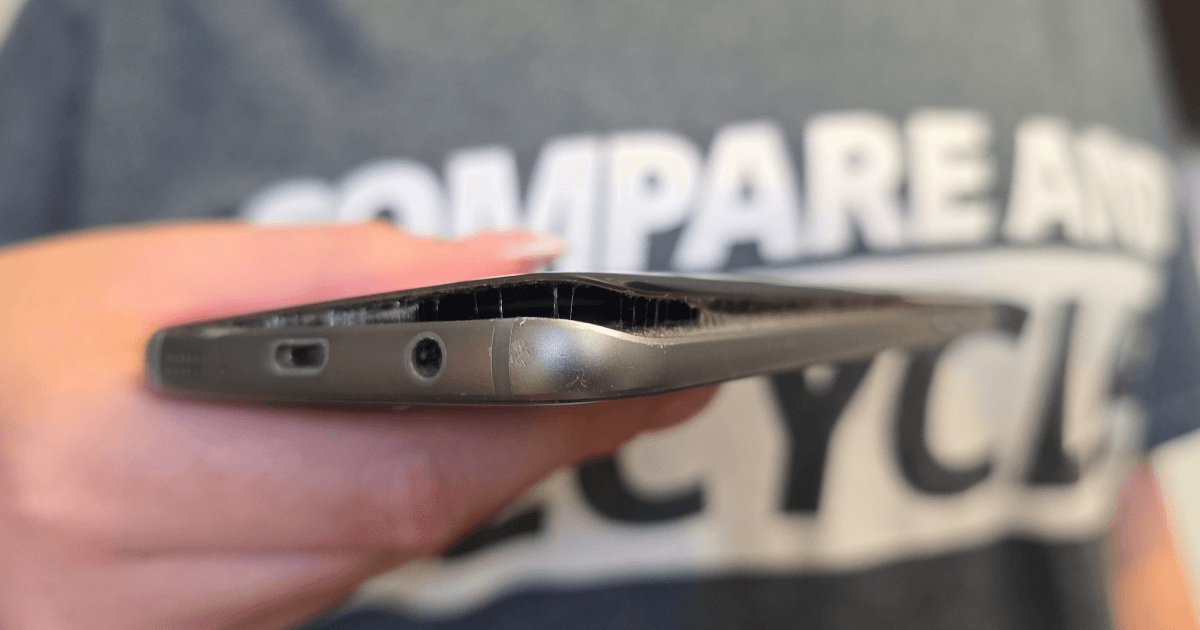
Storing old phones isn’t as harmless as it seems. Here’s why it’s worth digging out your old phone to avoid a hazardous situation.


