0330 123 4609
Menu
2026 brings surprising shifts in mobile tech. See what’s coming and how it could impact your next upgrade decision.

Written by Sneha Kashyap, Content and PR Executive | Conscious Consumption and Tech Trends
Last updated on 12 January 2026
Consumer tech in 2026 isn’t moving in a single direction. This year’s trends reveal an increasingly fragmented market, pulled by two contradictory forces simultaneously. Digital minimalism resurfaces just as newer, more ambitious devices designed to anticipate our needs arrive on the scene. The bottom line is that we want different things from our tech, and the contrast has never been so stark.
2026 is poised to see retro tech making a full comeback. The trend has been driven largely by Gen Z users in the second half of 2025 peppered with nostalgia for a time long past. Retro tech’s aesthetic appeal amongst this first generation born with full internet access has kick-started the Renaissance.
This revival isn’t about rejecting technology outright. It’s a reaction to always-on smartphones, rising device prices, and digital overload. For Gen Z in particular, retro tech offers something increasingly rare: intentionality.
As flagship phones become increasingly complex, and consequently, more expensive, the appeal of pared-back devices designed to do one thing well has never been stronger.
In recent years, we’ve seen smartphones raise their benchmarks to new levels with cameras over 200 MP, AI enhancements, and instant uploads. Yet, digital cameras have been quietly reclaiming space in people’s bags. Sure, they’re slower compared to smartphones, and it takes a certain skill to be able to produce quality images with them, but that’s the whole point of photography: slowing down with intentionality, being fully present, and making the act of capturing moments a deliberate one.
Compact digital cameras can also be seen as a quiet response to doomscrolling. A dedicated camera introduces friction, and that’s part of the appeal. You take fewer photos, but you think about them more. Aesthetically, the appeal of the grainy photos of older digital cameras is a reaction to the polished images of AI-powered smartphones that feel almost unreal. But, if you’ve given into the digicam aesthetic and are thinking of using an iPhone 4, think twice. The security hazards alone are more than your money’s worth.
Wired headphones are no longer outdated, far from it, they’ve come in fashion once again having donned at designer fashion shows such as Collina Strada, appearing in a Balenciaga campaign, and sported by celebrities like Dua Lipa and Zendaya. Styling aside, wired headphones are a conscious choice rather than a compromise. They’re simple, reliable, and a visible rejection of constant connectivity by everyday users for whom the wire itself is part of the statement. It’s a subtle resistance to devices that demand attention even when you’re not using them.
Minimal phones are very much mainstream in 2026. These simple devices will gain traction as adult users seek fewer distractions, better focus, and a healthier relationship with their screens because let’s face it, kids aren’t the only ones who need to cut back on their screentime.
Mental well-being, digital detox, and intentional tech use are key undercurrents this year. Minimal phones are also more sustainable as they consume fewer resources and last just as long as flagship phones.
Digital minimalism doesn’t mean all users want a simple phone. Bold new form factors and cutting-edge design still continue to sway some of the masses. As a result, the market is fragmenting due to these divergent desires.
Foldables have been talked about, tested, dismissed, and re-evaluated for several years now. But in 2026, the conversation has noticeably shifted. Far from being experimental devices, they’ve now become increasingly mainstream in the smartphone industry.
The renewed focus on foldables comes largely from Samsung’s latest move: the Galaxy Z TriFold. With multiple folding points and a design that blurs the line between phone, tablet and productivity device, it has reignited debate about what smartphones are supposed to be, and how far that form factor can stretch.
At the same time, the question many consumers keep asking hasn’t gone away: if foldables are the future, when will the iPhone join the fold?
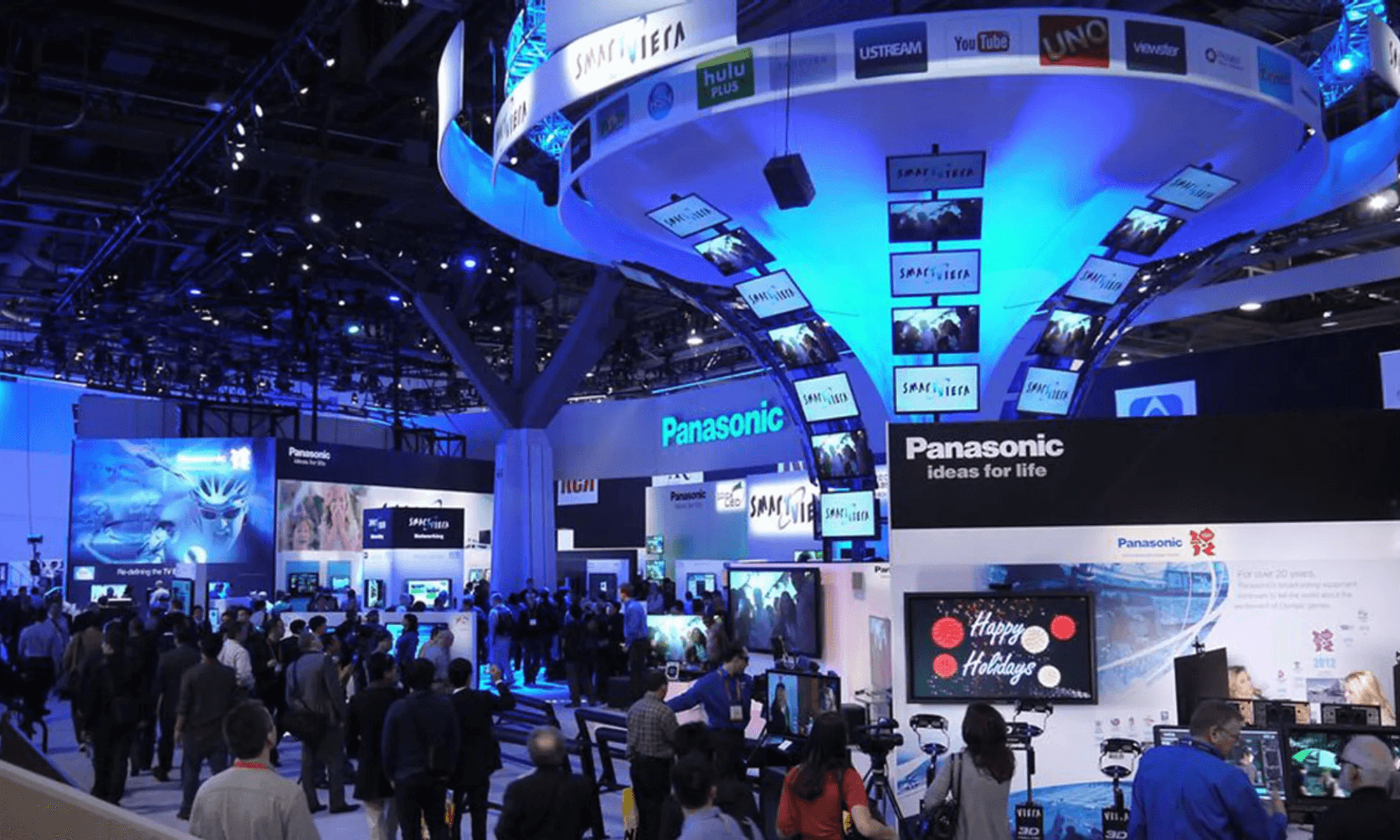
Foldable phones have certainly grown in popularity with both Samsung and Motorola’s latest models being voted the best of mobile tech at the Consumer Tech Expo in Las Vegas recently. There is nostalgia behind the flip design for sure, but they’re also increasingly more innovative...so much so that tablets are now at risk of being pushed to the margins.
The appeal of newer foldables comes with a big sustainability cost - Pixel fold phones have shown only too well how carbon intensive it is to manufacture these devices. The market too, is increasingly in danger of being fragmented further as foldables are the complete opposite of minimal phones.
The big change this year isn’t more smart lightbulbs - it’s how all those devices talk to each other and to us. Instead of controlling things one at a time, 2026’s home tech improvements focus on anticipating what we want: adjusting heating as we return from work, dimming lights based on time of day, or switching security modes when we’re away. The noticeable shift is towards integrated ecosystems with context-aware automation.
This year’s technological advancements indicate a smart home experience that’s less about tapping screens and more about technology that feels like a natural extension of one’s home life and not just another set of apps to manage. But, what about the security implications of increased connectivity and data sharing?
Security tech was another focus at CES. New cameras and smart locks are faster, more reliable and easier to integrate into broader home automation setups. Some devices now support advanced facial recognition and AI-driven alerts on local networks, rather than relying entirely on cloud servers.
On the smartphone scene, leaks suggest that Samsung’s latest Galaxy S26 will feature an anti-peeping display, so we can expect more devices will follow suit. Confidential computing is also in talks with AI set to transform smartphones in newer ways in 2026.
Smart technology is not limited to convenience or security. Lego’s Smart Play initiative, powered by the new LEGO Smart Brick, introduces interactive responsiveness to physical play, merging sensors, motion and sound without screens.
Smart tech can certainly do more than just automate tasks, as shown by Lego. But, how much is too much? If Lego bricks light up and make sound, is there any scope for imagination left? These conversations in 2026 will determine how technology pans in the near future.
This year’s tech trends drive home the point that there isn’t a single definition of progress more than ever. The market is fragmented for sure, but at the end of the day, these divergent trends are tied together by a growing awareness that behaviour shapes technology. The challenge, therefore, for the industry is to pay even more attention to what people want and need, rather than just make newer devices in a blind pursuit of innovation. For consumers, likewise, the decision to upgrade will be a complex one. Just remember to trade in your old tech at the end of the day and keep the circular economy going.
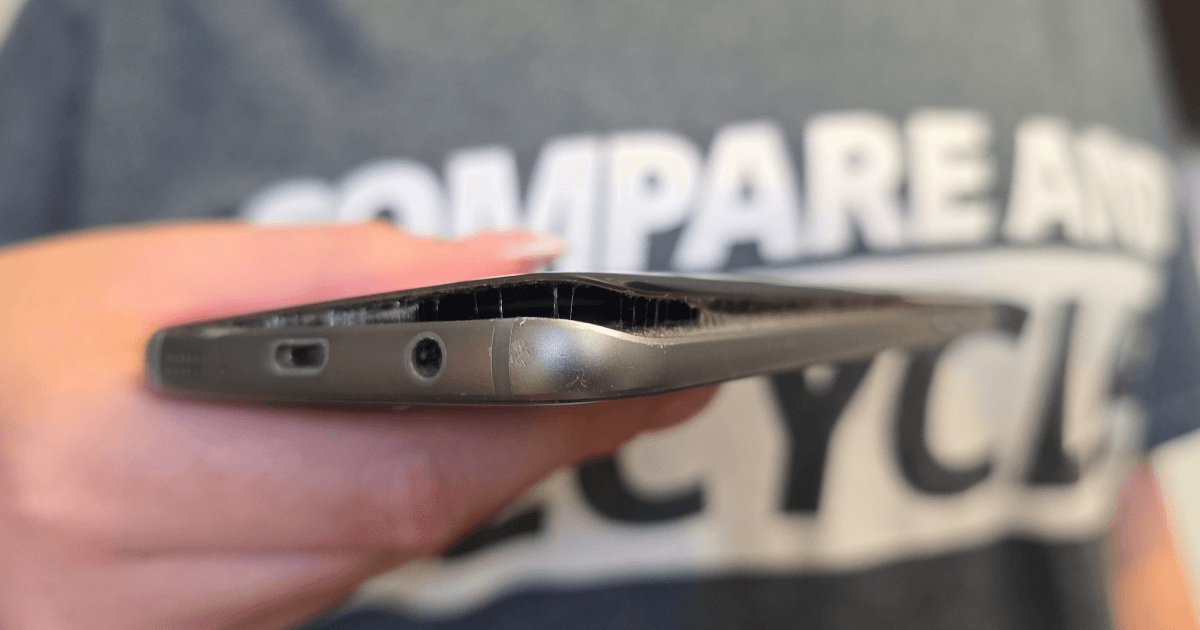
Storing old phones isn’t as harmless as it seems. Here’s why it’s worth digging out your old phone to avoid a hazardous situation.


In this first part of our Holiday Mode On series, we’ll cover essential accessories you need to pack to protect your phone from mishaps when on holiday.
We've done the digging on what UK networks and major cruise lines actually charge in 2026 to stay connected, and how to avoid paying more than you need to.