0330 123 4609
Menu
A look at how each iPhone series has evolved in terms of sustainability, focusing on carbon footprint, materials, and repairability.

Written by Sneha Kashyap, Content and PR Executive | Conscious Consumption and Tech Trends
Last updated on 23 September 2026
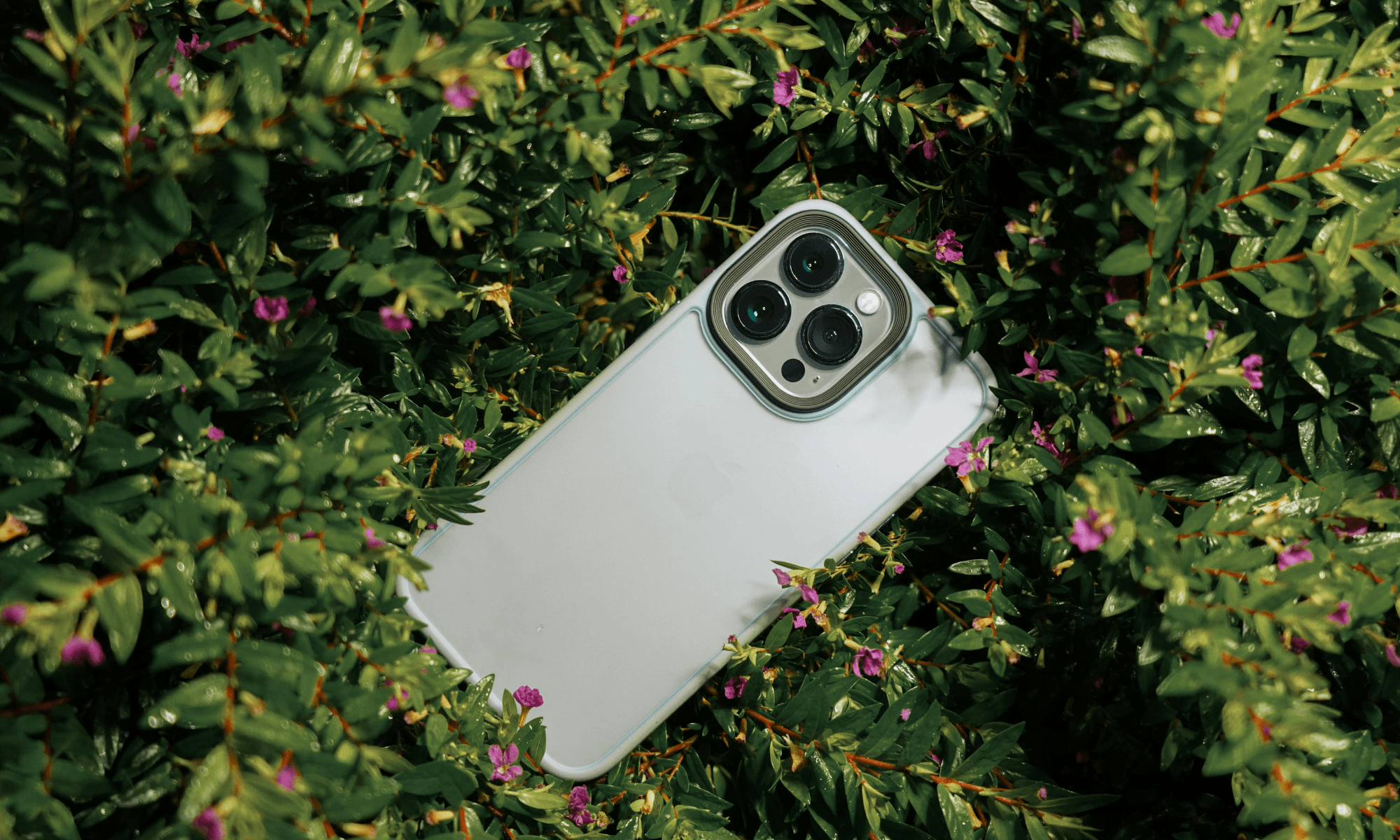
Apple has long positioned itself as a leader in tech sustainability, especially when it comes to the iPhone. In comparison to other major phone manufacturers, Apple is miles ahead in transparency and accountability. Of course, it hasn’t always been that way. And with every iteration of the iPhone the company continues to improve its supply chain, energy use, and environmental reporting.
In this blog, we examine how each iPhone series has evolved in terms of sustainability, looking beyond sleek design and performance to focus on carbon footprint, materials, repairability, and environmental initiatives.
Note: This article is regularly updated with every new iPhone release.
This graph shows the CO2 data available for all the iPhones from 2008 to 2026.
Unveiled in September 2026, the iPhone Duo represents Apple’s first move into a new dual-screen form factor, bringing a more complex design and hinge mechanism to the iPhone. This innovation comes with a relatively high carbon footprint of 93kg for the 256GB model, although Apple has made efforts to offset this through its choice of materials. The Duo's internal frame contains 100% recycled aluminium in its internal frame, 95% recycled lithium and 100% recycled cobalt in the battery. The phone also uses 100% fibre-based packaging and 60% of manufacturing electricity comes from renewable sources.
Apple's newest iPhone series continue with the software giant's push for more recycled materials and renewable energy across its supply chain. Both the iPhone 18 Pro and Pro Max models contain 40% recycled content - up from 30% in the previous iPhone 17 generation. This includes 85% recycled aluminium in the enclosure, 100% recycled cobalt in the battery and 95% recycled lithium, alongside 100% recycled rare earth elements in all magnets.
There has also been progress in manufacturing, with 50% of electricity used to manufacture the iPhone 18 Pro and Pro Max coming from renewable energy projects, compared with 40% for the iPhone 17 Pro models. Apple also maintains 100% fibre-based packaging, while the new models use 80% recycled steel in several components and 100% recycled tungsten in the Taptic Engine.
However, the reduction in overall emissions is relatively small. The 256GB iPhone 18 Pro has a reported carbon footprint of 63kg CO₂e, compared with 64kg for the equivalent iPhone 17 Pro. While this represents a further reduction, it suggests that the biggest sustainability gains are increasingly coming from changes to materials and manufacturing rather than dramatic reductions in the phone's overall carbon footprint. Apple also reports that the iPhone 18 Pro uses 60% less energy than the applicable energy-efficiency standard and features Ceramic Shield 2 with three times better scratch resistance than the previous generation, potentially helping extend the device's useful lifespan.
Unveiled in September 2025, the iPhone Air represented Apple’s effort to balance performance with environmental responsibility in a lighter, more affordable package. Although Apple’s slimmest ever phone marks less of a technological leap, the iPhone Air does fairly well in terms of sustainability with a modest carbon footprint of 55 Kg. The phone’s composition, on the other hand, is less eco-friendly, switching back to a titanium body first introduced in the iPhone 15 series. Nevertheless, Apple continues to move towards its 2030 goal of carbon neutrality by keeping 35% of the phone’s content recyclable, and sourcing 45% of manufacturing electricity from renewable sources.
Apple’s latest iPhone 17 series comes with a 120Hz ProMotion display across the lineup, notable camera upgrades, and a brand new A19 chip designed to improve performance. The series has set a new benchmark with a 55% reduction in energy consumption as per Apple’s environmental report.
Unlike the iPhone Air launched alongside it, the iPhone 17 series continues the use of recycled aluminium. But while the iPhone Air has managed to keep its carbon emissions low at 55 kg, the Pro models in the iPhone 17 series starts at 64kg CO2 (iPhone 17 Pro 256GB) and swiftly escalates to 134kg CO2 (iPhone 17 Pro Max 2TB). While Apple continues its use of recycled materials, the true test of sustainability lies in bringing down its carbon footprint. For now, the tech giant has decent room to cover on that note.
Apple’s iPhone 16 series, launched in September 2024, was somewhat underwhelming. Yet, the series marked a milestone in Apple’s carbon reduction journey. According to Apple’s environmental data, there was a 30% reduction in emissions compared to earlier models. Likewise, the GHG footprint per device dropped from 105kg to 74kg, thanks to Apple’s increased use of low-carbon electricity across its supply chain.
Notably, this was the first iPhone series to include 95% recycled lithium-ion in its batteries and 100% recycled cobalt, supporting a 55% reduction in total greenhouse gas emissions since 2015. The iPhone 16 lineup also ships in 100% fibre-based packaging, part of Apple’s goal to eliminate plastic from packaging by 2025.
With the iPhone 15 series, Apple decided to remove the 128gb internal storage option, reducing its manufacturing impact. The impact was sharply visible in the iPhone 15 Pro Max 1TB, which produced 14kg less CO₂ than its 2022 equivalent.
The iPhone 15 lineup also had significant internal design changes which made a dent at reducing lifetime carbon emissions for the first time in 5 generations of flagship iPhones. This could be down to Apple making its first use of 100% recycled cobalt and copper in the logic board of Pro models.
The iPhone 14 lineup consists of the iPhone 14, iPhone 14 Plus, iPhone 14 Pro and iPhone 14 Pro Max. To start off, the carbon emissions are higher for the iPhone 14 series at 82.2kg, in comparison to the iPhone 13 series at 81.3kg. However, Apple did manage to reduce emissions from production, with production-related CO₂ making up 79% of total lifecycle emissions.
Despite Apple's announcement of Self Service Repair, the iPhone 14's environmental reports offered no indication of improved repairability. However, iFixit reports revealed that the iPhone 14 and 14 Plus feature a redesigned build with two screws holding the back panel which makes repairs easier and more cost-effective. Unfortunately, the iPhone 14 Pro and Pro Max retain the old design, making the back glass repairs more expensive which may be why Apple did not highlight this as an improvement in their report.
The iPhone 13 Pro introduced 1TB of storage, but at the cost of higher emissions. The average CO₂ footprint increased from 79.5kg (iPhone 12) to 81.3kg. Apple also removed the 64GB option, which likely contributed to the increased baseline emissions. Keeping a 64GB version could have reduced emissions into the 50–60kg range.
On a more positive note, is made from 100% recycled gold which is now used in their main logic board as well as the use of 98% recycled rare earth materials. In addition to this, 99% of the tungsten used comes from recycled supply chains, which possibly was to distract from other issues such as usage accounting for 5% more CO2-e than the previous year. We're not sure what the reason is behind this increase considering all the battery improvements, however it could be down to the heat produced as a byproduct of Magsafe chargers or possibly the new displays.
The iPhone 12 series was the first to ship without a charger or earphones, allowing for smaller packaging and more efficient shipping — a move that helps reduce emissions during distribution. Despite this, emissions remained similar to the iPhone 11 lineup.
The iPhone 12 lineup consists of the 12, 12 mini, 12 Pro and 12 Pro Max, all of which utilise 100% recycled rare earth elements in the magnets and include improvements to the screen in favour of durability. Apple also noted that 85% of total emissions occur before the device reaches the customer, reinforcing the importance of supply chain improvements.
Credits: Rich Conn
The iPhone 11 lineup was somewhat of a disappointment when compared to the iPhone X lineup, with a continuous increase in carbon emissions. The iPhone 11 Pro Max was the model that topped as highest emissions, at the time of release, which comes at no surprise as this is a trend within iPhones. The lower capacity iPhone 11 naturally has the lowest emissions with it being the same CO2-e as the 8 Plus, meaning your best bet is to opt for a lower capacity device.
Apple also noted in their report that the iPhone 11 was the first iPhone made with 100% recycled rare earth elements in the Taptic Engine. In addition to this, it's also made with 100% recycled tin in the solder of the main logic board which ultimately led to it producing a total 72kg CO2-e.
The iPhone X series marked a notable shift in what the iPhone’s future could look like. From a design perspective alone, we can see that this really was a new beginning of the next decade.
The iPhone X was Apple's first phone to use an OLED display after iPhones only having LCD's, which set the standard for the industry. This meant that the iPhone X could be much thinner and ultimately create a sleek, modern design. On top of that, the iPhone X was the first ever iPhone to have FaceID - a system that unlocks your phone by recognising your face.
Innovation, however, came at a cost — the iPhone X had the highest emissions to date, with 79kg CO₂e. By contrast, the iPhone 8 released alongside it had a footprint of 57kg CO₂, showing how new features can dramatically affect sustainability.
The iPhone 8 lineup was released September 2017 and introduced us to the much loved wireless charging. By this time, customers were getting accustomed to wireless life, especially since Apple removed the headphone jack with the iPhone 7 series. The iPhone 8 and 8 Plus also included the new glass back and aluminium frame, presenting a modern, sleek design. However, one of the most notable integrations of the iPhone 8 was the inclusion of Portrait Lighting. It allowed owners to create even more high quality, professional looking images when in Portrait Mode with improved lighting style. The iPhone 8 series was the first iPhone to incorporate Augmented Reality (AR) in games and apps which of course offered a whole new experience for users.
On the environmental front, iPhones generally improve their carbon emissions with every new release and the iPhone 8 came with 57kg of CO2 emissions - a big step up from the iPhone X. According to , 80% of this came from Production, 16% Customer Use, 3% Transport and 1% Recycling giving similar figures to other iPhones listed. iFixit also gave the iPhone 8 and iPhone 8 Plus a repairability score of 6/10, one point lower than the earlier counterparts - we think this is down to the hard-to-remove, breakable glass back. This means that they rated these two devices as a little harder to repair in comparison which isn't a great start. However, the Electronic Product Environmental Assessment Tool (EPEAT), has listed the iPhone 8 and iPhone 8 plus with a Gold Rating which is the highest rating available.
The iPhone 7 lineup was a notable one with many firsts, mainly due to the fact that it saw the death of the headphone jack and the simultaneous debut of the AirPods. Not to mention that Apple finally dropped the 16GB base storage option, meaning by default all iPhones now have the base option of 32GB as well as increasing the internal storage to 256GB instead of 128GB. It also became the first ever iPhone to have a water resistance rating of IP67, meaning it's great in terms of durability.
The iPhone 7 Plus was the first iPhone to receive the dual camera setup with the main camera and telephoto lens which meant that Apple could also introduce the all popular Portrait Mode which is now standard on all smartphones. To top it all off, the iPhone 7 series came with a modest 56kg of CO2 emissions, a decent result.
Credits: Supply Chain 24/7
This iPhone SE was the first product that showed how Apple could provide a budget friendly option that felt much more premium than the 'toy-like' iPhone 5c. Unlike the iPhone 6 lineup, the iPhone SE provided a more compact device, including all the features of the iPhone 6 but in the iPhone 5 body. Many people still prefer being able to hold their phone in one hand even when most smartphones were increasing in size every year.
The iPhone SE came with a 4-inch screen, 12MP camera and 4K video capabilities as well as Live Photos and the "Hey Siri" function which seemed to add a premium feel to this budget device. On the sustainability front, the iPhone SE had a total of 75kg of CO2e which in comparison to other models is quite high, however they claim to have made cutbacks in other areas.
The greenhouse gas emissions associated with the aluminium enclosure of are 40 percent less than those of iPhone 5s thanks to the use of less virgin aluminum and more low-carbon aluminum manufacturing.
This particular iPhone series was another first for Apple, because this is when they started to introduce two different sizes - 4.7-inch for the iPhone 6 / 6s and the larger 5.5-inch for the iPhone 6 Plus / 6s Plus. One thing that was most notable about this iPhone range, was that the devices were noticeably thinner which came with its challenges, one of which sparked a scandal called 'bendgate'. Some users of this series noted that their iPhone chassis would bend when enough pressure was applied, for example in their pocket when sat down.
On a more positive note, the iPhone 6 series was the first iPhones to incorporate Apple Pay which was a new contactless digital payment, providing convenience and speed. Users were able to pay for things which were authenticated through the Touch ID fingerprint sensor which has now become a huge part of any smartphone nowadays. Another improvement was the fact that Apple boosted the base internal storage to 128GB which is better for customers and also the environment. Overall, in terms of sustainability, the iPhone 6 series wasn't one to shout about unfortunately with the total greenhouse gas emissions being 95kg of CO2e.
Credits: MacRumours
A year later, Apple released the iPhone 6s and 6s Plus in 2015, keeping the same 4.7-inch and 5.5-inch displays as its predecessor. On the innovative side, these phones had a new 3D Touch Display, could take Live Photos, and supported LTE-Advanced networks.
At the time, sustainability wasn’t yet at the forefront of Apple’s messaging and the iPhone 6s series relied heavily on virgin materials such as mined aluminium, rare earth elements, and lithium cobalt oxide in the battery. The packaging had more of a recycling element, being made entirely from fiberboard. Carbon emission-wise, Apple was averaging around 60 kg CO2, which is more in line with its latest models.
Credits: Darius Cotoi
In September 2012, the iPhone 5 launched on the market with a bigger 4-inch display, the A6 chip, and LTE support for 4G networks. While the iPhone 5’s casing was made of recycled aluminium, the following year, the iPhone 5c made matters worse by introducing a plastic shell. The latter came with few cosmetic changes and did not have much storage in comparison to the older models either. The iPhone 5s, which came out simultaneously with the iPhone 5c, had a new Touch ID. On the sustainability side, the only positive things that can be said about the iPhone 5 models is their continued use of recycled materials for packaging and that the iPhone 5s and 5c had a lower carbon footprint than the iPhone 5.
The iPhone 4 series bought FaceTime live and allowed users to interact with multiple apps simultaneously. The iPhone 4S took things up a notch by introducing Siri - Apple’s brand new voice assistant. While the iPhone 4 had a modest carbon footprint of 45 kg, the iPhone 4s falls severely short of current sustainability benchmarks with its carbon footprint of 70 kg!
The second generation iPhone came with 3G connectivity, GPS, and a new App Store that allowed users to download third-party apps. At this point in time, users were slowly starting to see the iPhone’s potential, and even more so when the iPhone 3GS was launched in 2009. The latter came with a faster 3-megapixel camera with video recording, and even had voice control. The carbon footprint of these early generations was relatively low at 55 kg.
The original iPhone, also known as the iPhone 2G, marked a revolutionary moment in consumer tech. But from a sustainability perspective, it also highlights how far Apple has come. At the time, no formal sustainability report existed, and environmental considerations were minimal in the design and production process.
Apple's iPhone sustainability report for each generation shows a clear and ongoing commitment to reducing environmental impact — from early steps in energy efficiency and material transparency to today's widespread use of recycled metals, plastic-free packaging, and low-carbon manufacturing.
While not every model shows year-on-year improvement, Apple has consistently led the smartphone industry in environmental reporting and accountability. On one hand, its commitment to 100% fibre-based, plastic-free packaging by 2025, reductions in lifecycle CO₂ emissions, use of recycled materials, and supply chain transparency is to be lauded. However, areas like repairability, emissions from larger storage options, and increased use-phase energy demands still present challenges.
As consumers, understanding this data empowers us to make more sustainable tech choices — whether that’s choosing a lower-capacity device, buying refurbished, or recycling your old iPhone responsibly.
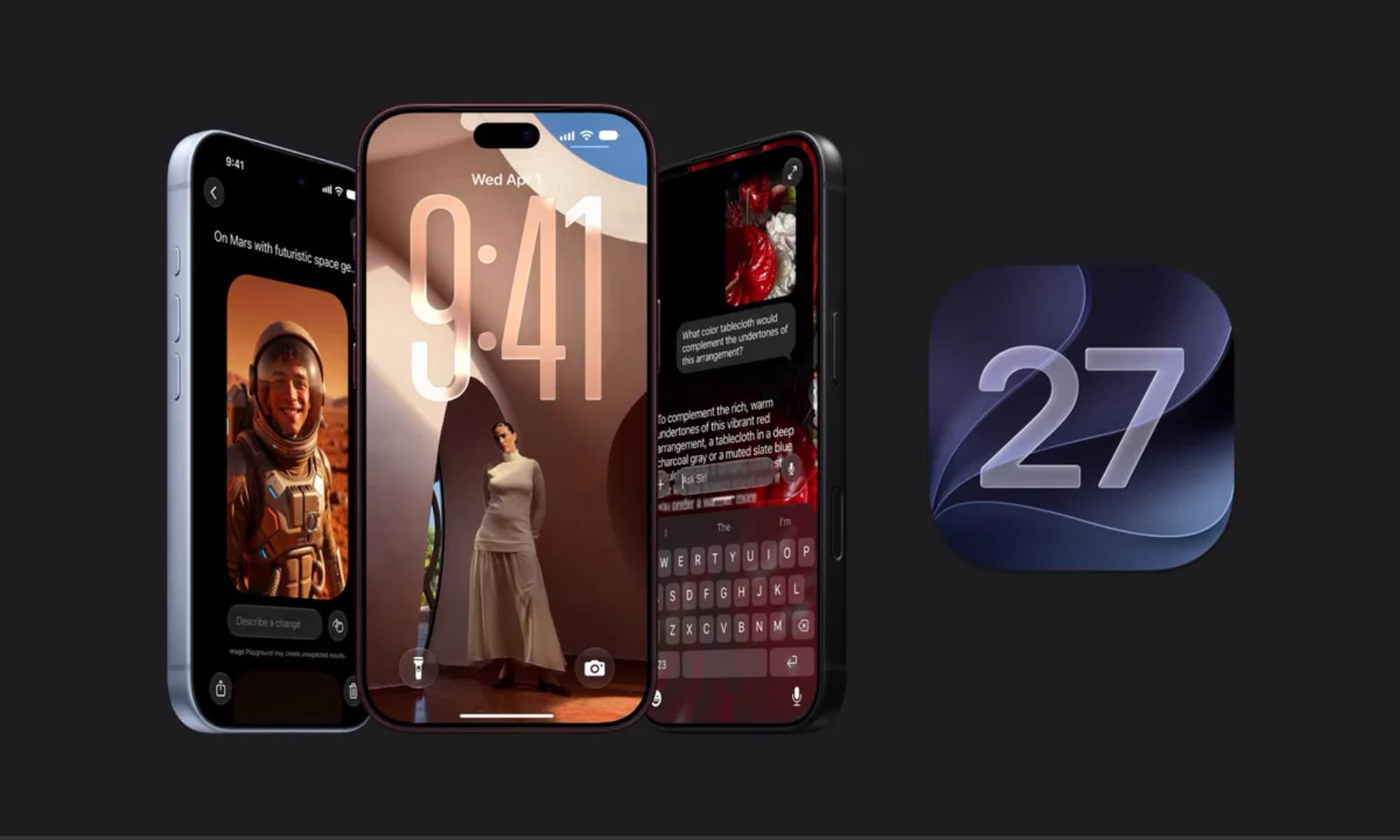
iOS 27 is here with a host of hidden tools, smarter AI, and useful upgrades. Could it change how you use your iPhone?
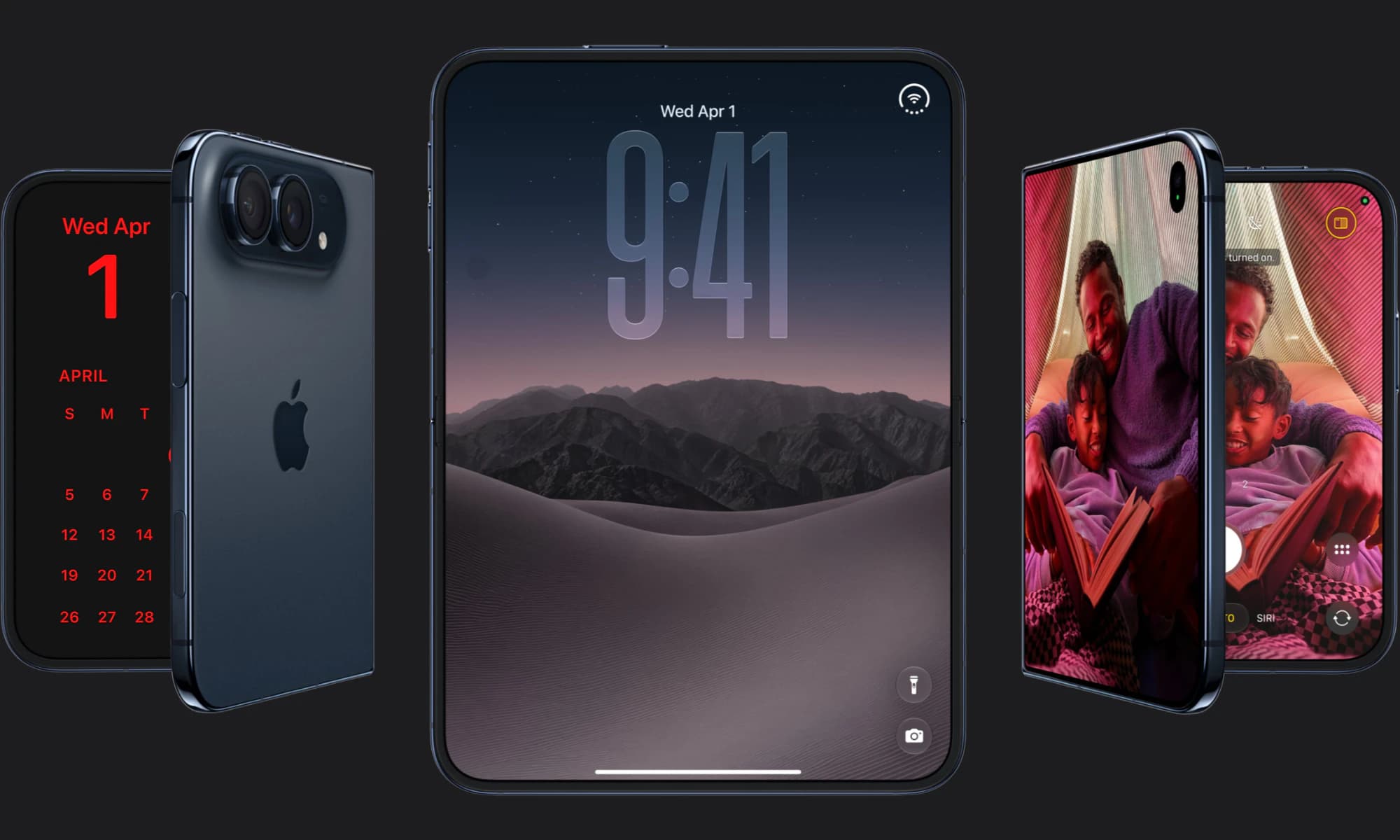
Apple has finally joined the foldable party after seven years, but was it right to wait?
iOS 27 is here! Check out key features and whether your iPhone is compatible.