0330 123 4609
Menu
6G could change your phone faster than you think, but the biggest shift may not be speed.

Written by Sneha Kashyap, Content and PR Executive | Conscious Consumption and Tech Trends
Last updated on 14 May 2026
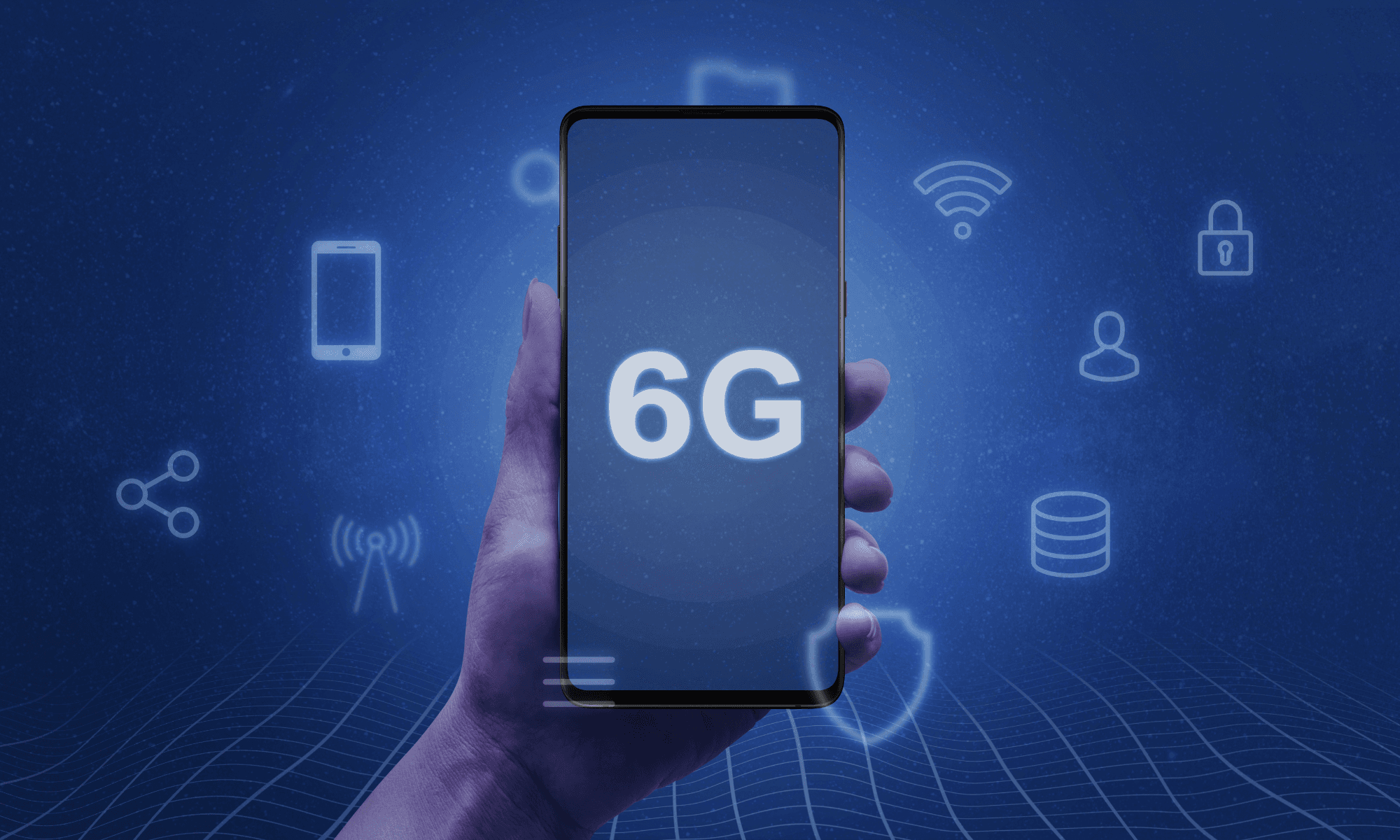
It feels like yesterday we heard of 5G arriving, and now, the mobile industry is already gearing up for the launch of 6G. So, when is 6G coming to the UK? How much faster will it be? And will it bring any noticeable change to how we use our phones? In this blog, we answer all of these questions and more. Read on.
6G, which stands for “sixth-generation” of mobile network technology, is the successor to 5G. Just like the previous generations of phone network connectivity, 6G aims to improve download and upload speeds, network reliability, responsiveness, capacity in crowded areas, and offer better support for connected devices.
Unlike previous generations, 6G will focus heavily on AI-powered networks, real-time cloud computing, and immersive digital experiences. This means not just faster internet on our phones, but it could also change the way we potentially use them in the first place.
6G is set to launch around 2030. By the end of this decade, most telecom companies, governments, and network equipment manufacturers expect the first commercially available 6G networks to launch. In the UK specifically, early 6G testing is likely to begin between 2027 and 2029, and major cities will see limited rollout around 2030. The UK government and Ofcom are currently discussing spectrum allocation and future mobile infrastructure to support 6G networks, while standalone 5G is still being expanded across the country. So, 6G coverage availability nationwide could take several years.
Only time will tell how fast 6G truly is, but current research is looking positive: experiments at University College London (UCL) indicate that 6G could be 9,000 times faster than 5G! Currently, typical peak speed for 5G is up to 10 Gbps. But for 6G, it could potentially be 100 Gbps to 1 Tbps. That means you could download a 4K movie in seconds!
Before you get your hopes up, however, a word of caution: peak lab speeds are rarely what people experience in day-to-day life. The more meaningful improvements we’re likely to see are faster uploads, better coverage indoors, more stable connections in busy areas, lower battery usage, and reduced lag during video calls and gaming. And hopefully, the signal won’t drop when you travel through a tunnel.
You will need a new phone when 6G eventually launches. Current smartphones won’t be able to support 6G because it will run on different frequency bands, just like 4G phones couldn’t access 5G networks. That said, in the coming years we should see manufacturers starting to release the next generation of phones compatible with 6G, which will, in turn, spark a new wave of upgrades. This transition might happen quite seamlessly as by that time your current phone might run out of support, and you will need an upgrade anyway. Or if you’re among those who hold onto their phones for an average 4.1 years, 6G compatible phones might become available on the refurbished market by then and that way you can get a phone that’s “as good as new” and save some money.
6G could potentially improve battery life. Although faster networks usually consume more power initially, 6G research is heavily focused on energy efficiency and smarter network management. This kind of efficiency is heavily dependent on AI to optimise background app activity, data usage, signal strength, and power consumption.
Given that AI-powered phones have historically depreciated faster, significant battery improvements could potentially slow down depreciation and change the current negative consumer perception. In the meantime, you can use these optimisation techniques to boost your Android or iPhone battery before either 6G or replaceable batteries (in the EU) are rolled out.
6G is still very much in the research phase, so the exact challenges around data security and privacy are yet to be seen. The AI-native side of 6G certainly comes with a lot of promises: networks automatically manage traffic, support for autonomous vehicles, coordinate smart cities, and improve overall efficiency without human intervention. While that sounds exciting, it also creates new opportunities for cyberattacks.
6G will also rely heavily on edge computing, which processes data closer to users and devices instead of sending everything to centralised servers. This can improve speed and performance, but it also means there will be many more connected access points that hackers could potentially target. And as 6G is set to digitise every aspect of our lives, the scale of data certainly increases vulnerability.
Researchers are exploring ways to strengthen security, but some risks may not yet be fully understood because 6G will operate on completely different frequency bands. Faster connectivity means the stakes for cybersecurity and data privacy are higher than ever. As long as the risks are mitigated sufficiently, the new technology could be beneficial.
6G has the potential to become something more than just a faster version of 5G. While headline speeds will grab attention, the real impact may come from smarter AI features, seamless connectivity, immersive experiences, and more powerful cloud-based smartphones. At the moment that is still a good few years away and when 6G finally arrives, it could reshape how we use mobile devices entirely. But until then, there’s still plenty of life left in the current generation of phones.
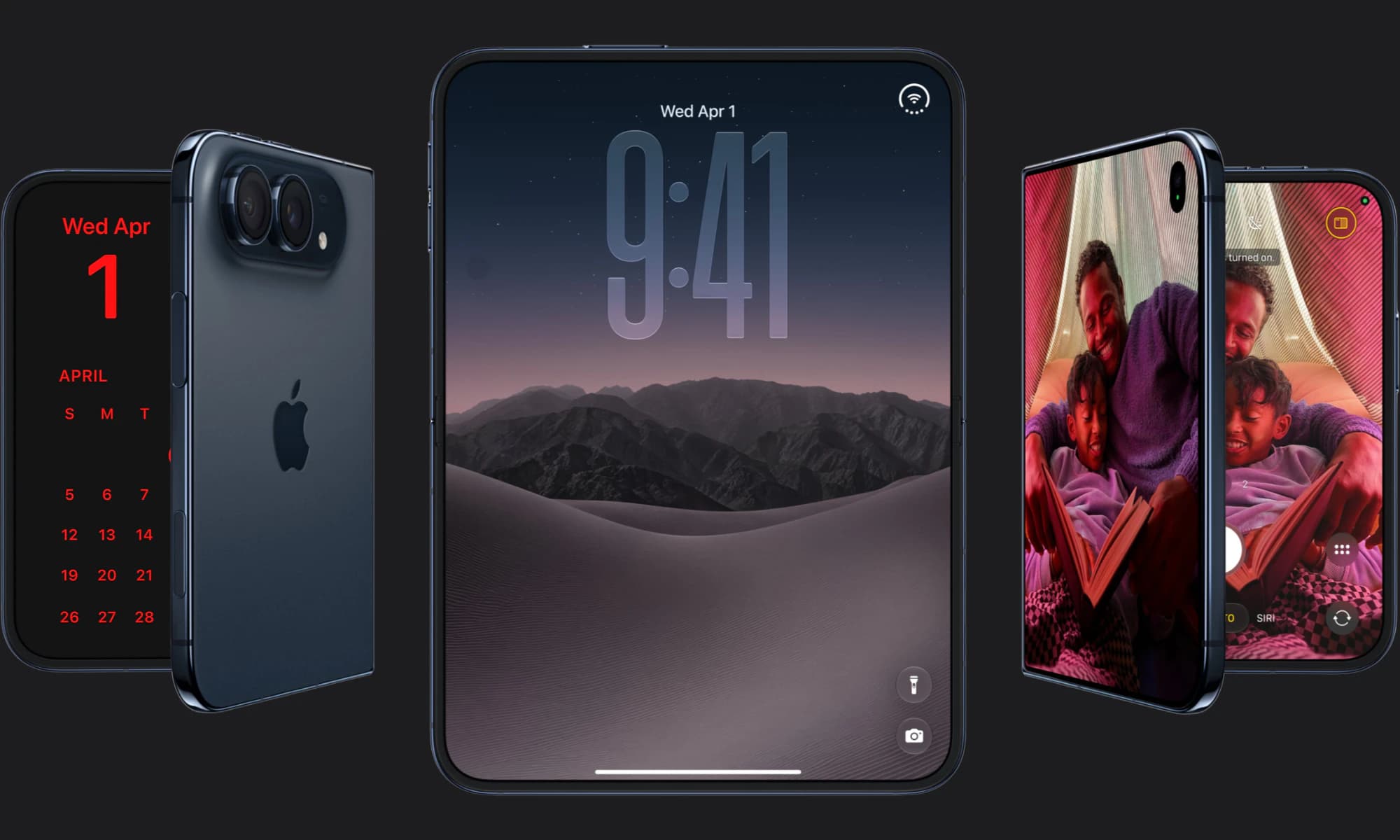
Apple has finally joined the foldable party after seven years, but was it right to wait?

iOS 27 is here! Check out key features and whether your iPhone is compatible.

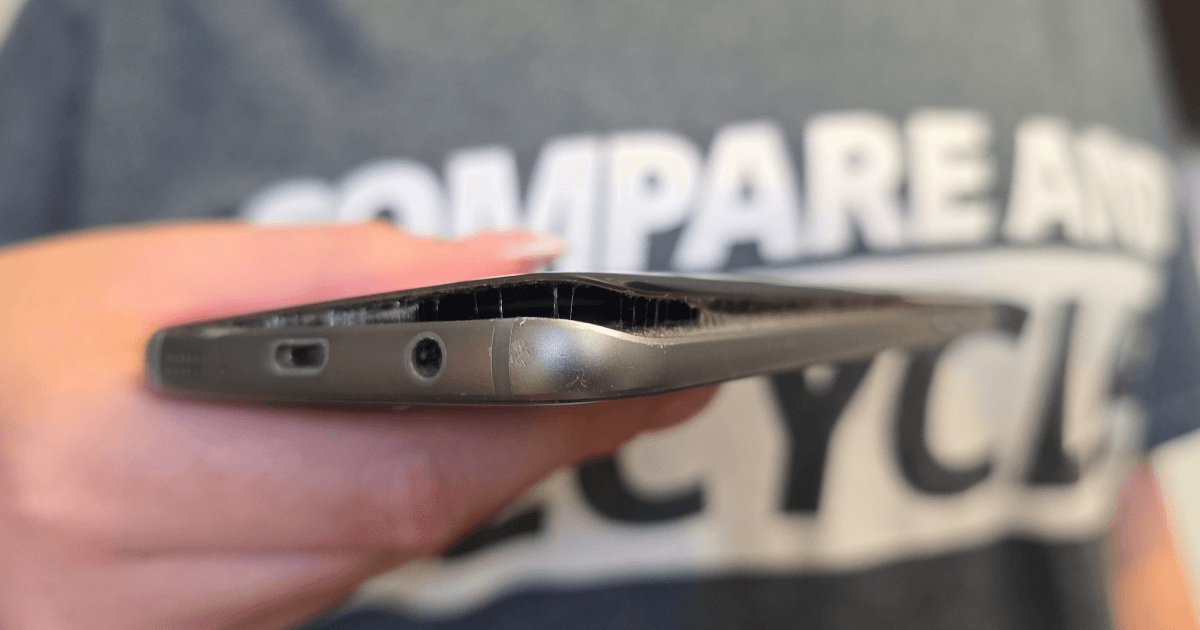
Storing old phones isn’t as harmless as it seems. Here’s why it’s worth digging out your old phone to avoid a hazardous situation.