 0330 123 4609
Menu
Our most comprehensive iPhone depreciation study, updated for 2025, reveals how iPhones are holding their value and what are they worth now.

Written by Sneha Kashyap, Content and PR Executive | Conscious Consumption and Tech Trends
Last updated on 12 December 2025
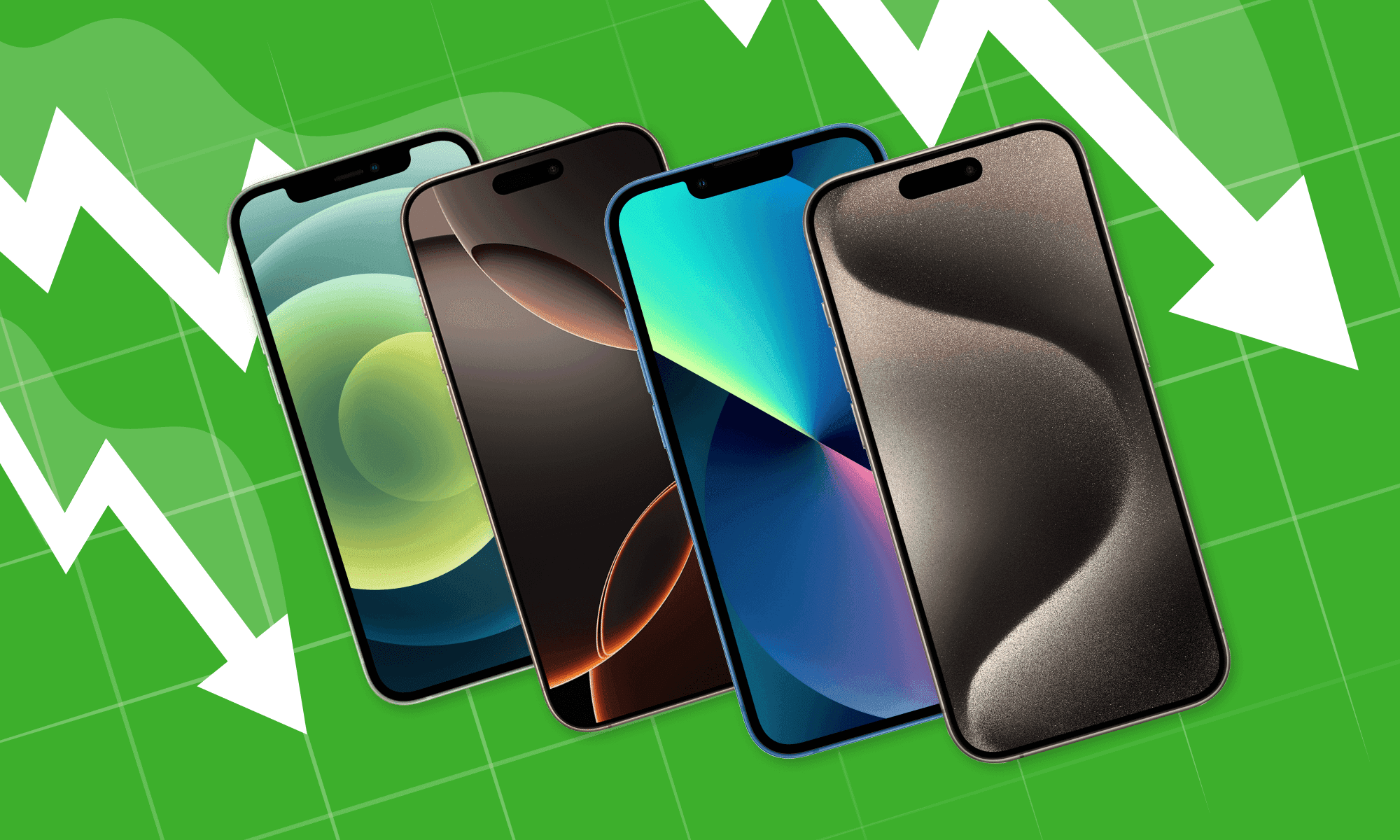
In our most comprehensive iPhone price tracking study yet — updated for 2025 — we’ve analysed trade-in values for every model since the iPhone 7. This deep dive reveals how much your older iPhone could be worth right now, and how the upcoming iPhone 17 lineup might impact prices when you decide to sell your iPhone.
Our data illustrates that the value of iPhones depreciates over time with the highest depreciation rate from the original retail price occurring within the iPhone’s first year on the market. The data that we have analysed discloses more about what happens to iPhone resale prices when a new generation of iPhone gets released.
An iPhone will lose upwards of 25% of its retail value the second you unbox it at launch and up to 51% in the first year of ownership, according to resale price trends of iPhone 16 series.
Looking at more recent releases, the iPhone depreciation rate in the first year is increasing. The iPhone 13 series lost 40.09% of their value, the iPhone 14 lineup lost 47.80% and the iPhone 15 series depreciated by 55.57% on average in its first year. However, iPhone 16 series depreciation has decreased and averaged at 45.07%.
The iPhone 16 series is the first lineup in three years which showed a decreased first year depreciation rate compared to its predecessors, on average losing £116 less than the iPhone 15 series.
A trend where iPhone Pro models are depreciating slower than their non-Pro counterparts from the same lineup is continuing.
The largest drops for older models occur as new iPhones are released or just prior to release/after the announcement. Trade-in prices drop by 9% after the official announcement from Apple, then enter a period of fluctuation prior to release and decrease further by an average of 20% (or £100) after the release.
Through the month of August and early September trade-in prices are traditionally at their highest hence it is the best time to sell your iPhone.
During the second year post-release, iPhones reach a plateau and depreciate much slower than during the years before and after.
The iPhone 11 was the first flagship device from Apple that was released with a lower retail price than its predecessor, which has had a clear effect on the prices of previous models. The XS range had the sharpest drops after the iPhone 11 release, this was repeated in 2022 with the iPhone 13 release and its effect on previous releases.
The 2024 iPhone generation is set to lose the most around the launch date of the 2025 iPhone models, our study estimates that iPhone 15 series value will drop at least £115, and most older iPhones will experience their biggest value loss of the year around the same time.
In its first 12 months since launch, the iPhone 16 series has depreciated by an average of 45.07%, translating to a drop of £521.11 across the lineup. This puts it among the lesser-hit iPhone generations in recent years, however, the higher-capacity models are struggling to retain their value.
The iPhone 16 Pro 1TB experienced the steepest drop, losing 51.46% of its value, which roughly translates to £64 per month. Other Pro variants didn’t fare much better: the 512GB version depreciated by 50.96% (£560) and the 256GB by 50.50% (£454). This trend suggests that top-tier storage options, while powerful and most expensive to buy, are also most vulnerable to early depreciation.
However, not all models performed poorly. The iPhone 16 Pro 256GB, 512GB, and Pro Max 256GB variants held their value far better, depreciating by just under 41% on average. In fact, the iPhone 16 Pro 256GB retained the most value of the entire series, dropping only 39.90%, making it the most cost-effective model to resell or trade in.
These numbers serve as a timely reminder for prospective iPhone 17 buyers making storage size and model variant crucial factors when upgrading.
Depreciation data of iPhone 16 to iPhone 16 Pro Max based on resale price tracking.
With four iPhones to choose from and multiple capacities in between that bring the total number of devices in this lineup to 13. The iPhone 15 lineup carried on with another iteration of the Plus model, but despite offering something extra in the Plus models for a higher retail price, this didn’t translate in higher value retention and during its first year on the market, the iPhone 15 series saw a value drop of 55.57% on average with the iPhone 15 Plus 512GB dropping by a whopping 62% which is record-breaking depreciation of any iPhone to this day. That means that the value of the entire lineup halved in just 12 months.
Depreciation of iPhone 15 series based on resale price tracking
To put into real money terms, the iPhone 15 Plus models had the biggest value drop in the first 12 months, losing £609.51 (which is £75 more than iPhone 14 Plus lost in 2023-2024). Individually, the 512GB model of the iPhone 15 Plus has seen the worst first year depreciation, losing in total £749 of its value or £62 per month since launch.
Out of the entire iPhone 15 lineup, the iPhone 15 Pro 128GB and 256GB variants suffered the least during the first 12 months on the market, dropping by 50.23% (£501.81) and 50.27% (552.51) respectively. That’s something to keep in mind when upgrading to the new 2024 iPhone models.
Similar to previous generations of iPhones, we’re observing that higher capacity models, especially the 1TB variants, are depreciating the worst. Whereas Pro and non-Pro models in smallest capacities appear to be retaining their values better.
As a whole, the iPhone 15 series have depreciated the most, setting a record of losing on average 55.57% (£645.92) which is the first time in iPhone history that the value of a one-year old lineup more than halved or £601.32 off the retail price in the first 12 months on the market.
With the value drop being this record high it’s becoming even more financially beneficial not to opt in for the latest releases and make the environmentally responsible choice of keeping your current iPhone for longer or buying a refurbished iPhone. If you're set to upgrade your iPhone, consider choosing a Pro or a Pro Max variant and avoid 1TB capacities as they hold their value slightly better and exercise caution with Plus models.
Its first 12 months on the market, the iPhone 14 512GB saw a 50% drop in value or £497- that’s huge! Whilst the iPhone 14 Pro Max 1TB dropped a whopping £920 which is the worst depreciation among the whole iPhone 14 lineup and any iPhone ever, hitting a £76 drop each month.
Following the iPhone 15 series release, the iPhone 14 models had their first significant value drop losing 20% or £99 across the lineup. The biggest hit was taken by the iPhone 14 Plus 128GB model which dropped by 26% (£105). The resale prices dipped further post Christmas reaching below £600 mark and plateauing for the remainder of pre-iPhone 16 period with no uptick in value in August 2024.
Depreciation data of iPhone 14 to iPhone 14 Pro Max based on resale price tracking
Depreciation data of iPhone 13 Mini based on resale price tracking
The third year for the iPhone 13 range wasn't lucky, and the value of the entire lineup devalued further by £81 on average. The introduction of the iPhone 15 models back in 2023 chopped off 20% of the iPhone 13 models with the Mini variants suffering the most and losing up to 28%. Unusually, this time around the 128GB iPhone 13 Mini lost the most - £77.
The base iPhone 13 128GB however has experienced third year depreciation the least, losing only £36 of its remaining value. The 256 and 512GB variants got more affected by the iPhone 15 release in 2023 which cost them £96 and £87 in value.
iPhone 13 average trade-in price since its release
iPhone 13 Pro average trade-in price since its release
During the first 12 months on the market, the iPhone 13 Pro and iPhone 13 Pro Max both lost an average of 41% off their retail value. That works out at an eye watering amount of £620 for the 512GB Pro Max, in just one year. The iPhone 14 series brought a further loss of £114.74 on average to the entire Pro range of the iPhone 13. The aftermath of iPhone 15 series coming out hit the Pro range of iPhone 13 lineup quite severely - the iPhone 13 Pro Max 1TB lost £148 of its value in just a few weeks. But the bad news didn’t stop there as November 2023 brought a further value drop of £65 on average across the Pro models. For the remainder of 2024 the resale value of iPhone 13 Pro series has been floating between £290-420, with a £33 average increase in the run up to iPhone 16 launch.
iPhone 13 Pro Max average trade-in price since the release
iPhone 12 Mini average trade-in price since release
In the first year the iPhone 12 and the iPhone 12 Mini have both lost an average of 44% off their retail price which was a record back then among the entry level models compared to previous releases. The 2021 iPhone release has brought a value drop of 13% or £56 on average to the iPhone 12 Mini range, with the 256GB variant losing the most - £75.
The iPhone 12 range wasn’t protected from a 15% average drop in value after the iPhone 14 series release. The introduction of the iPhone 14, back in 2022, took an average of £134.64 off of the iPhone 12 models value, with again the highest capacity model depreciating the most with a loss of £140.10. Following on from the iPhone 15 launch, the iPhone 12 Mini dropped further by £22 on average and the iPhone 12 lost around £40 of value. The resale prices continued to reduce in 2024 bringing the value down to between £150 - 200 with a slight uptick for the base iPhone 12 model in the lead up to 2024 iPhone launch.
iPhone 12 average trade-in price since release
iPhone 12 Pro average trade-in price since release
During the first 12 months on the market, the iPhone 12 Pro and iPhone 12 Pro Max both lost an average of 41% off their retail value. That works out at an eye watering amount of £620 for the 512GB Pro Max, in just one year. The iPhone 14 series brought a further loss of £249.91 on average to the entire Pro range of the iPhone 12.
The release of the iPhone 15 series shaved off another £54 of the Pro models’ value. For the remainder of 2024 the resale value of iPhone 12 Pro Max has been floating between £255 - £290 and the iPhone 12 Pro models have been fluctuating in the region of £218-255. However the anticipation of the iPhone 16 lineup has increased the resale prices by 11%, so iPhone 12 owners deciding on their next upgrades are in a better spot to trade their iPhones than anytime earlier in 2024.
iPhone 12 Pro Max average trade-in price since release.
iPhone SE (2020) average trade-in price since release
Apple releasing a truly budget iPhone has proved a really popular decision among iPhone users. On the resale market, there was huge fluctuation at launch with iPhone SE 2020 value determination, but has evened out by the end of 2021 and remained fairly stable in 2022-2023. As the graph above shows, the iPhone (2020) has been subjected to minimal value drops by 2021 flagships coming to the market which has instead boosted the resale prices of the SE back to its early 2021 prices for a couple of months. During its second year on the market, the SE (2020) has depreciated by 30% and could have been traded in for a price between £100 - £140 in the run up to iPhone 15 launch. After the 2024 flagship launch, the SE (2020) value was hovering over £50 and this trend continued throughout the months leading up to iPhone 16 release.
Interestingly, iPhone SE 2022 model's depreciation went in reverse after the launch of the iPhone 14 series gaining up to £40 during 3 months post launch. Followed by a deep dive for the majority of 2023, the resale prices peaked back up, with only the 64GB variant going below £200 prior to iPhone 15 release. The aftermath of iPhone 15 lineup joining Apple portfolio was more dramatic than we’ve ever observed for the iPhone SE (2022) - £49 depreciation in September 2023 and the resale prices continued to trend downwards dropping to below £150.
We don't expect these iPhone models to drop in value as much as the more premium devices with the launch of the iPhone 16, so these resale prices are likely to remain consistent until Christmas.
The iPhone lineup that Apple unveiled back in September 2019 is an interesting one. Firstly, there were three iPhone models with a distinctive pricing strategy and consumer appeal. The iPhone 11 has not been considered to be a low-end iPhone compared to the iPhone XR or SE 2020 for example, but rather as a cheaper flagship model and a move from Apple to introduce a slightly more affordable flagship device to the masses. The iPhone 11 Pro and iPhone 11 Pro Max on the other hand offered more premium user experiences which many Apple users would choose as a more lavish option. This popularity among upgraders is now translating into the iPhone 11 models being the most traded iPhones in 2024.
iPhone 11 average trade-in price since release
Following the launch of next generation iPhones, prices tend to drop suddenly in September, then fairly consistently drop for the following months. This is what we see happening to the iPhone 11 models after the iPhone 13, iPhone 14, iPhone 15 series announcements. Resale prices tend to level out across the new year and remain relatively unchanged until July. In the case of the five years old iPhone 11, 2024 has been gentle on the lineup and all capacities have reached a good spot in the lead up to the iPhone 16 lineup, with the iPhone 11 64GB being a clear winner after 5 years and retaining 21% of its original retail price and those trading it in at the moment are enjoying a decent return.
iPhone 11 Pro average trade-in price since release
The iPhone 11 Pro 64GB prices have dipped dramatically with the release of the iPhone 14 series. September 2022 with the new iPhone 14 series lineup has taken on average £54.92 off of iPhone 11 Pro resale prices. The iPhone 15 range devalued iPhone Pro further by £48.79 and drove the resale prices below £200 in early 2024. However, the news of iPhone 16 launching has boosted the iPhone Pro models’ value by £67.84 on average, so now is the time to trade and upgrade with up to £223 back in your pocket.
iPhone 11 Pro Max average trade-in price since release
The iPhone 11 Pro Max models have followed a similar depreciation pattern to the iPhone 11 Pro models. Overall, after five years the 11 Pro and Pro Max devices have dropped an average of 79% off their retail prices, losing only an additional 10.89% (£26.85) of value during the 5th year on the market. This again reinforces thinking that keeping your iPhone for at least three-four years and then recycling it is the optimal upgrade cycle to reduce the depreciation rate you experience and get the most value out of your iPhone.
As Apple prepares to launch the iPhone 17, several older models have officially entered obsolete or unsupported territory. While some of these iPhones still hold resale value, they pose increasing risks for users due to discontinued iOS updates and lack of security patches.
If you're still using an iPhone XS, 8, 7, or earlier, it’s time to consider upgrading. These models are no longer eligible for the latest iOS versions, meaning they won’t receive critical security updates — putting your personal data at risk. Even the once-flagship iPhone X and iPhone XR have neared the end of their viable life span for daily use, despite holding onto decent trade-in value.
However, there’s still time to act. You can trade in these iPhones for cash before their value dips further. Reselling now, especially just before the iPhone 17 release date, is a smart move if you want to make the most of your aging device.
Trade-in Values of Older iPhones (as of August 2024)
| iPhone Model | Average Trade-in Value |
|---|---|
| iPhone XS/XS Max | £67 to £78 |
| iPhone XR | Up to £80 |
| iPhone X | Around £37 |
| iPhone 8/ 8 Plus | Around £23 |
| iPhone 7/ 7 Plus | Around £10 |
If you want to buy one of the new iterations of the iPhone (either one of the most recent Apple devices or the latest iPhone 17 when it comes out in September 2025), then ensure that you follow the below advice:
Lock in a price before the announcement to ensure the highest pay out for your old iPhone. If you are looking to trade in your older iPhone and upgrade to one of the iPhones that Apple is currently offering, then you can do so during the first week of September as the demand for older iPhones among recyclers is at its highest and recyclers will be willing to pay extra for a working iPhone in good cosmetic condition.
For those of you who tend to upgrade to brand new flagships, you ought to keep your eyes peeled for the announcement date and place your trade-in order on the launch day by the latest.
Lower capacity versions depreciate at a lower rate in the first year, so if you're a frequent upgrader, consider opting in for the lowest capacity model.
Our data on newer generations of iPhones suggests that depreciation is more gentle on Pro models of iPhones so if you’re planning on getting one, consider Pro or Pro Max variants as these will hold their value better than base or Plus models.
Make sure you follow our step-by-step guide to completely remove your personal data from your phone before selling it.
Using Compare and Recycle's historic price tracking we've analysed averaged monthly trade-in price data across all variants of iPhone models since the release of the iPhone 7 in September 2017 to the iPhone 16 in September 2024 to determine depreciation rate of older iPhone generations over time and how the newest iPhone release impacts trade-in values.
6G could change your phone faster than you think, but the biggest shift may not be speed.
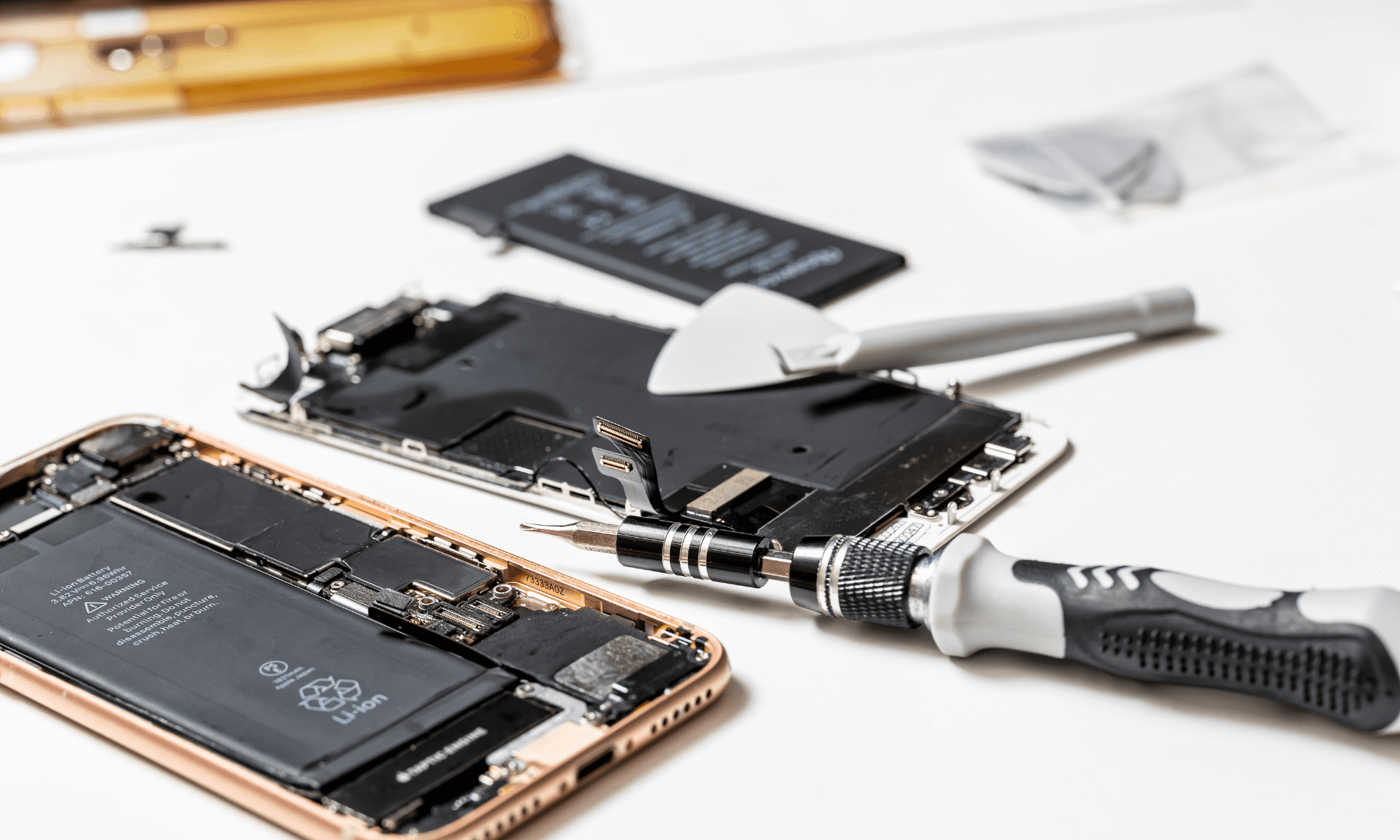
The EU’s 2027 battery rule sounds simple, but hidden details could reshape smartphones and how long they last.
That quick glance at your phone while driving could cost more than you think… but the real consequences might surprise you.


