0330 123 4609
Menu
Running out of storage? Try these easy tips to free space on your iPhone or Android.

Written by Sneha Kashyap, Content and PR Executive | Conscious Consumption and Tech Trends
Last updated on 19 October 2026
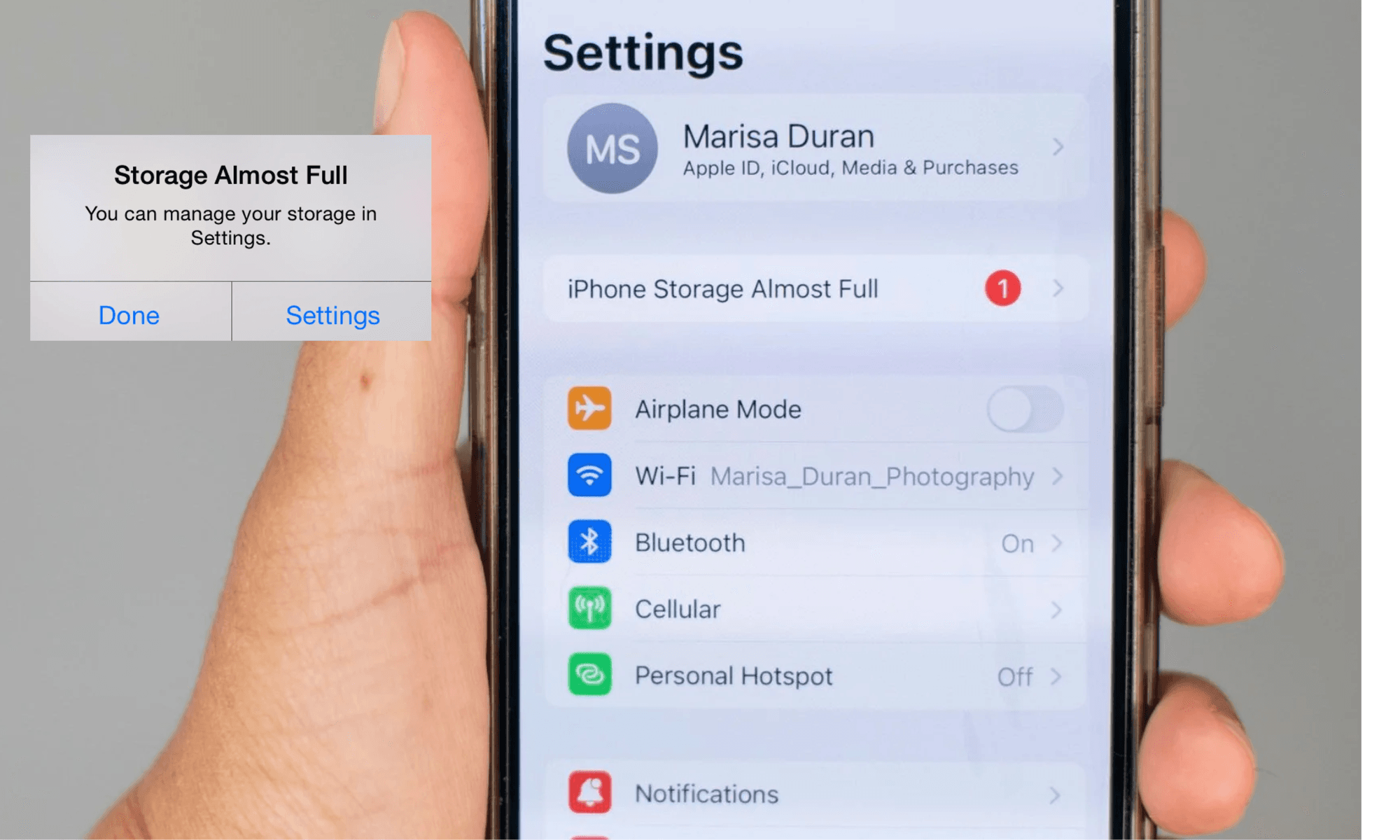
Running out of phone storage always seems to happen at the worst possible moment - when you’re trying to take a photo, download an app, or install an update. Whether you’re trying to clear your storage on an iPhone or Android, the good news is that you don’t need to delete everything you love. A few smart tweaks can quickly reclaim space and keep your device running smoothly.
In this guide, you’ll learn:
Why your storage is full - even after deleting files
Practical ways to free up space on Android or iPhone
What to do if your phone is still full afterwards
Both Android and iPhone devices trigger the “Storage Almost Full” alert when your remaining space drops too low for new apps, system updates, or media. The biggest culprits are usually:
High-resolution photos and videos (especially 4K or HDR).
Large apps and games.
Files stored by social apps (WhatsApp, Instagram, TikTok, etc.).
Cached data and temporary files.
Offline maps, downloads and podcasts.
Modern smartphones create lots of background data, so even if you don’t take many photos, your apps might quietly be filling up your device.
Choosing what to delete is always a challenge, as everything stored on your phone is important to you. But there's a solution, and here's what you can do:
The first and most important step to freeing up storage space on your phone is figuring out what is taking up the most storage. The easiest and fastest way to do this is by checking your Android or iPhone's settings.
On iPhone:
Settings → General → iPhone Storage
On Android:
Settings → Storage (wording varies slightly by brand)
You’ll see a colour-coded bar showing how much space is used by photos, apps, media, messages, and system data. This will help you quickly prioritise what to clear first.
Your camera roll is usually the biggest space hog, and freeing up some of this storage should be your priority. To do this quickly, follow these steps:
Sort photos and videos by size.
Delete duplicate files and old screenshots.
Remove long 4K/HD videos.
Move large files to a laptop, external drive, or cloud service.
For Android: Some devices support expandable microSD storage - a fast way to add space cheaply.
For iPhone: You’ll need to offload files to iCloud, your computer, or other cloud tools (Dropbox, Google Drive, OneDrive).
Apps can quietly store gigabytes of data, especially games, social media, and video editing apps. Deleting or offloading those apps that you no longer use will help you to free up space you desperately need.
On iPhone: Use “Offload Unused Apps”
This will remove the app but keep your documents and settings. You can reinstall it anytime.
On Android: Clear Cache or Storage
Clearing the cache will delete temporary files like your search history. Deleting the app will both clear out the cache and any other settings.
Cloud services can free up huge amounts of local storage while letting you easily access them on your phone. Of course, there are different options for Android and iPhone users when it comes to this kind of service.
Google Photos (Android + iOS)
15GB free shared across Google services.
Compress files to save space without sacrificing quality.
iCloud Photos (iPhone)
5GB free (low cost upgrade to increase storage)
Enable “Optimise iPhone Storage” to keep smaller versions on-device.
You can also opt for alternate cloud storage providers such as Dropbox, Microsoft One Drive, Google Drive, and Box. These services offer storage space that is accessible from the internet and can also be shared with other people in a few easy steps.
On the other hand, if you would rather not pay for extra storage on your phone or tablet, you can back up your data on a laptop or external storage device. This will keep all of your data safe and accessible.
Messages and the attachments that come with them, can quickly use up your storage space. So it's important to go through your text messages, as well as instant messaging apps like WhatsApp.
Message App
Go to Settings → Messages → Keep Messages → Select 30 Days or 1 Year.
This will automatically delete older messages.
Go to Settings → Storage and Data → Manage Storage
Review categories like “Larger than 5MB” or “Forwarded Many Times”.
Offline content is often overlooked, but can easily take several gigabytes. Make sure to check your downloads in the following:
Spotify / Apple Music / YouTube Music
Audible and e-book apps
Netflix, Disney+, Amazon Prime Video
Google Maps or Apple Maps
Delete anything you’ve already listened to or watched. For maps, remove any offline areas you no longer need. To avoid losing access to files, make sure you back it up before deleting permanently.
If you've removed obvious files but still need more space, your phone's built-in cleanup tools can help identify unnecessary content.
Files by Google on Android
On compatible Android devices, Files by Google can help you:
Find duplicate files.
Identify old downloads and screenshots.
Review suggested files for deletion.
Remove junk files and other temporary content.
Find apps you no longer use.
Open Files by Google and select the Clean section to review the available suggestions. Read each recommendation carefully before confirming deletion.
You can also use your phone manufacturer's file manager or cleanup tool if one is provided.
What about iPhone?
The iPhone Storage screen includes recommendations when they're available. These may help you offload unused apps, review large attachments or manage other content.
Review each recommendation before enabling it so you understand what will be removed or changed.
Deleted files aren’t permanently removed from your phone straightaway; they usually remain in the bin for up to 30 days. Depending on what phone you have, review the contents of your Bin or Recently Deleted folder to permanently delete everything.
After removing files, return to your phone's storage settings to see whether the available space has changed.If the figures appear unchanged, give the device time to process the changes and try restarting it. Then check the storage breakdown again. If one category, such as System Data on an iPhone or system storage on Android, still appears unusually large, consult the manufacturer's or operating system's troubleshooting guidance before attempting advanced fixes.
A factory reset should be a last resort, not the first step. It erases data from the device, so make sure you have a verified backup and understand what will be lost before considering it.
If you’ve performed the above checks, and your storage is still full, it may be time for an upgrade. Sell your phone through Compare and Recycle and compare prices from more than 25 different recyclers to get the best price possible.

We investigate how often lithium-ion batteries cause fires in bin lorries and UK waste sites, why is it an issue and what are the recycling habits fuelling it.

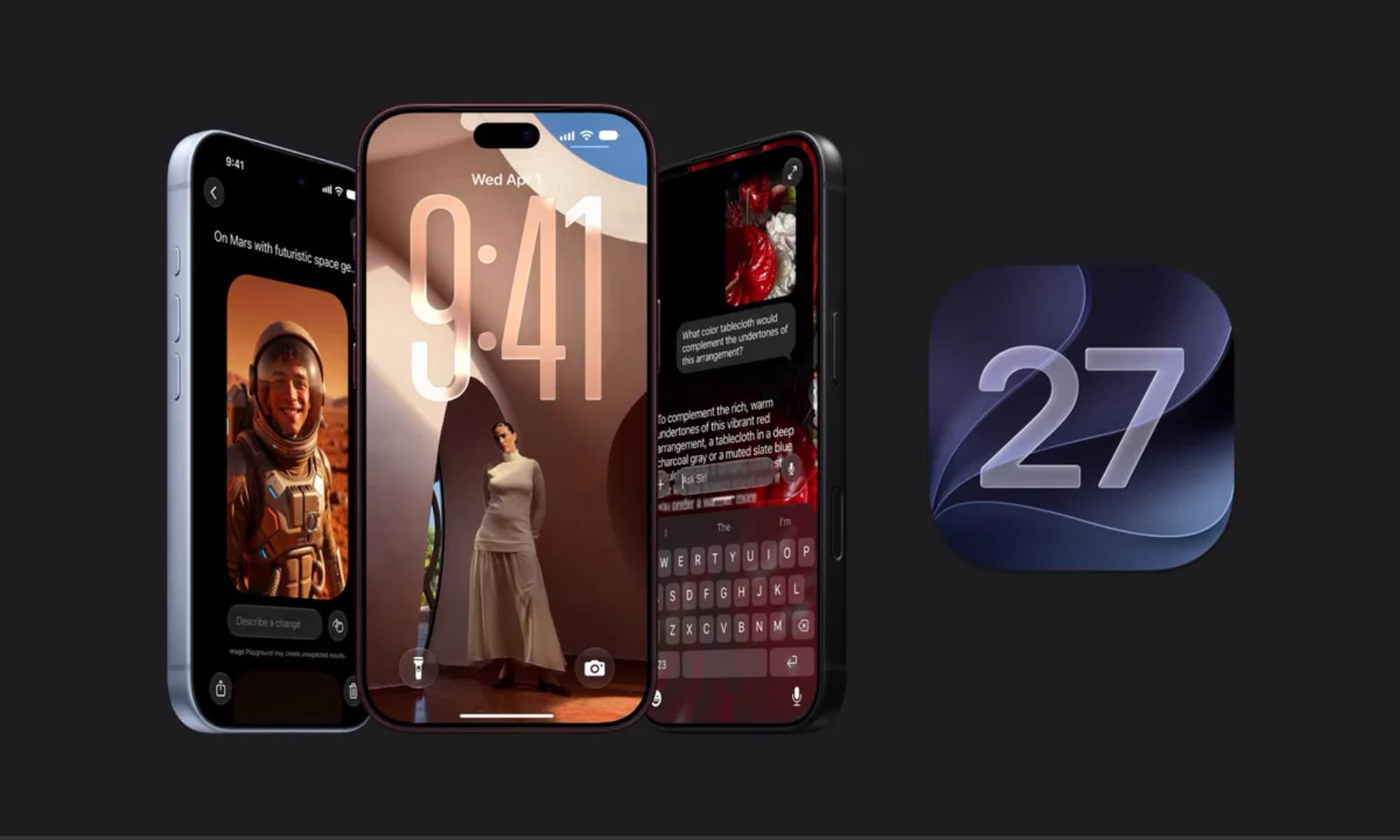
iOS 27 is here with a host of hidden tools, smarter AI, and useful upgrades. Could it change how you use your iPhone?
Apple has finally joined the foldable party after seven years, but was it right to wait?