0330 123 4609
Menu
The journey of mobile phones in the UK is a fascinating tale of innovation and cultural transformation.

Written by Antonia, Head of Marketing | Consumer Electronics and Money-Saving
Last updated on 17 July 2024
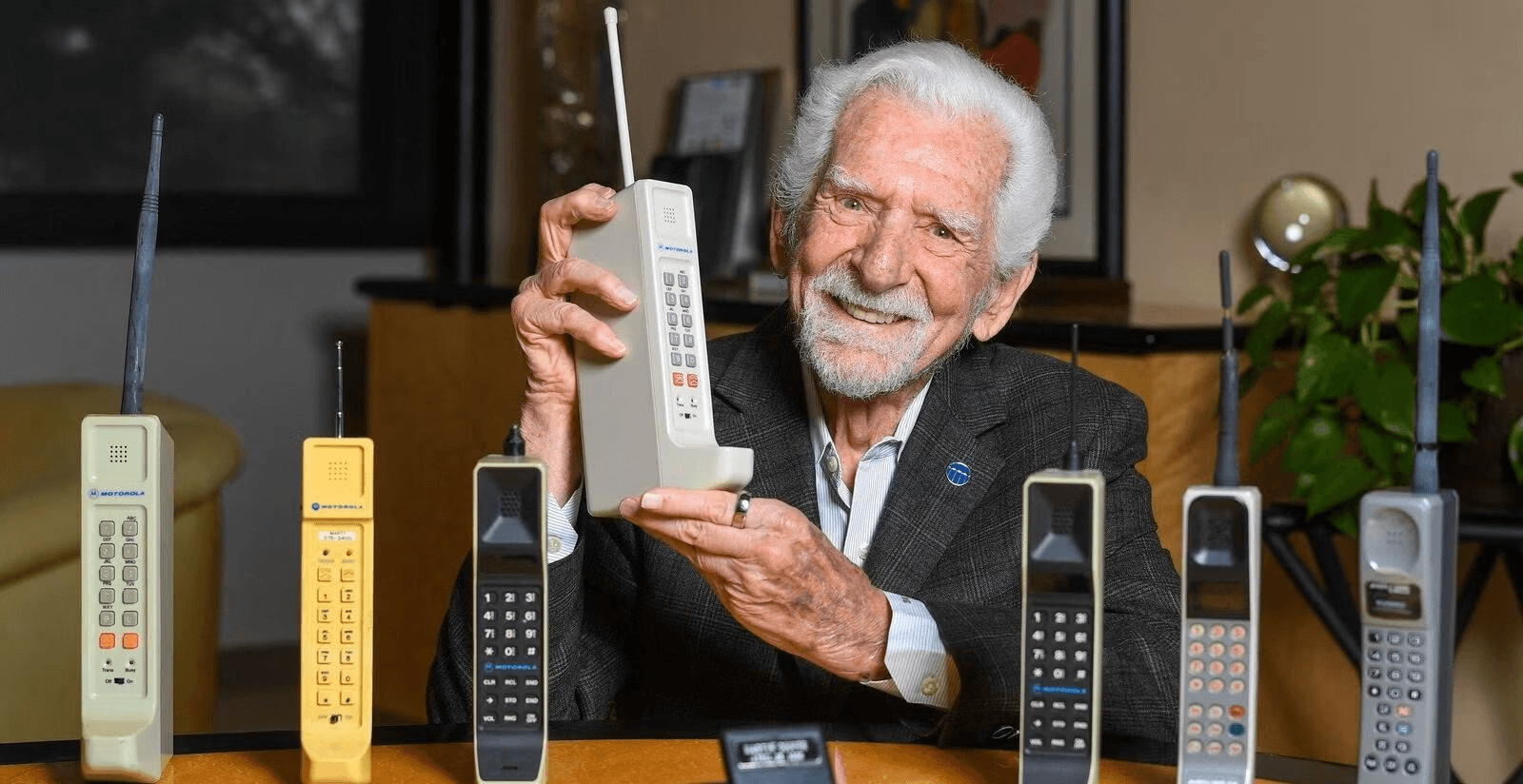
Mobile phones have evolved from bulky, expensive devices to indispensable tools that connect us globally. The journey of mobile phones in the UK is a fascinating tale of innovation and cultural transformation. So, let's delve into the history of those little things we now have in our pockets.
The concept of a mobile telephone dates back to the early 20th century, but the modern mobile phone as we know it today began to take shape in the mid-20th century. In 1973, Dr. Martin Cooper, a researcher at Motorola, made the world's first public mobile phone call using a prototype device in New York City. That device was Motorola DynaTAC 8000X that weighed 1.13 kilograms and it was capable of just 30 minutes of talk time. This marked a pivotal moment in telecommunications history, setting the stage for the future of mobile communication.
In the UK, the journey of mobile phones began in the 1980s. Vodafone launched the first commercial mobile network, 1G (first generation), in 1985. This network enabled users to make voice calls using mobile phones significantly larger and heavier than today's models. The mobile phone market grew slowly initially due to high costs and limited coverage.
Mobile phones started gaining popularity in the UK during the 1990s as technology improved and prices decreased. The introduction of digital networks (2G) in the early 1990s, followed by advancements like SMS (Short Message Service), made mobile phones more versatile and appealing to a broader audience.
The turning point came in the late 1990s and early 2000s with the launch of 3G networks, which enabled faster data speeds and paved the way for services such as mobile internet browsing and multimedia messaging. This era saw a significant increase in mobile phone ownership as devices became more affordable, compact, and feature-rich.
By the mid-2000s, mobile phones had become mainstream in the UK. They were not just communication tools but also status symbols and essential business tools. The introduction of smartphones, led by the iconic Apple iPhone in 2007, further revolutionised the mobile industry by integrating advanced computing capabilities, touchscreen interfaces, and a wide range of applications.
Today, mobile phones are all over the UK and around the world. They have evolved into powerful devices that connect us not only through voice calls and text messages but also through social media, email, video calls, and countless other applications. The mobile phone industry continues to innovate with advancements in 5G technology, artificial intelligence, augmented reality, and more.
As we look to the future, the evolution of mobile technology promises even greater connectivity and possibilities yet to be imagined.
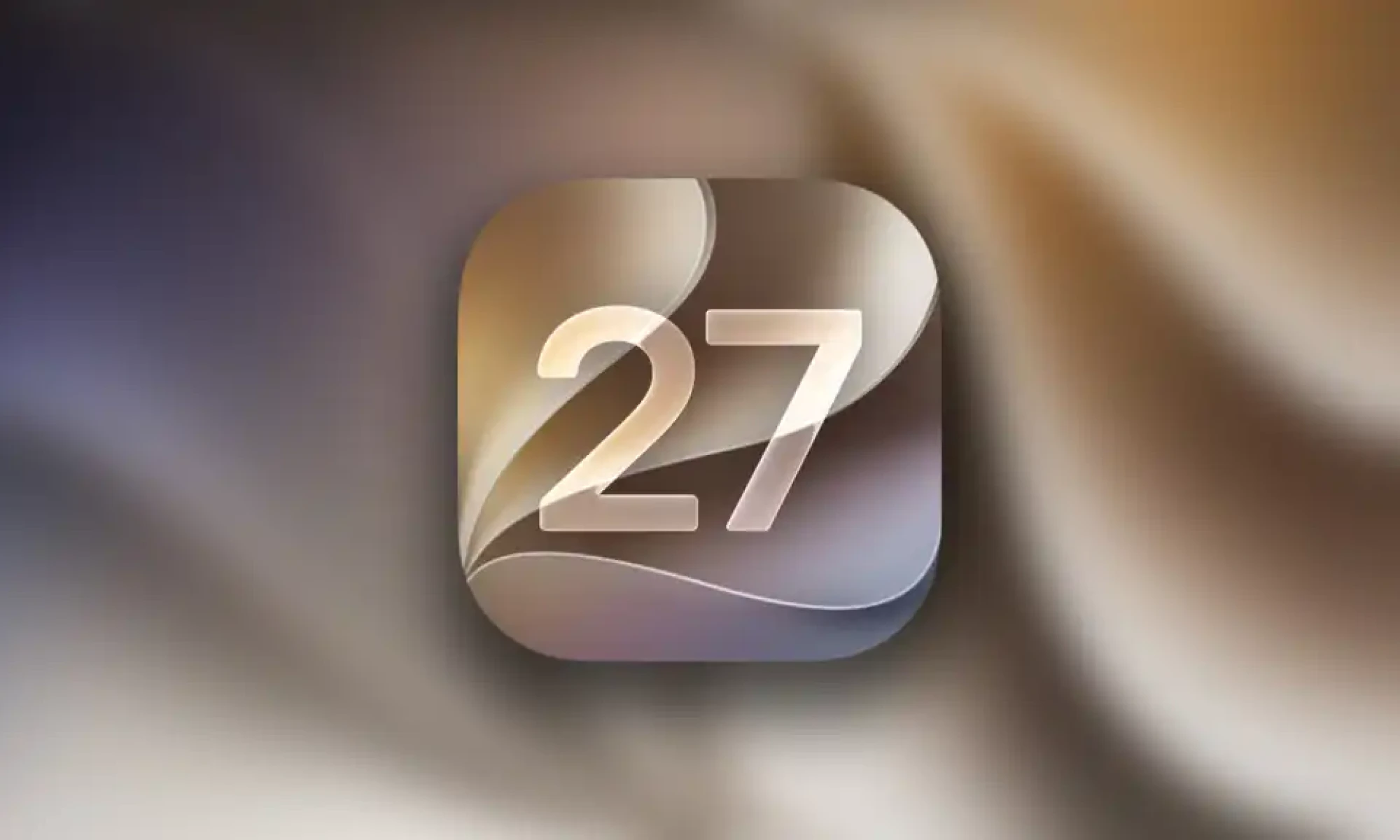
iOS 27 is here! Check out key features and whether your iPhone is compatible.

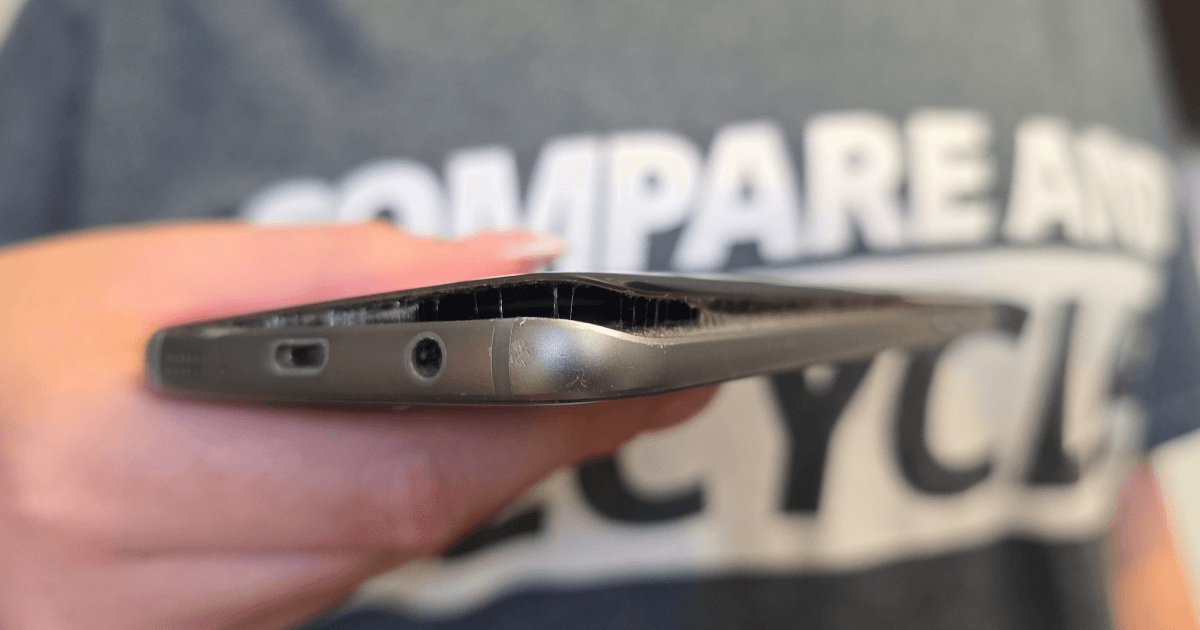
Storing old phones isn’t as harmless as it seems. Here’s why it’s worth digging out your old phone to avoid a hazardous situation.

In this first part of our Holiday Mode On series, we’ll cover essential accessories you need to pack to protect your phone from mishaps when on holiday.