 0330 123 4609
Menu
Apple’s recycling robot Daisy helps reduce e-waste. We explore how it works and Apple’s ongoing efforts to make tech more environmentally friendly.

Written by Antonia, Head of Marketing | Consumer Electronics and Money-Saving
Last updated on 26 March 2026
Apple has shared company's Environmental Report describing the changes tech giant implemented to reduce its overall environmental impact.
Apple's longtime environmental goal was to go all in renewable energy and this year the company hit the milestone - operations are powered by 100% renewable energy globally.
Apple Park - company's newbuilt headquarters - operates on solar panels and biogas fuel cells.
In cooperation with suppliers, Apple found opportunities to increase energy efficiency. Combining Apple's efforts since 2011 and 2017 included, the company has saved 70 million kWh of electricity per year. Apple has reduced emissions by 54% from its facilities worldwide.
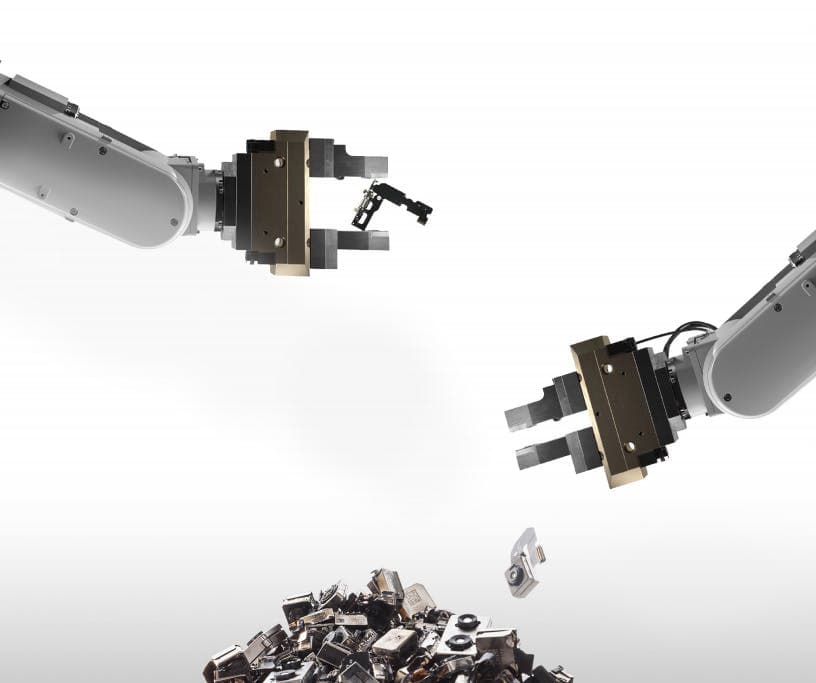
The report brings out Apple's recent and advanced robot Daisy. The robot is company's recycling key resource. Daisy mines materials from old devices and can disassemble 200 iPhones per hour. The components taken apart are redirected to recyclers for recovery and collected materials will progress the creation of products without digging materials from the Earth. Daisy recovers components that traditional recyclers are unable to and sorts valuable materials that are sent back to secondary markets for further use.
Apple intends to supply Daisy to Europe and United States to process end-of-life iPhone 5, iPhone 5s, iPhone SE, iPhone 6, iPhone 6 Plus, iPhone 6s, iPhone 6s Plus, iPhone 7, and iPhone 7 Plus that are returned by customers.
From every 100,000 iPhones Daisy can potentially recoup:
• Aluminum 1900 kg
• Gold 0.97 kg
• Silver 7.5 kg
• Rare earth elements 11 kg used in magnets for audio applications, in
cameras, and in haptics technology.
• Tungsten 93 kg used in Apple's Taptic Engine and other consumer electronics that enable devices to vibrate
• Copper 710 kg used for printed circuit boards, cables and connectors
• Palladium 0.10 kg
• Tin 42 kg for the solder on the main logic board
• Cobalt 770 kg used for batteries
• Tantalum 1.8 kg
Greenpeace isn't a fan of Apple's newest recycling robot and has responded to Daisy's debut with critisism stating that Apple has to focus on producing devices with higher longevity and repairability rather than more efficient recycling methods. As reported by Macrumors Greenpeace Senior analyst Gary Cook calls Apple to work towards producing devices that will last longer and embrace "Right To Repair":
"Rather than another recycling robot, what is most needed from Apple is an indication that the company is embracing one of its greatest opportunities to reduce its environmental impact: repairable and upgradeable product design. This would keep its devices in use far longer, delaying the day when they'd need to be disassembled by Daisy."
Customers want to keep their devices longer, as evidenced by a 3 to 4 week wait for a battery replacement at Apple retail stores earlier this year, when Apple was compelled to dramatically reduce the replacement cost."
Apple's dedicaion to environmental improvements is definitely something other manufacturers need to embrace. For example, Samsung Electronics currently run their operations on only 1% renewable energy.
Even with more efficient recycling robots, consumers are left with devices that last no longer than 2-3 years and demand for battery replacements within Apple's discounted repair program indicates people would rather use their phones for longer and uprgade only when needed naturally.

Apple has finally joined the foldable party after seven years, but was it right to wait?


iOS 27 is here! Check out key features and whether your iPhone is compatible.

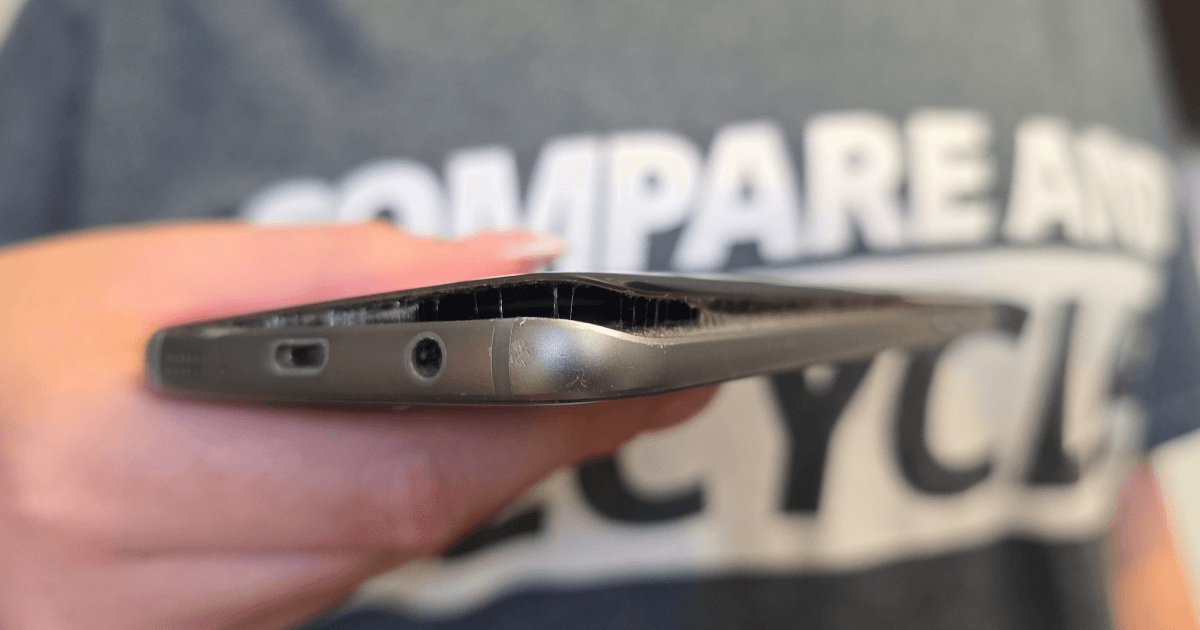
Storing old phones isn’t as harmless as it seems. Here’s why it’s worth digging out your old phone to avoid a hazardous situation.


