 0330 123 4609

Menu
Discover the phones that take the best low-light and night photos.

Written by Sneha Kashyap, Content and PR Executive | Conscious Consumption and Tech Trends
Last updated on 30 October 2026
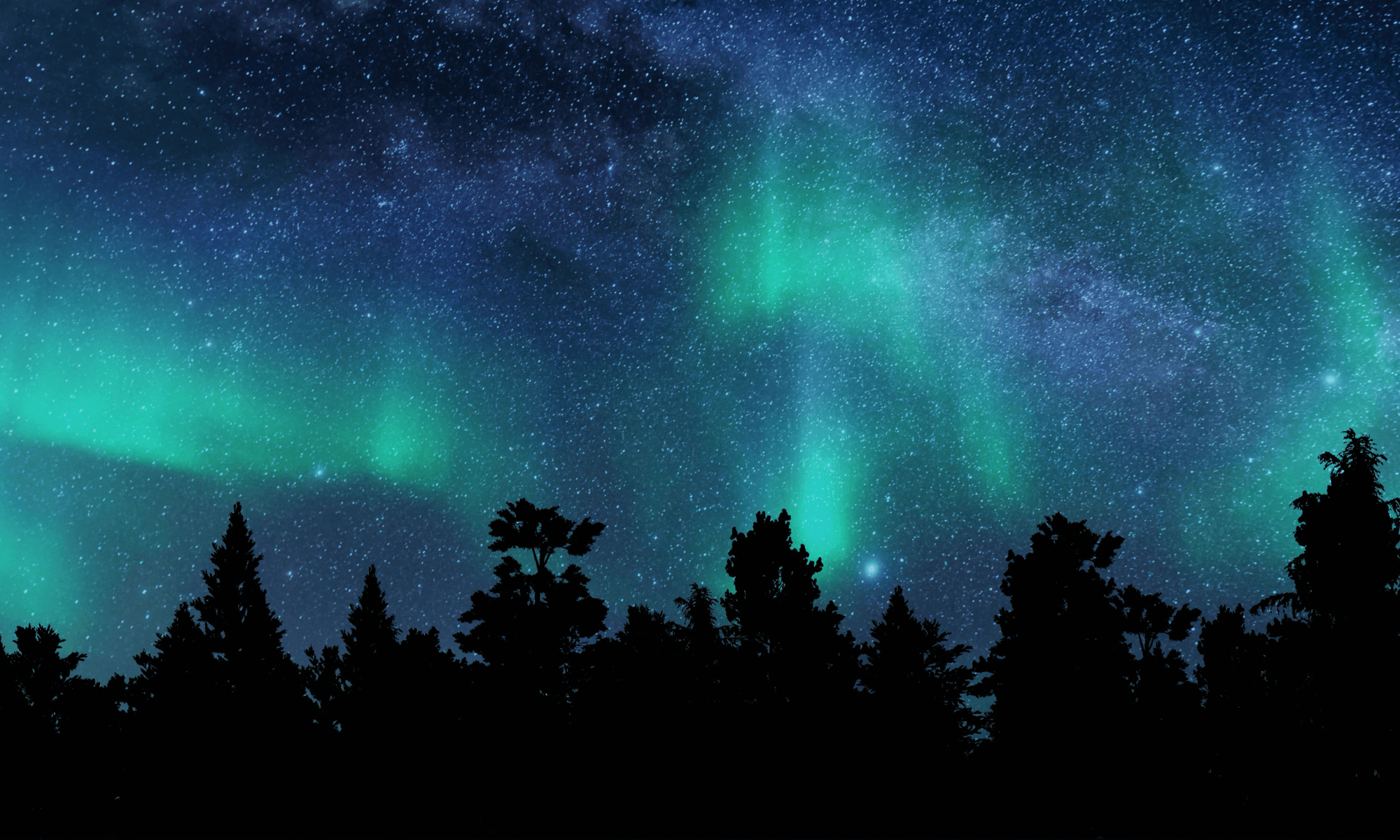
Capturing the beauty of a star-filled night sky can be a challenge for even the most skilled smartphone photographers. Low light, motion blur, and digital noise often get in the way of that perfect shot. That’s why choosing one of the best smartphones for night photography can make a world of difference. However, with so many devices boasting “AI-powered cameras” and “pro-grade sensors,” it can be challenging to determine which ones truly deliver when the sun goes down.
In this guide, we’ll walk you through our top picks for 2026 - each proven to capture stunning night and astrophotography shots.
Samsung Galaxy S26 Ultra - Best All Rounder
Apple iPhone 18 Pro - Best for Night Videography
Google Pixel 11 Pro - Best for Astrophotography
Vivo V70 FE - Best Mid-range Pick
HONOR Magic 9 Pro - Best Telephoto Zoom
Xiaomi 18 Pro Max - Most Versatile Camera System
Ready for better night shots?
Your next phone camera could cost less than you think. Compare trade-in offers for your current phone and see what you could put towards your next upgrade.
Perfect for: Cityscapes, astrophotography, and handheld low-light photography.
The Samsung Galaxy S26 Ultra is built to take clearer, brighter photos after dark. Its 200 MP main camera, with a wide f/1.4 aperture and optical image stabilisation (OIS), is designed to capture more light and help reduce blur. Think of the aperture as a window: the wider it opens, the more light can enter. Alongside the main camera, you get a 50 MP ultra-wide camera, a 50 MP 5× zoom camera and a 10 MP 3× zoom camera. This gives you plenty of flexibility, whether you're capturing a whole city street, taking portraits under streetlights or zooming in on a distant landmark.
Credits: Frances Dolbey
Samsung's Nightography technology combines light capture with AI processing to make night-time photos look clearer, with less grain and more natural colours. For example, when photographing a brightly lit street at night, the camera aims to keep details visible in darker areas without turning shop signs and headlights into bright, featureless patches. These improvements also benefit night-time videos, helping footage look cleaner when lighting is limited. Results will still depend on the surroundings, but the goal is to capture more of what you can actually see.
For those who want to get creative, the Galaxy S26 Ultra includes Expert RAW with an astrophotography mode for photographing stars and the night sky. Head somewhere away from city lights, set your phone on a tripod and use a longer exposure to capture stars that might be difficult to see in a regular photo. It's a useful option for anyone interested in trying smartphone astrophotography without investing in dedicated camera equipment. Overall, the S26 Ultra has one of the best smartphone cameras with tools for everything from everyday night-time snapshots to more adventurous photography.
Night Mode Tips
For everyday night shots: Open the Camera app and use Photo mode, where low-light processing is integrated into the shooting experience.
For astrophotography: Open Expert RAW and select its astrophotography mode; use a tripod or another stable surface for long exposures.
For the best low-light detail: Start with the 200 MP main camera, which has the widest aperture at f/1.4.
For distant night scenes: Try the 5× telephoto camera when you need extra reach, keeping the phone steady to minimise blur.
Perfect for: Portraits and handheld low-light shots with natural colour balance.
The iPhone 18 Pro is designed to make night photography simple, even when the lighting isn't ideal. Its 48 MP main camera has a variable aperture that opens to f/1.48, allowing more light in when the surroundings get dark. Think of it like opening a window wider to brighten a room. Alongside a 48 MP ultra-wide camera and a 48 MP telephoto lens with 4× optical zoom, it gives you plenty of options for capturing everything from atmospheric city streets to distant buildings. It also offers 8× optical-quality zoom, helping you frame faraway subjects without needing to move closer.
Credits: Apple
Apple combines its camera hardware with smart image processing to improve photos taken in low light. Technologies such as Photonic Engine, Deep Fusion and Smart HDR 5 help reduce grain, preserve fine details and balance bright lights with darker surroundings. Night Mode adjusts automatically to the available light, so you can focus on taking the picture rather than fiddling with settings. This is particularly useful for evening portraits, illuminated landmarks and candid shots where you want skin tones to look natural rather than overly bright or washed out.
For photography enthusiasts, the variable aperture offers more control over how much light enters the camera and how much of the scene stays in focus. Additional camera controls let you adjust settings such as shutter speed and white balance when you want to experiment beyond automatic mode. The 18 MP Centre Stage front camera also supports Night Mode, making it useful for selfies and group photos in dimly lit restaurants or at evening gatherings. Overall, the iPhone 18 Pro aims to combine easy everyday shooting with extra flexibility for those who want to get creative after dark.
Night Mode Settings
For automatic night shots: Open the Camera app and select Photo mode. Night Mode activates when the phone detects sufficiently low light.
For the best low-light results: Start with the 48 MP main camera at its widest f/1.48 aperture.
For darker scenes: Tap the Night Mode control and adjust the capture duration when the option is available.
For distant subjects: Use the 4× telephoto lens when you need extra reach, but keep the phone steady to reduce blur.
For night selfies: Switch to the 18 MP Centre Stage front camera and look for a nearby light source to keep faces clear and natural.
Perfect for: Astrophotography, street scenes, and long-exposure creative photography.
Credits: Alex McTaggart
The Google Pixel 11 Pro is a strong option for night photography, especially if you enjoy capturing city lights, evening landscapes or the stars. Its triple camera system includes a 50 MP main camera, a 48 MP ultra-wide camera and a 48 MP telephoto camera with 5× optical zoom. In everyday terms, that means you can capture a wide view of a city, fit more of a night-time scene into your photo or zoom in on a distant building. Its zoom can reach up to 120×, although images at the highest settings may lose detail, much like enlarging a small picture on your screen.
The Pixel 11 Pro's Instant Night Sight feature is designed to capture brighter, clearer photos in less time, while its telephoto camera is said to be more sensitive to light. This can be especially helpful when photographing people or busy streets, where movement can make night-time shots blurry. Google's smart image processing also helps balance bright lights and dark shadows, keeping photos looking natural rather than making the whole scene appear unnaturally bright. For beginners, Camera Coach offers helpful guidance on composition, making it easier to frame a better shot even when the lighting is challenging.
The Pixel 11 Pro is also designed for anyone keen to photograph the night sky. Its astrophotography mode can capture stars when you head somewhere away from city lights, while Long Exposure mode lets you create effects such as streaks of car headlights or silky-looking flowing water. The 42 MP front camera, with autofocus and a wide field of view, is another useful addition for group selfies and evening gatherings. Overall, the Pixel 11 Pro combines helpful automatic features with creative tools for anyone who wants to take their night photography further.
Night Mode Settings
For everyday low-light shots: Open the Camera app and select Night Sight, or use Photo mode and let Instant Night Sight assist when needed.
For darker scenes: Keep the phone steady and allow Night Sight to finish its capture before moving.
For astrophotography: Head somewhere with minimal light pollution, open Night Sight, and rest the phone on a tripod or stable surface. The astrophotography option becomes available when the phone detects that it is sufficiently still.
For the best night sky detail: Start with the main 1× camera and avoid digital zoom unless you have a specific composition in mind.
For creative night scenes: Experiment with Long Exposure for light trails and moving subjects, using a stable support to keep stationary details sharp.
Your next camera could cost less than you think
If your current phone struggles with low light photography, check how much you can sell it for before you upgrade.
Perfect for: Budget-friendly astrophotography and handheld night street photography.
Image Credits: Huramobil
The Vivo V70 FE is worth considering if you want good night-time photos without spending flagship-phone money. Its main attraction is a 200 MP main camera with a relatively large sensor, an f/1.88 aperture and optical image stabilisation (OIS). Together, these features help the camera capture light and reduce blur, making it easier to photograph illuminated buildings, evening streets and night-time scenes. There's also an 8 MP ultra-wide camera for fitting more into the frame and a 32 MP front camera for selfies. While it doesn't have the same camera versatility as more expensive phones, its main camera has plenty to offer for everyday night photography.
The V70 FE is designed to deliver pleasing results without making you adjust lots of settings yourself. Its Night mode works with image stabilisation and smart image processing to brighten darker areas, control bright lights and keep colours looking natural. This is useful when photographing a lively street or taking portraits in a dimly lit restaurant. The AI Aura Light provides extra illumination for portraits, helping faces stand out when the surroundings are dark. However, the ultra-wide camera is less suited to low light, so switching to the main camera is usually the better choice when the lighting gets tricky.
The phone also offers portrait options and AI-assisted zoom features, giving you more ways to frame your shots. You can focus on a friend beneath city lights, capture details in a busy street or crop a photo to bring attention to a particular subject. The high-resolution main camera gives you extra room to crop images afterwards, although zooming in too far can reduce detail, especially at night. Overall, the Vivo V70 FE is a practical choice for budget-conscious photographers who want a capable main camera for capturing everyday moments after dark.
Night Mode Settings
For everyday night shots: Open the Camera app and select Night mode, or use Photo mode and let automatic processing handle darker scenes.
For the best low-light detail: Stick to the main 200 MP camera at 1×, where optical stabilisation and the larger sensor work to your advantage.
For night portraits: Enable AI Aura Light when available to illuminate faces without relying entirely on nearby streetlights.
For wider night scenes: Switch to the ultra-wide camera when capturing expansive cityscapes, but expect softer details and more noise in very dark conditions.
For night sky photography: Find a location away from artificial light, stabilise the phone on a tripod, and experiment with Night or Super Moon mode where appropriate. For stars, avoid digital zoom and allow the camera to complete its exposure.
Perfect for: Crisp star photos and low-light landscapes.
The HONOR Magic 9 Pro is designed for photographers who want plenty of detail and flexibility when taking pictures after dark. Its camera system features a 200 MP main camera with a large sensor and a wide f/1.57 aperture, a 200 MP periscope telephoto camera for zooming in on distant subjects, and a 50 MP ultra-wide camera for capturing more of the scene. Think of it as having three different ways to tell the same story: you can photograph an entire city skyline, focus on an impressive building or zoom in on details across the street. The large sensors and wide main-camera aperture are particularly useful when light is limited.
Credits: HONOR
One of the phone's key strengths is its focus on keeping photos sharp. HONOR promotes advanced image stabilisation designed to reduce blur caused by hand movements, which can be especially helpful when taking photos at night without a tripod. Its high-resolution cameras also give you more freedom to crop your pictures later, so you can bring attention to a particular detail without immediately losing too much clarity. The ultra-wide camera is useful for capturing expansive night scenes, although the main camera is generally the better starting point when lighting is poor.
For photography enthusiasts, the HONOR Magic 9 Pro offers plenty of potential for capturing atmospheric landscapes, illuminated buildings and distant details after dark. HONOR's collaboration with ARRI also brings professional-inspired colour and filmmaking expertise to video, making it appealing to those who enjoy creating cinematic-looking clips as well as still photos. Overall, it's a promising choice for anyone who wants a versatile camera phone that can handle both detailed night shots and creative video.
Night Mode Settings
For everyday night shots: Open the Camera app and select Night mode if available, or begin in Photo mode with automatic low-light processing.
For the best low-light clarity: Start with the 200 MP main camera and keep the phone steady to maximise detail.
For zoomed night scenes: Try the 200 MP telephoto camera when photographing distant buildings or illuminated landmarks, ideally with a tripod or stable support.
For wide night landscapes: Switch to the 50 MP ultra-wide camera to capture more of the surrounding scene, bearing in mind that smaller sensors generally struggle more in very dark conditions.
For astrophotography: Choose a dark location, stabilise the phone, and experiment with longer exposures if supported by the camera software. Avoid digital zoom when capturing stars, as it can reduce fine detail.
Perfect for: Astrophotography and creative night sky compositions.
The Xiaomi 18 Pro Max is built for people who want detailed night-time photos and plenty of creative options. Its triple camera system includes a 200 MP main camera with a large sensor, an f/1.7 aperture and optical image stabilisation (OIS), alongside a 200 MP periscope zoom camera with 3.2× optical zoom and a 50 MP ultra-wide camera. In simple terms, you can capture a wide city skyline, zoom in on a distant building or fit an entire night-time landscape into your shot. The main camera's wide aperture helps it take in more light, while stabilisation helps reduce blur when you're shooting handheld.
Credits: Alyn Wallace
The phone combines its camera hardware with Leica optics, laser autofocus and a colour sensor designed to improve focusing and colour accuracy in tricky lighting. This can help when photographing a street filled with bright shop signs and dark corners, where getting the balance right makes all the difference. Optical stabilisation is also useful for keeping photos sharp when light levels drop. For video enthusiasts, support for 8K recording, slow-motion 4K video and advanced colour options provides extra flexibility for creating and editing footage.
The Xiaomi 18 Pro Max is also worth considering for night landscapes and astrophotography. Its main camera is the best place to start when capturing as much light as possible, while the zoom camera lets you frame distant landmarks and illuminated buildings more closely. The ultra-wide lens is useful when you want to include more of the surrounding scenery, although the main camera will generally be the better choice in very dark conditions. Overall, it's designed to appeal to photographers who want versatility, detailed images and creative control after dark.
Night Mode Settings
For everyday night shots: Open the Camera app and select Night mode if available, or begin with Photo mode and its automatic low-light processing.
For the best low-light detail: Use the 200 MP main camera at 1×, taking advantage of its f/1.7 aperture and large sensor.
For zoomed night scenes: Switch to the 200 MP periscope telephoto with 3.2× optical zoom and OIS. Keep the phone steady for sharper results.
For wide night landscapes: Use the 50 MP ultra-wide camera to capture city skylines and expansive surroundings, preferably where some ambient light is available.
For astrophotography: Find a location away from artificial lighting, stabilise the phone on a tripod, and use a longer exposure if supported by the camera software. Avoid digital zoom when photographing stars to preserve as much fine detail as possible.
So there you have it - the best smartphones for night photography in 2026. Whether you’re capturing the Northern Lights, city skylines, or late-night portraits, these phones deliver professional-level results right from your pocket.
If you’re planning to upgrade, don’t forget to recycle your old phone. It’s a simple way to reduce waste, support sustainability, and earn some cash back while upgrading to a model that captures the stars.
We investigate how often lithium-ion batteries cause fires in bin lorries and UK waste sites, why is it an issue and what are the recycling habits fuelling it.

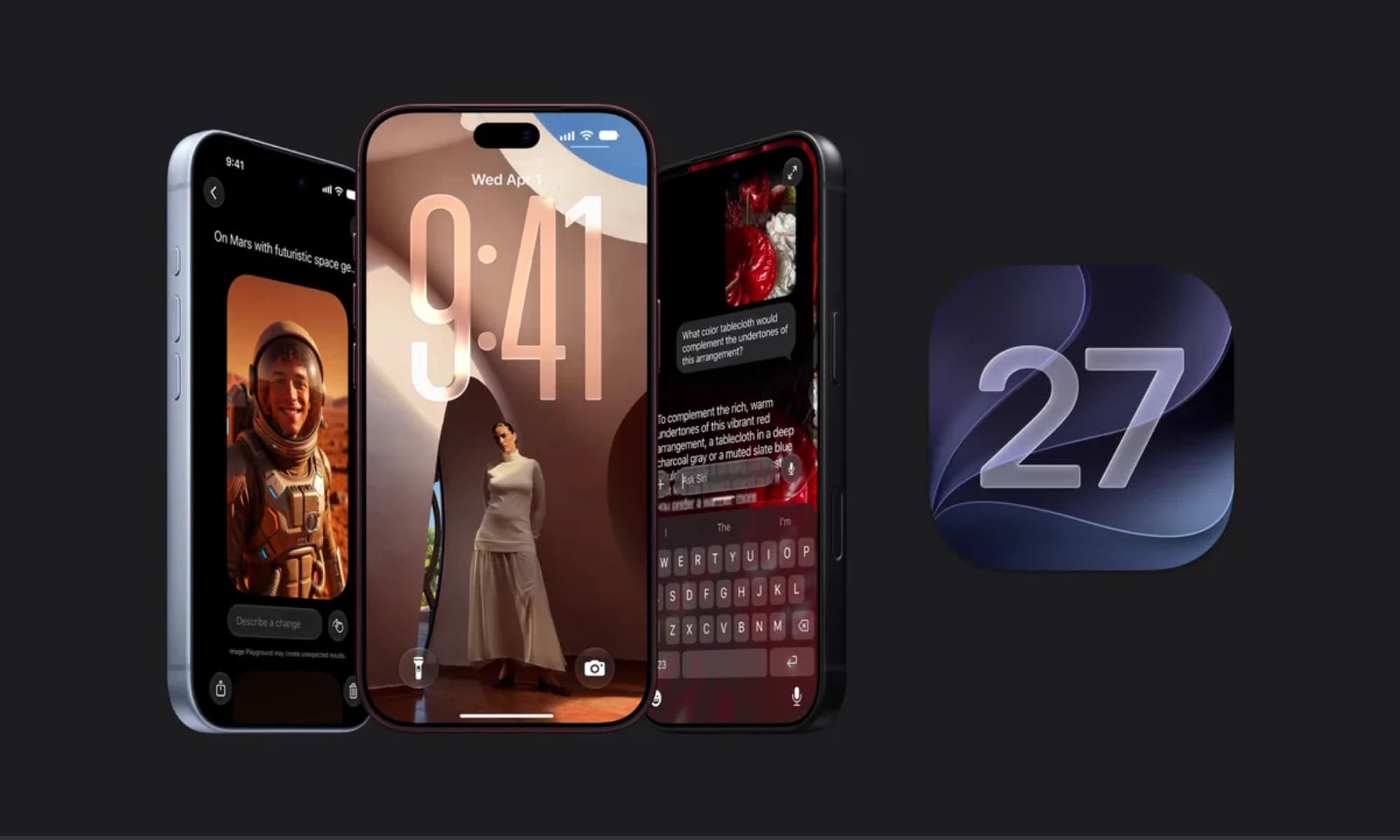
iOS 27 is here with a host of hidden tools, smarter AI, and useful upgrades. Could it change how you use your iPhone?
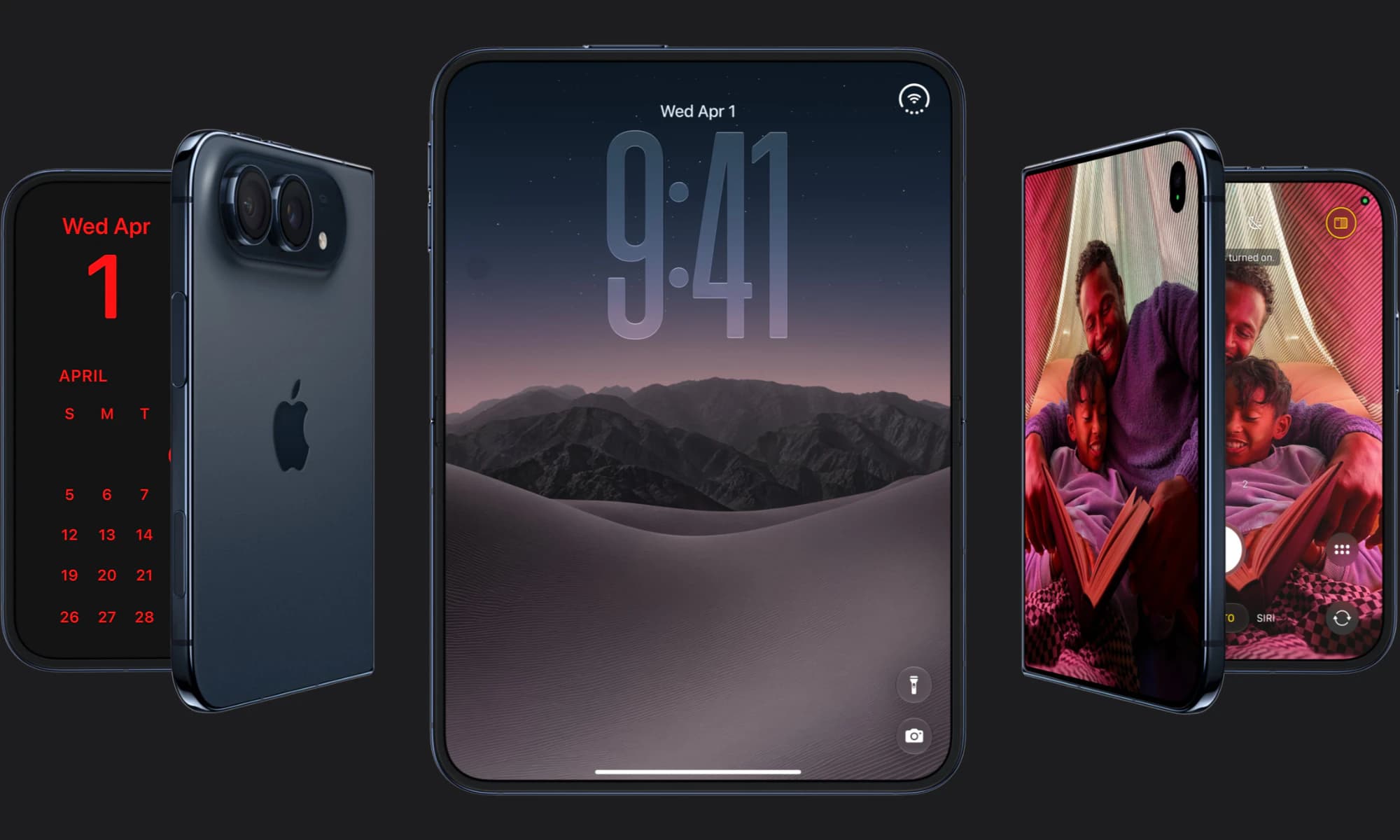
Apple has finally joined the foldable party after seven years, but was it right to wait?


