0330 123 4609
Menu
Packed with features and connectivity, smartphones are yet to become 100% sustainable. But you can choose better from what's out there.

Written by Sneha Kashyap, Content and PR Executive | Conscious Consumption and Tech Trends
Last updated on 27 March 2026

Smartphones are powerful, convenient, and deeply woven into our everyday lives. But as these pocket-sized computers evolve year after year, a growing question remains: are phones environmentally friendly or will they ever be?
The short answer is not yet. The longer answer, and the hopeful one, is that our choices can make smartphones far less harmful to the planet.
If the world of phone recycling feels too jargon-infused for you, this guide will help you make greener tech choices in your everyday life.
In recent years, smartphone marketing has put the spotlight on recycled materials used in devices, which was previously a secondary concern. However, if we look closely enough at upgrade cycles and phone usage, it’s an altogether different story. While certain models like the Pixel 9 have a lower carbon footprint, and manufacturers like Fairphone keep launching sustainable devices, the industry as a whole is far from environmentally friendly.
The problem isn’t just with smartphone manufacturing being heavily dependent on raw materials, which highlights their environmental impact. It’s with keeping their lifecycle deliberately short by encouraging frequent upgrades from consumers who are largely kept in the dark about what goes on behind the scenes.
One of the biggest challenges to smartphones being environmentally friendly is how often we are encouraged to replace them. Annual releases from major manufacturers such as Apple, Samsung, and Google are highly marketed to create a hype that newer always means better, even though there’s rarely any real innovation, something that’s starting to show in the iPhone.
Each upgrade costs the environment, so much so that we’d need 1.75 Earths to keep up with our rapid upgrade cycles. Thankfully, this has slowed down recently, as we saw in our year-in-review report.
By extending a phone’s lifespan from under 2 years to 4 years, we can reduce its associated carbon emissions by up to 40%. Keeping it for 5–7 years will drop it even further. Sadly, the industry is bent on telling you otherwise.
Planned obsolescence has been strategically employed to keep phones from being environmentally friendly. Software updates that slow older devices, difficult to replace batteries, and designs that prioritise thinness over durability such as the controversial iPhone Air, all reduce how long a phone remains usable.
High cost, restricted access to parts, and closed ecosystems such as Apple all keep us from repairing a broken phone, and replace it with a new one instead. As such, we are left with a backlog of old phones gathering dust in drawers.
From use of recycled materials such as fishing nets in Samsung phones to reporting carbon emissions in environmental reports, manufacturers have certainly been more forthcoming of late. Albeit small, there has been progress, but issues like overproduction and frequent upgrades still need to be addressed. And when terms like ‘eco-friendly design’ are dotted on press releases without a clear definition or standard, it can be hard for us, as consumers, to understand what these claims actually mean in practice.
Lack of transparency around what actually goes into the making of a smartphone makes it hard for us to hold manufacturers accountable and make informed decisions about the devices we’re paying big bucks for.
Young children work in the cobalt mines to source cobalt for smartphones. Source: SkyNews
At Compare and Recycle, we see first-hand how durable and repairable mobile phones really are. By analysing the proportion of broken versus working devices sold across different brands, we understand the true cost and complexity of repairs, from cracked screens and glass backs to internal components.
This insight puts us in a strong position to define what makes a smartphone genuinely sustainable, and to help you choose one. A sustainable smartphone is designed to minimise its lifetime carbon footprint through durability, repairability, upgradability, and recyclability, while being manufactured using recycled and responsibly sourced materials.
If you need to upgrade your phone, choosing a sustainable option isn’t complicated, but it does require you to rethink how you buy and use your tech.
A refurbished phone has all the same functionalities and appearance as a brand-new phone, the only difference is that it was pre-owned and has been refurbished to meet quality standards. Refurbished phones are barely distinguishable from the same model and they have a lower carbon footprint. Plus, they’re significantly cheaper than brand new phones.
Whether you choose a refurbished or a brand-new device, prioritise models that are repairable or upgradable. This may require a bit of extra research, but the long-term benefits make it well worth the effort.
A good place to start is iFixit, which offers a comprehensive list of mobile phones scored by repairability. The site also provides easy-to-follow DIY repair guides and toolkits, enabling users to fix their phones without specialist knowledge.
Since 2021, a repairability index for electronics has been mandatory, requiring manufacturers to clearly display and communicate this information to consumers. The legislation was later adopted in the UK, marking a positive step forward for the Right to Repair movement and its growing influence.
Image: Fairphone
Try to pick a model with lower capacity when upgrading as higher storage models require more components and generate higher emissions. Unless your storage is full, performance won’t be affected regardless of which capacity you choose. And if you really need a large memory, why not go for a phone with expandable storage? MicroSD cards may well be the next retro tech to make a comeback as per this year’s trends.
Several organisations have tackled the environmental impact of mobile phones by creating sustainability standards that assess a device’s entire lifecycle. One of the most prominent is EPEAT®, developed by the Global Electronics Council (GEC) in partnership with UL LLC, to help consumers identify greener electronics.
At the time of writing, 55 Apple, Samsung, and Google models hold an EPEAT® Gold rating. In our view, this undermines the value of the highest certification. Environmental responsibility should be the baseline, not the pinnacle, and the criteria must evolve to push manufacturers toward genuinely higher standards of sustainability.
While no brand is without flaws, some manufacturers are making progress by publishing detailed environmental reports and increasing their use of recycled materials. Transparency is a positive step, but sustainability standards should remain challenging, driving innovation rather than rewarding the status quo.
Using your smartphone more sustainably doesn’t mean you have to sacrifice performance or convenience; you just have to make smarter choices that will extend its lifespan, reduce waste, and lower its environmental impact. With a few simple habits, you can protect your device, save money, and cut down on unnecessary carbon emissions.
Tip 1: Protect it from day one
Invest in a durable protective case and screen protector to prevent cracks and scratches. Eco-friendly, plastic-free options such as the ones from Pela offer solid protection without harming the environment.
Tip 2: Insure against accidents
Even with toughened glass like Gorilla Glass Victus, drops can still lead to costly screen damage. Insurance can help you avoid unexpected repair costs and ensure access to professional repairs when needed.
Tip 3: Keep water damage at bay
If your phone isn’t fully waterproof, be extra cautious around water. Even brief immersion can permanently damage internal components.
Tip 4: Keep software up to date
Installing the latest software updates improves performance, security, and energy efficiency. Many manufacturers now offer extended OS support; Samsung’s Galaxy S24 series, for example, comes with up to seven years of updates, keeping phones in circulation longer.
Tip 5: Prevent OLED screen burn-in
OLED displays can suffer from burn-in due to uneven pixel usage. To reduce the risk, enable auto-brightness, set a screen timeout, avoid static images, rotate wallpapers occasionally, and use dark mode or darker keyboards where possible.
Tip 6: Charge smarter
Use low-energy chargers to cut energy consumption, reduce emissions, and lower your electricity bills. If you’re a heavy user, you should try to limit power-hungry activities like HDR gaming or background apps, which accelerate battery wear.
Tip 7: Take digital detox days
The more we use our phones, the more energy is consumed by data centres powering messages, videos, and social media. Reducing screen time, even occasionally, can help lower your digital carbon footprint.
Tip 8: Declutter regularly
We take far more photos than we ever use so much so we’re a nation of digital hoarders. Clearing out unused images, videos, and apps every few months will free up storage and keep your phone running efficiently.
Your old phone should never end up in the bin. Even damaged devices can often be traded in, refurbished, reused, or broken down for valuable parts, helping to keep materials in circulation. If reuse isn’t possible, responsible recycling ensures metals and components are recovered safely. You can also upcycle an old phone into something new such as a security camera, baby monitor, or smart home controller, thereby extending its life and reducing electronic waste.
Smartphones aren’t environmentally-friendly yet, but they can be used more responsibly. Going green isn't an open book. It’s simply a matter of educating yourself on your practices and your digital product choices and looking beyond 'the green lustre'.
We know it can be overwhelming to think about how your personal carbon footprint contributes to global warming. But the truth is, you can take steps to chip away at your impact on the planet. We all have to start somewhere when it comes to upholding our end of the environmental bargain, but we should always be looking for better alternatives and put a little thought behind every upgrade contract signed or purchase decision we make.
Apple has finally joined the foldable party after seven years, but was it right to wait?

iOS 27 is here! Check out key features and whether your iPhone is compatible.

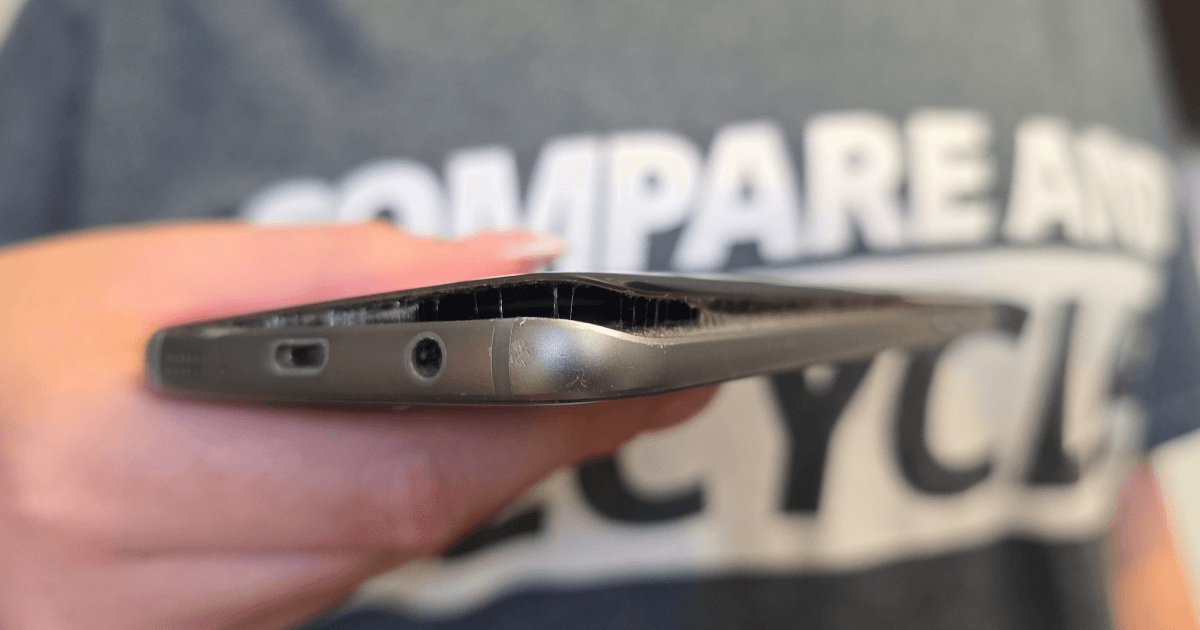
Storing old phones isn’t as harmless as it seems. Here’s why it’s worth digging out your old phone to avoid a hazardous situation.